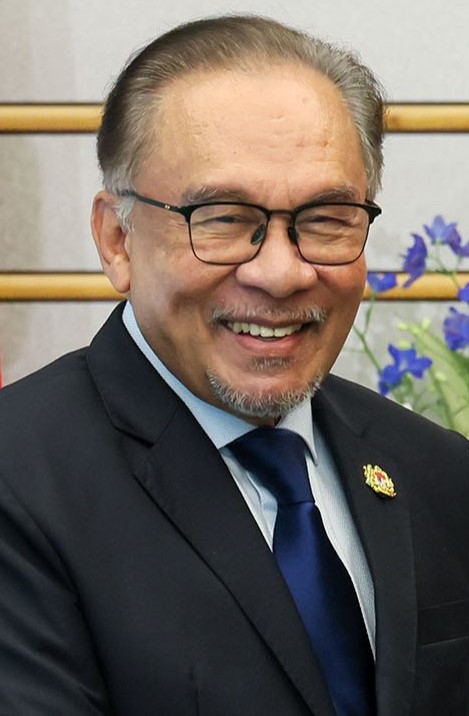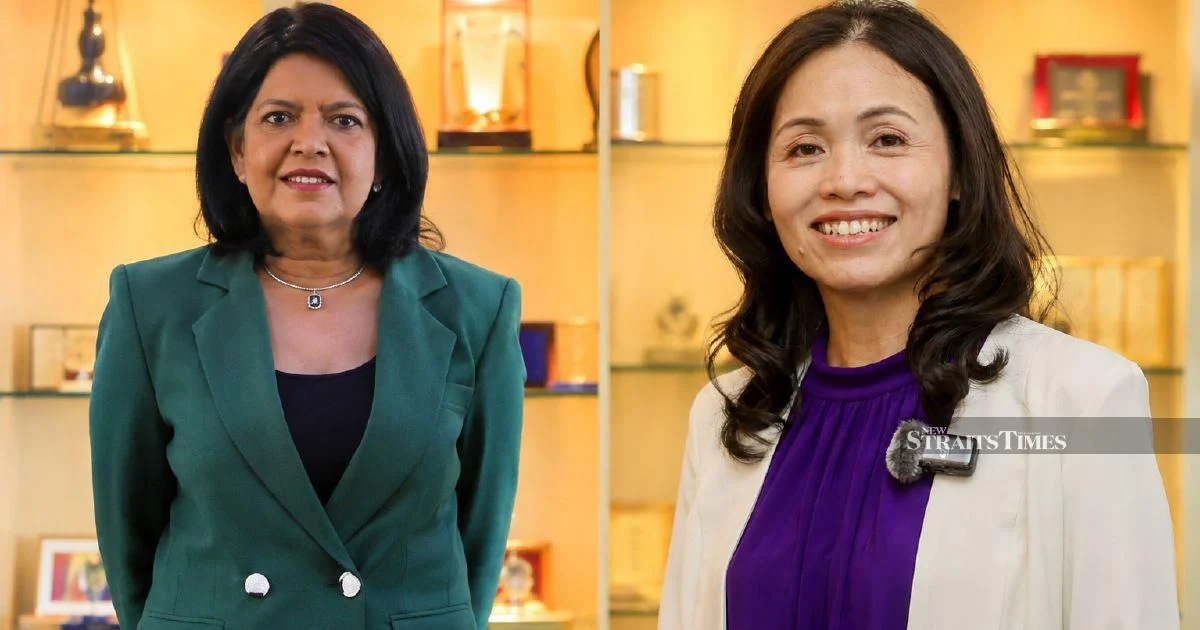
Deputy Communications Minister Teo Nie Ching has expressed confidence in former Federal Court judge Tan Sri Nallini Pathmanathan's capability to lead the Malaysian Media Council, emphasizing the judge's strong judicial legacy on matters of press freedom and constitutional rights. The endorsement signals official backing for Nallini's appointment to helm the newly established media regulatory body, a position that carries significant responsibility in overseeing the country's evolving media landscape.
Nallini's extensive experience on the Federal Court bench positions her as a figure with deep understanding of constitutional law and the delicate balance between media freedom and other competing interests. During her judicial tenure, she has developed a notable track record of decisions that navigated complex questions around press liberties, making her background particularly relevant to an institution tasked with maintaining standards and accountability in Malaysian journalism.
The Malaysian Media Council represents an institutional shift in how the country approaches media governance, moving toward a model that emphasizes industry self-regulation and professional standards rather than purely government-directed oversight. Nallini's appointment reflects a deliberate choice to place a respected jurist with established credibility in constitutional matters at the helm of this transitional body. Her judicial philosophy, demonstrated through bench decisions over many years, has consistently engaged with fundamental rights questions that intersect directly with press operations.
Press freedom remains a contested and evolving area within Malaysia's legal and political landscape. The country has grappled with questions about media regulation, defamation law, and the boundaries of acceptable criticism of public institutions and officials. Nallini's background suggests she brings a balanced perspective to these tensions, having navigated similar questions from the bench where she needed to weigh competing constitutional claims without obvious ideological direction.
Teo's public endorsement carries weight within government circles, signaling that communications and media policy leadership views Nallini's appointment favourably and sees her as aligned with strategic objectives for media engagement. The deputy minister's specific mention of press freedom achievements suggests the government hopes the council will operate with credibility and independence that an externally respected judicial figure might confer, potentially enhancing the institution's legitimacy among media practitioners and civil society observers.
For Malaysian journalists and media organizations, Nallini's appointment may carry both practical and symbolic significance. Her judicial background means she understands the constraints and requirements of the court system, potentially providing valuable perspective on how media council decisions interact with ongoing litigation and constitutional questions. However, her government connections through this appointment may also raise questions among press freedom advocates about the council's genuine independence from official influence.
Regionally, Malaysia's media governance choices remain closely watched by other Southeast Asian nations navigating similar questions about regulation, freedom, and the role of government in media affairs. Appointing a respected jurist to lead a new council positions the country within broader conversations about how democracies in the region can maintain press freedom while addressing concerns about misinformation, defamation, and responsible journalism practices.
The timing of this appointment coincides with broader global conversations about media credibility and regulation. Many countries have explored moving toward media councils or similar self-regulatory bodies, seeking alternatives to either purely government-controlled media systems or entirely unregulated private media sectors. Nallini's leadership could significantly influence whether Malaysia's model becomes a reference point for other nations experimenting with similar institutional innovations.
Nallini's judicial philosophy, as demonstrated through her court decisions, suggests someone comfortable with nuanced legal interpretation rather than dogmatic application of rules. This approach may prove essential for a media council attempting to develop guidelines and standards that command respect across a diverse media industry while maintaining principled commitment to press freedom and constitutional rights. Her ability to command respect from multiple constituencies—journalists, civil society, government officials, and the business community—will likely be tested early in her tenure.
The appointment also reflects Malaysia's ongoing conversation about institutional credibility and public trust. By selecting someone with established reputation in constitutional law rather than a political operative or career bureaucrat, the government signals intent to distance the council from perceptions of partisan control. Whether this strategy successfully rebuilds confidence in media regulation institutions will significantly influence public and professional acceptance of the council's work.
For the broader media ecosystem, Nallini's leadership could help shape how Malaysian news organizations approach ethical standards, editorial independence, and audience engagement during a period of significant technological and economic transformation in journalism. Her judicial background means she understands precedent, legal argument, and reasoned decision-making—approaches that could enhance the council's credibility when making difficult judgment calls about media conduct and standards.
The success of this appointment ultimately depends on how Nallini navigates the inherent tensions within media council work: establishing professional standards while protecting press freedom, addressing legitimate concerns about misinformation while resisting official pressure, and building consensus among diverse stakeholders with competing interests. Her judicial temperament and constitutional knowledge provide a foundation, but the council's actual influence will depend on media industry cooperation, government restraint, and public acceptance of its legitimacy.