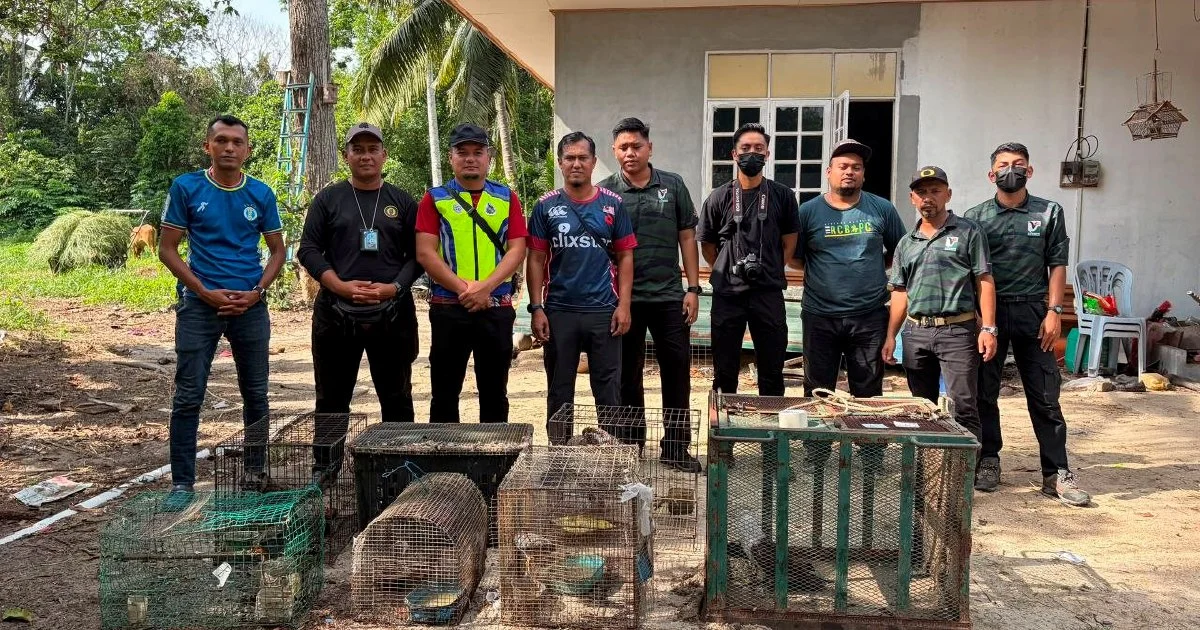
An 18-year-old male was taken into custody in Tumpat, Kelantan, after enforcement officers discovered he was harbouring four different species of protected wildlife with a combined market value of RM48,500. The apprehension followed a targeted raid conducted in the district, marking another enforcement action in Malaysia's ongoing battle against illegal wildlife trafficking and possession.
The seizure underscores a persistent problem affecting Malaysia's biodiversity conservation efforts. Protected wildlife trafficking remains a significant concern across the country, with individuals of all ages involved in the illicit trade. The involvement of a teenager in this case reflects broader patterns observed by conservation authorities, who have noted that younger offenders are increasingly being ensnared by what can appear as a lucrative underground trade, often without fully grasping the legal consequences or environmental impact of their actions.
The four species recovered during the operation represent Malaysia's commitment to enforcing wildlife protection legislation. The country maintains strict regulations governing the possession, trade, and transport of protected fauna, with penalties ranging from substantial fines to imprisonment depending on the nature of the violation. These legal frameworks exist to safeguard Malaysia's extraordinary biodiversity, which includes numerous endemic and endangered species found nowhere else on Earth.
Kelantan has frequently been at the centre of wildlife enforcement operations, reflecting the state's rich natural habitats and the corresponding pressure from illegal collectors and traders. The region's forests and wetlands support diverse populations of protected animals, making it an attractive target for those seeking to profit from illegal trafficking networks. Enforcement agencies have increased their vigilance in the state, conducting regular operations to intercept contraband and apprehend offenders before wildlife reaches black market distribution channels.
The method of discovery—through a direct raid rather than routine inspection—suggests that authorities may have been acting on intelligence gathered from previous investigations or tips from the public. Such targeted operations are typically more effective than passive enforcement approaches, allowing officers to catch offenders with evidence in hand and prevent animals from being transported further into the supply chain. The success of this operation demonstrates the value of intelligence-led policing in wildlife crime prevention.
The RM48,500 valuation placed on the confiscated animals reflects what traffickers believe they can command in illegal markets. These prices often represent what unscrupulous buyers—both domestic and international—are willing to pay for rare or difficult-to-obtain specimens. Understanding the economic incentives driving wildlife crime is crucial for developing comprehensive enforcement strategies that go beyond simply apprehending individual offenders to dismantling the networks that make such trade profitable.
For Malaysian wildlife conservation, each enforcement action carries implications beyond the immediate case. Successful prosecutions serve as deterrents and contribute to building case law that strengthens the legal foundation for protecting endangered species. Documentation of these operations also provides valuable data for conservation authorities to understand trafficking patterns, identify emerging threats to specific species, and allocate resources more effectively.
The case highlights why public engagement remains essential to conservation efforts. Many wildlife trafficking incidents are only discovered because members of the community report suspicious activity to authorities. Campaigns promoting awareness of protected species and the consequences of illegal possession have gradually increased reporting rates, creating additional layers of enforcement beyond what official agencies alone can achieve.
For Southeast Asia more broadly, Malaysia's enforcement actions are part of a regional challenge requiring coordinated responses. Protected wildlife trafficking often crosses borders, with animals caught in Malaysia potentially destined for international markets in neighbouring countries or beyond. Regional cooperation mechanisms and information-sharing between enforcement agencies have become increasingly important as criminals develop more sophisticated techniques to move contraband across jurisdictions.
The arrest also prompts reflection on rehabilitation and prevention pathways for young offenders. While prosecution is necessary, authorities increasingly recognize that younger individuals involved in wildlife crime may benefit from education and alternative sentencing options that address the root causes—whether economic desperation, lack of awareness, or peer pressure—that drew them into illegal activities. Balancing accountability with intervention represents an evolving challenge for Malaysia's justice system.
Investigations into the teenager's case will likely extend beyond the initial arrest, as authorities seek to identify where the animals originated, who supplied them, and where they were destined. These connections often lead to larger trafficking networks and enable enforcement agencies to target the operations that drive demand for protected wildlife. Each case presents an opportunity to understand and disrupt the systems that make illegal wildlife trade economically attractive to participants.
As Malaysia continues developing its enforcement capacity and legal frameworks, cases such as this serve important functions in demonstrating commitment to conservation and wildlife protection. The teenager's apprehension, while addressing one individual instance of wildlife crime, contributes to the broader project of safeguarding Malaysia's irreplaceable natural heritage for future generations and maintaining the ecological integrity that supports the nation's biodiversity.

