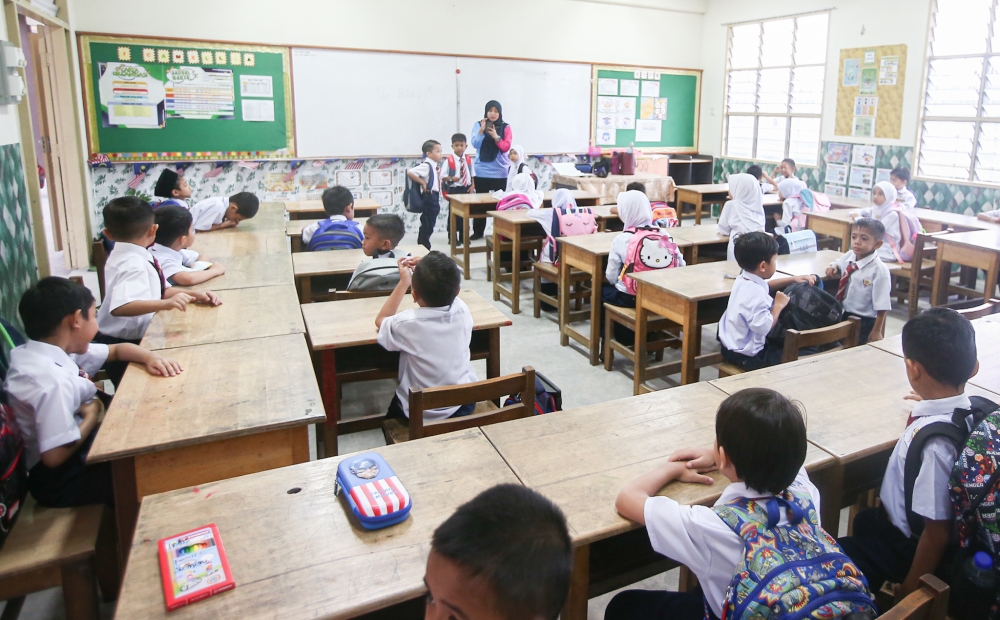
The National Union of the Teaching Profession (NUTP) has thrown its weight behind proposed legislation designed to shield educators from legal consequences and public vilification when enforcing classroom discipline. The union's endorsement of the Teachers' Protection Act underscores a deepening anxiety among Malaysian educators who report increasingly avoiding corrective measures for fear of facing lawsuits, social media backlash, and damage to their professional reputation.
This protective measure arrives amid a documented pattern where parents and guardians have resorted to legal action against teachers over disciplinary incidents, creating a chilling effect on the exercise of pedagogical authority. The NUTP argues that when educators hesitate to address misbehaviour out of self-preservation, the entire educational environment suffers, with well-behaved students losing out on a properly managed classroom and problematic conduct going unchecked. The union's position reflects growing sentiment within Malaysian schools that the balance between parental rights and teacher autonomy has tilted dangerously toward litigation.
The phenomenon of social media campaigns targeting individual educators has compounded the problem beyond courtrooms. Parents and advocacy groups now routinely post videos, images, and detailed accounts of disciplinary moments online, frequently without context or the educator's perspective. These posts accumulate thousands of shares and comments within hours, transforming isolated incidents into character assassination. Teachers describe the experience as professionally catastrophic—some have faced public calls for their dismissal, harassment of their families, and lost employment opportunities elsewhere based on viral moments taken out of context.
The proposed legislation would establish clearer legal boundaries around what constitutes reasonable discipline and establish presumptive protections for teachers acting within professional guidelines. Under such frameworks, educators could exercise corrective authority without constantly calculating legal risk. The NUTP contends that protection against frivolous lawsuits and coordinated online campaigns would restore confidence to the profession and allow teachers to focus on educational outcomes rather than defensive posturing.
Malaysian educators occupy an unusual position in the hierarchy of school authority. While officially empowered to maintain discipline through the Education Act, teachers increasingly operate under informal constraints imposed by social media scrutiny and parental activism. This gap between formal authority and practical freedom has created a paradoxical situation where discipline remains technically permissible but functionally discouraged. The NUTP's backing of protective legislation acknowledges this reality and seeks to realign formal powers with actual capacity to exercise them.
The timing of this push reflects broader regional trends across Southeast Asia, where education systems grapple with rapid social media adoption, changing parental expectations, and tensions between traditional classroom management and contemporary notions of student rights. Countries like Singapore and Indonesia have similarly wrestled with establishing frameworks that protect educators while respecting legitimate concerns about excessive punishment. Malaysia's proposed legislation could potentially influence how neighbouring nations approach the same problem.
Implementing such protections raises legitimate questions about safeguards against genuinely abusive behaviour. The NUTP has indicated support for provisions that distinguish between reasonable discipline and harmful excess, suggesting any protection framework should include clear standards of acceptable conduct. This nuance is essential—effective legislation must protect good-faith educators without shielding misconduct. The challenge lies in defining that boundary clearly enough to guide both teachers and parents.
School administrators have reported increasing difficulty in recruiting and retaining teachers, with anecdotal evidence suggesting that legal liability concerns and social media risk influence career decisions among young educators. If significant numbers of competent professionals exit or avoid the profession due to these pressures, Malaysian schools face a talent drain with long-term consequences for educational quality. Protection legislation could address this indirectly by removing one major occupational hazard.
Parental involvement in education remains essential and generally positive, yet the current environment has created adversarial dynamics where schools and families operate in mutual suspicion. Teachers worry about legal consequences while parents worry about their children's safety and treatment. This polarization serves neither group well. A Teachers' Protection Act, by clarifying boundaries and reducing litigation fears, could paradoxically improve home-school relationships by reducing defensive postures on both sides.
The passage of such legislation would likely remain contentious, as children's advocates argue that expanded teacher protections could enable abuse. However, the NUTP's backing signals that Malaysia's teaching profession views current conditions as unsustainable. Without legislative intervention, the union warns that the profession will continue losing educators unwilling to operate under constant surveillance and legal jeopardy, fundamentally altering classroom dynamics and educational effectiveness across Malaysian schools.

