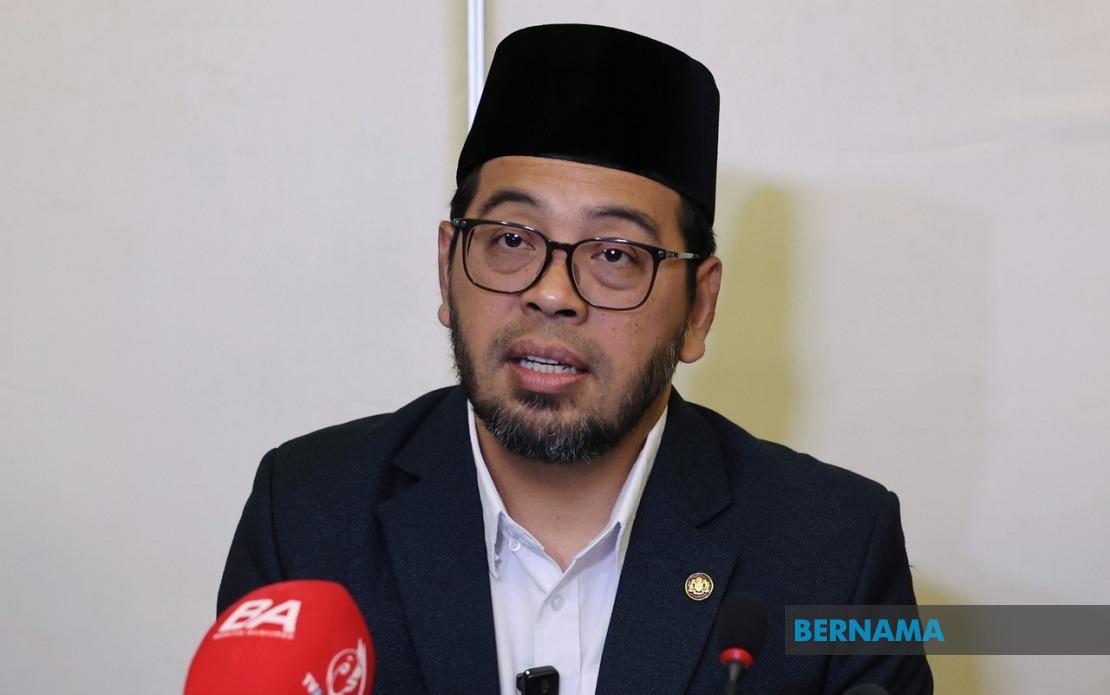
Tabung Haji has emerged from a comprehensive institutional recovery process in substantially improved condition, according to Religious Affairs Minister Dr Zulkifli Hasan, who outlined the progress during a special parliamentary briefing on Wednesday. The announcement marks a significant moment in the management of Malaysia's pilgrimage fund, which handles the savings of millions of Malaysians planning journeys to Mecca.
When the MADANI Government assumed office at the conclusion of 2022, Tabung Haji faced a complex array of inherited difficulties stemming from its portfolio of underperforming and problematic assets accumulated since 2018. Rather than rushing into hasty decisions, the administration determined that allowing the institution sufficient latitude to undertake necessary restructuring would yield more sustainable outcomes. The patience of this approach has now yielded tangible results that officials believe warrant public confidence in the institution's trajectory.
The strengthened position of Tabung Haji reflects coordinated efforts across multiple stakeholder groups over an intensive recovery period. The new management team, working alongside various appointed parties, implemented sweeping changes to align operations with contemporary standards and restore the organisation's financial resilience. Recognition of these achievements came through five World's Best Haj Management Awards across four consecutive years, a distinction that underscores the transformation from the previous period of weakness and mismanagement.
The government's approach extended beyond internal restructuring to encompassing transparency and accountability measures. On July 29, the Cabinet unanimously authorised the release of a 211-page Royal Commission of Inquiry report that had been completed since August 2022. This decision represented a deliberate commitment to public disclosure rather than continued confidentiality. The RCI, chaired by former Chief Justice Tun Mohamed Raus Sharif, had conducted a comprehensive examination of Tabung Haji's management and operational practices between 2014 and 2020, documenting systemic weaknesses and vulnerabilities that had developed during that period.
Following the report's public release, the Malaysian Anti-Corruption Commission and police initiated immediate investigations into the documented findings, with several individuals linked to fund misappropriation being detained. This enforcement response demonstrates the government and law enforcement agencies' determination that accountability will be pursued without favour or exception. The action carries particular weight given the sacred nature of Tabung Haji funds and their role in facilitating pilgrimage to Islam's holiest sites, a responsibility that demands the highest standards of stewardship.
The RCI's work reflected the complexity and significance of the institution. The inquiry panel comprised five specialists spanning public administration, banking, finance, Islamic law, and accounting expertise, selected by the previous administration in early 2022. Their findings identified 25 areas requiring improvement, of which three-quarters had been implemented by late July, with remaining recommendations progressing toward full realisation. This implementation rate reflects sustained focus on translating inquiry recommendations into operational reality.
For ordinary Malaysian families, Tabung Haji represents far more than a financial investment vehicle. Teachers setting aside portions of their salaries, small traders saving gradually from profits, retired civil servants, agricultural workers, and taxi drivers all entrust their money to the institution based on religious conviction and personal aspiration. These deposits accumulate over years and sometimes decades as individuals work toward fulfilling the hajj pillar of Islam. The betrayal of such sacred trust through misappropriation or mismanagement carries profound spiritual and financial consequences that extend well beyond conventional institutional failures.
Zulkifli's statements underscore the philosophical framework guiding the government's handling of the Tabung Haji situation. The decision to make the RCI report public and subject to parliamentary debate reflects confidence that transparency serves the institution's interests better than continued concealment. By acknowledging past problems, demonstrating corrective action, and pursuing criminal accountability, the administration believes it reinforces rather than undermines public confidence in Tabung Haji's future reliability.
The Royal Commission of Inquiry itself represented a deliberate investigative approach distinct from ordinary audits or administrative reviews. By charging a specially appointed panel with independent authority, the previous government created institutional distance between the investigators and the investigative subject, enhancing the credibility of findings. This structure proved valuable in establishing factual foundations for the subsequent policy decisions and enforcement actions undertaken by the current administration.
The timing of these developments carries regional significance beyond Malaysia's borders. As other Muslim-majority nations in Southeast Asia consider their own approaches to pilgrimage financing and religious endowment management, the Malaysian experience offers instructive lessons regarding institutional vulnerability and recovery pathways. Tabung Haji's restoration demonstrates that faith-based financial institutions can acknowledge historical failures and emerge strengthened through decisive governance changes.
Moving forward, the government has framed its engagement with Tabung Haji around three interconnected commitments: restoring depositor confidence through transparent operations, pursuing judicial accountability for past misconduct, and implementing institutional reforms that prevent recurrence of documented weaknesses. These elements represent a comprehensive approach that addresses simultaneously the institution's operational capacity, the integrity of its leadership, and the regulatory frameworks governing its activities.

