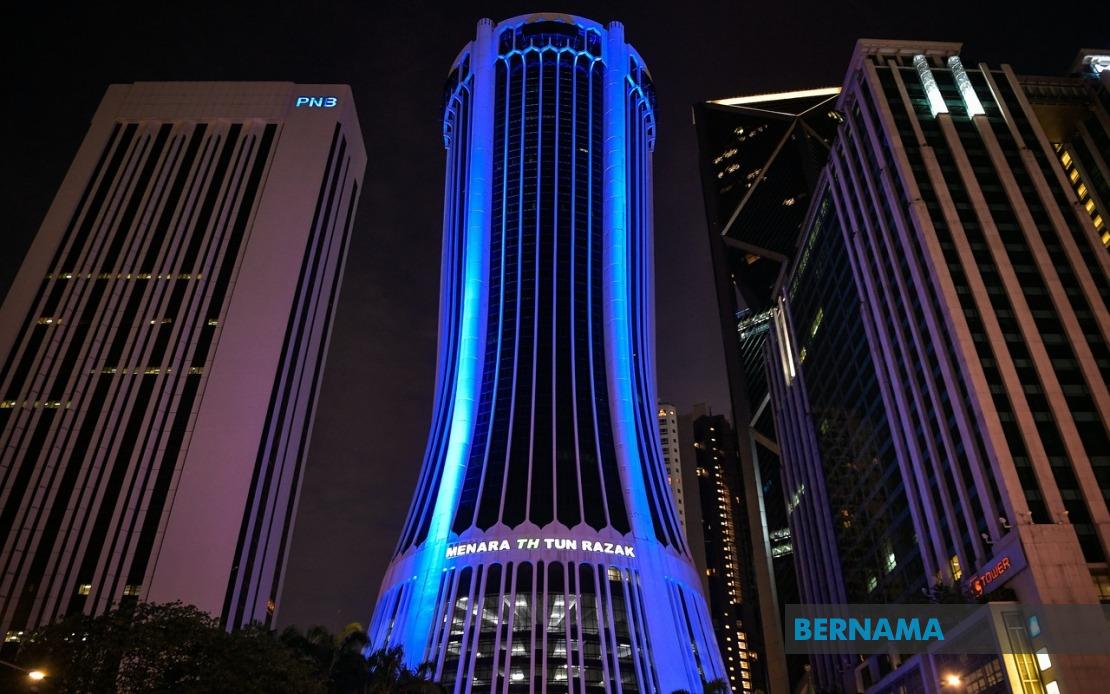
The governance crisis at Lembaga Tabung Haji (TH) has prompted calls from policy experts for the institution to undertake a comprehensive communications strategy that leverages modern digital platforms to reconnect with its depositor base. With the Royal Commission of Inquiry report now public, TH faces a critical window to demonstrate its commitment to reform and rebuild the confidence of Malaysians who have entrusted their savings to the organisation for the pilgrimage to Mecca.
Dr Mohd Kamarul Amree Mohd Sarkam, a Senior Lecturer at the Academy of Islamic Defence Studies at Universiti Pertahanan Nasional Malaysia (UPNM), emphasises that consistent, transparent messaging is essential to TH's recovery. The scale of the challenge is significant: most of TH's depositors fall within the millennial and Generation Z demographics, cohorts that predominantly consume news and information through social media channels and digital platforms. The traditional corporate communication approach will prove ineffective without a fundamental shift in how TH engages its audience.
Mohd Kamarul Amree argues that TH must move beyond defensive posturing to actively showcase what the institution has achieved, particularly in the domain of hajj management. Malaysia's hajj operations have received commendation from Saudi Arabian authorities, a distinction that reflects operational excellence and proper stewardship. This narrative, when effectively communicated, can serve as a counterweight to the institutional weaknesses documented in the RCI report and help depositors understand that problems, while serious, exist alongside genuine competencies that warrant confidence going forward.
The governance overhaul required extends beyond communications to the fundamental composition of TH's leadership. Dr Mohd Kamarul Amree advocates for the appointment of professionals and business experts with demonstrated track records in management and financial administration, rather than individuals selected primarily for political affiliations. Removing the influence of partisan politics from TH's top management positions would represent a watershed moment, signalling to the public that the institution prioritises professional competence over ideological loyalty or political patronage. This shift would require courage from political leaders willing to accept reduced influence over TH's operations in exchange for restored institutional credibility.
Implementing the 25 recommendations set forth in the RCI report constitutes the foundation upon which all other reforms must be built. These recommendations, the product of a thorough investigation spanning the period from 2014 to 2020, address systemic weaknesses that eroded proper governance and created opportunities for mismanagement. Equally critical is the proposed amendment to the TH Act, which should be pursued urgently. Additionally, placing TH's financial fund management directly under the purview of the Minister of Finance would create clearer lines of accountability and reduce the scope for autonomous decision-making that contributed to past problems.
Dr Mohd Afzanizam Abdul Rashid, chief economist at Bank Muamalat Malaysia Bhd, adds a complementary perspective by stressing the importance of on-the-ground engagement with depositors. The notion of conducting town hall sessions across districts represents a practical methodology for disseminating reform information directly to communities, allowing for two-way dialogue and addressing specific concerns that may vary by region or demographic. These gatherings would serve the dual purpose of informing depositors while simultaneously demonstrating institutional accessibility and willingness to be held accountable.
A particular challenge TH faces stems from public confusion regarding the timeline of the RCI report's completion. The document was finalised in 2022 but only made public on July 29 of this year, a three-year gap that has created ambiguity in the public mind. This temporal disconnect requires clarification: depositors need to understand that the weaknesses identified occurred within a defined historical period and that the institution has since begun the process of rectification. Misinformation and confusion, as Dr Mohd Afzanizam notes, pose a direct threat to depositor confidence and must be addressed with priority and precision.
The broader context for TH's reform efforts involves the government's stated commitment to strengthening institutional integrity and eradicating corruption across the public sector. TH's experience, while painful, provides valuable lessons for other institutions about the dangers of weak governance and inadequate oversight. The RCI process itself demonstrates the state's capacity to investigate institutional dysfunction thoroughly and recommend meaningful improvements. How effectively TH implements these recommendations will signal to other agencies and the public whether such scrutiny translates into genuine systemic change or merely performative gestures.
For Malaysian depositors, particularly the younger cohorts who represent TH's demographic future, the institution's response to the RCI findings will shape their willingness to participate in the hajj savings scheme. Trust, once fractured, requires sustained effort to restore. Digital communication strategies, when executed with authenticity and consistency, can narrow the gap between institutional messaging and public perception. The combination of reformed governance structures, professional management, transparent financial reporting, and genuine engagement with depositors offers TH a viable pathway forward.
The stakes extend beyond TH itself to the credibility of Malaysia's financial institutions more broadly. International investors and domestic citizens alike monitor how state-linked entities respond to governance crises. TH's success or failure in implementing reforms will influence perceptions of institutional accountability throughout the Malaysian financial system. The window for demonstrating genuine commitment to change is limited; depositors are watching, and their choices will ultimately determine whether TH can rebuild into an institution worthy of the trust Malaysians wish to place in it.

