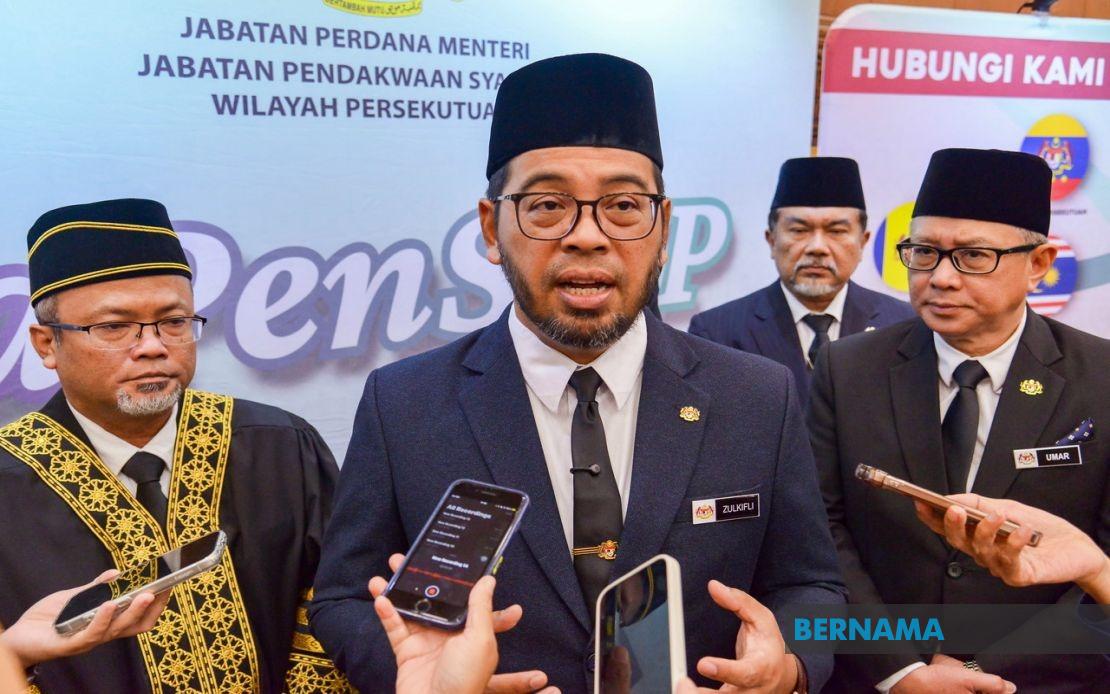
The proposal to establish a Syariah Judges' Remuneration Act has progressed to its concluding phase, with key documentation nearly ready for formal consideration by government authorities. Minister in the Prime Minister's Department (Religious Affairs) Dr Zulkifli Hasan announced this development while addressing the second Malaysia Syariah Prosecutors Conference in Putrajaya on July 15, indicating that substantive groundwork has been completed but refinement remains essential before the initiative can advance further through the bureaucratic process.
The Department of Syariah Judiciary Malaysia (JKSM) has been coordinating an intensive study examining the multifaceted implications of the proposed remuneration framework. This examination extends beyond simple salary structures, encompassing financial viability, administrative feasibility, and alignment with existing judicial frameworks across Malaysia's diverse state systems. The collaborative approach involves ongoing dialogue with relevant government bodies and stakeholders invested in strengthening the Islamic judicial system.
According to Dr Zulkifli, the preliminary documents have already been drafted and are undergoing final refinement. Officials recognise that implementing such legislation requires meticulous preparation given the significant budgetary commitments and institutional changes involved. The minister emphasised that additional feedback from engaged parties continues to shape the proposal, reflecting the government's commitment to comprehensive consultation before formalisation.
This initiative directly responds to Prime Minister Datuk Seri Anwar Ibrahim's 2024 commitment to expedite implementation of the act, which aims to enhance the professional standing and compensation of Syariah Court judges nationwide. Improving judicial remuneration represents a strategic effort to attract and retain qualified legal professionals within the Islamic court system, thereby strengthening the institution's capacity and credibility.
Parallel to the judges' remuneration proposal, Dr Zulkifli revealed that detailed planning for establishing a dedicated Syariah Prosecution Department (JPSM) is simultaneously advancing. This separate but complementary initiative remains at the policy refinement stage, with officials preparing comprehensive documentation for eventual Cabinet presentation. Creating a specialised prosecution body would mark a significant structural development within Malaysia's Islamic legal framework.
Engagement with Malaysia's 13 state governments has formed a cornerstone of the refinement process for both proposals. Dr Zulkifli stressed that state perspectives are actively incorporated into policy formulation, reflecting the federal nature of Malaysia's constitutional arrangement wherein Islamic law falls substantially within state jurisdiction. This collaborative federalism approach ensures that initiatives respect regional variations while maintaining national coherence.
The minister characterised these developments as collective endeavours rather than centralised impositions, emphasising JKSM's coordination role alongside genuine partnership with state administrations. Such inclusive methodology typically strengthens implementation prospects by building consensus and ensuring that practical concerns are identified and addressed during the planning phase rather than creating difficulties during execution.
The proposal's progression carries particular significance for Malaysian Islamic institutions at a time when questions about judicial efficiency and professional standards remain relevant public concerns. Adequate remuneration for Syariah judges could facilitate recruitment of highly qualified candidates, potentially elevating the quality of judicial reasoning and case management within the Islamic court system serving Malaysia's Muslim majority population.
Regional observers note that Malaysia's systematic approach to modernising Islamic judicial institutions reflects broader Southeast Asian trends toward professionalising religious legal systems. Countries throughout the region grapple with similar challenges of ensuring that Islamic courts command sufficient resources and attract capable personnel while maintaining institutional independence and public confidence.
The timeline for Cabinet presentation remains unspecified, though Dr Zulkifli's language suggests the government views both proposals as important priorities within its religious affairs portfolio. Securing Cabinet approval would constitute the next significant milestone, potentially opening pathways toward formal parliamentary consideration if the measures require legislative changes.
Stakeholder engagement will likely continue intensifying as documents move toward finalisation, with JKSM presumably soliciting additional perspectives from judicial associations, state legal officers, financial authorities, and civil service bodies responsible for implementation. Such comprehensive consultation, though potentially time-consuming, establishes firmer foundations for sustainable institutional reform.
The advancement of these interconnected proposals demonstrates the government's recognition that strengthening Islamic legal institutions requires systematic attention to structural, financial, and human resource dimensions. Completing both the judges' remuneration framework and the prosecution department represents an integrated approach to elevating institutional capabilities across Malaysia's Syariah judiciary.

