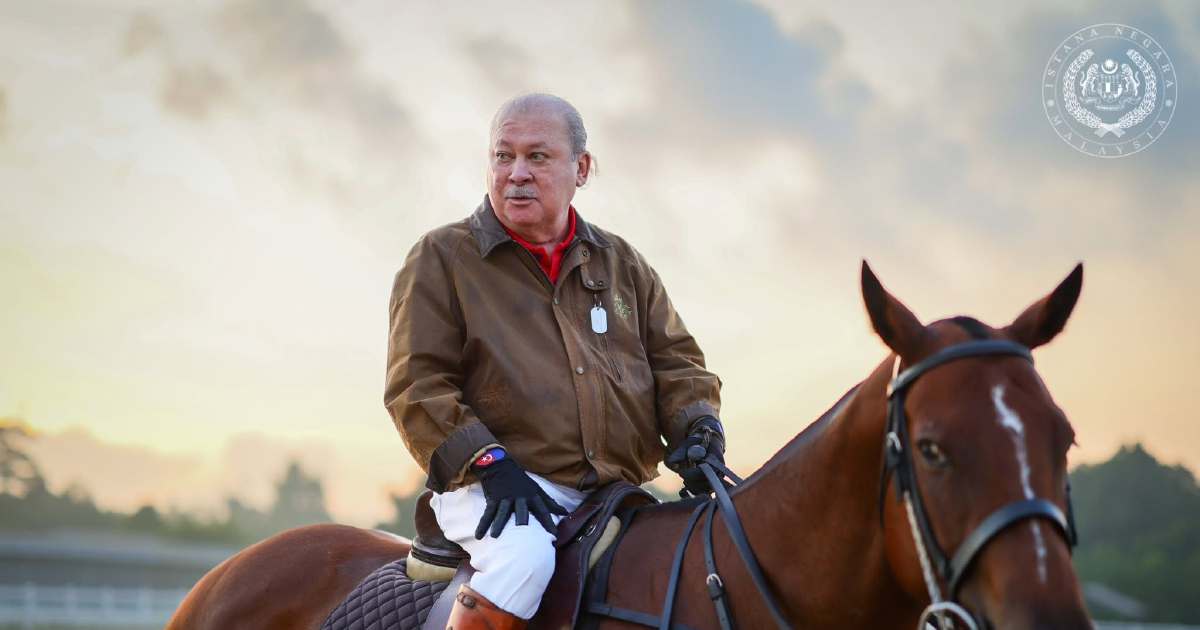
His Majesty Sultan Ibrahim, King of Malaysia, demonstrated his continued dedication to personal fitness by engaging in his regular morning horse riding session at the Royal Johor Polo Club located within the Istana Pasir Pelangi grounds in Johor Baru. The sovereign maintained a calm and measured pace throughout the outing, reflecting the controlled approach he has adopted towards his equestrian activities.
The Royal Johor Polo Club serves as a significant venue for the monarchy's engagement with traditional sporting pursuits deeply rooted in Malaysian and international royal culture. Polo and equestrian activities have long held prominence within the royal household, representing both a leisure pursuit and a connection to classical equestrian traditions practised across Commonwealth nations and beyond. The Istana Pasir Pelangi location provides an appropriately secure and formal setting for such royal activities while maintaining the grounds' historical significance as a royal residence.
Sultan Ibrahim's commitment to regular physical activity underscores the importance placed on personal wellness within the royal institution. Maintaining structured fitness routines has become increasingly recognised as essential for public figures navigating demanding ceremonial and administrative responsibilities. For a reigning monarch, the visibility of such health-conscious practices carries symbolic weight, projecting an image of vigour and dedication to duty during a period when Malaysia continues to navigate complex domestic and regional challenges.
The continuation of morning horse riding routines demonstrates the King's preference for traditional recreational activities over more contemporary fitness methods. Equestrian pursuits require considerable physical exertion, encompassing cardiovascular endurance, muscular strength, and balance—all critical components of comprehensive wellness programmes. The calm, relaxed manner in which the session was conducted suggests an approach prioritising sustainable long-term fitness rather than intensive training regimens, potentially serving as a broader statement about measured governance and deliberate decision-making.
Johor, as the location for this regular activity, holds particular significance given Sultan Ibrahim's historical residence and governance role within the state before his elevation to the federal throne. The Royal Johor Polo Club represents not merely a recreational facility but a tangible connection between the King and his home state, embodying continuity with his established personal practices despite his assumption of higher constitutional responsibilities. The maintenance of such routines across different roles reflects an individual committed to consistency and stability in personal habits.
The public acknowledgement of the King's morning routine serves a diplomatic function within Malaysian media and public discourse. Transparency regarding the sovereign's health and activity levels contributes to public confidence in the institution's vitality and the leadership's fitness for office. In contemporary governance, particularly within developing democracies and constitutional monarchies, public health visibility has become an implicit component of leadership legitimacy and institutional credibility.
For Malaysian and Southeast Asian readers, the King's equestrian pursuits connect to broader regional narratives about maintaining traditional practices within modernising societies. Polo and horse riding represent cultural continuities that link contemporary Malaysia to historical traditions and international protocols. The deliberate preservation of such customs within the royal household signals cultural stability amid rapid social and technological change—a reassuring message for citizens navigating unprecedented challenges and transformations in the digital age.
The structured nature of morning fitness routines undertaken by heads of state carries implications for national discourse surrounding wellness and healthy living. Royal examples, particularly visible ones like equestrian activities, can indirectly shape public attitudes towards regular exercise and outdoor recreational pursuits. As Malaysia grapples with increasing health concerns including obesity and lifestyle diseases, the visible commitment of its sovereign to consistent physical activity offers subtle cultural reinforcement of wellness values without explicit public health campaigns.
The relaxed manner maintained during these sessions suggests an approach emphasising enjoyment and sustainability over performance or competition. This philosophical orientation towards recreational fitness may reflect broader attitudes the King brings to governance—prioritising steady, measured progress over dramatic transformations or radical departures from established practice. The visible composure and control demonstrated during equestrian activities potentially communicate important messages about institutional stability and the maintenance of constitutional traditions during periods of significant national transition.