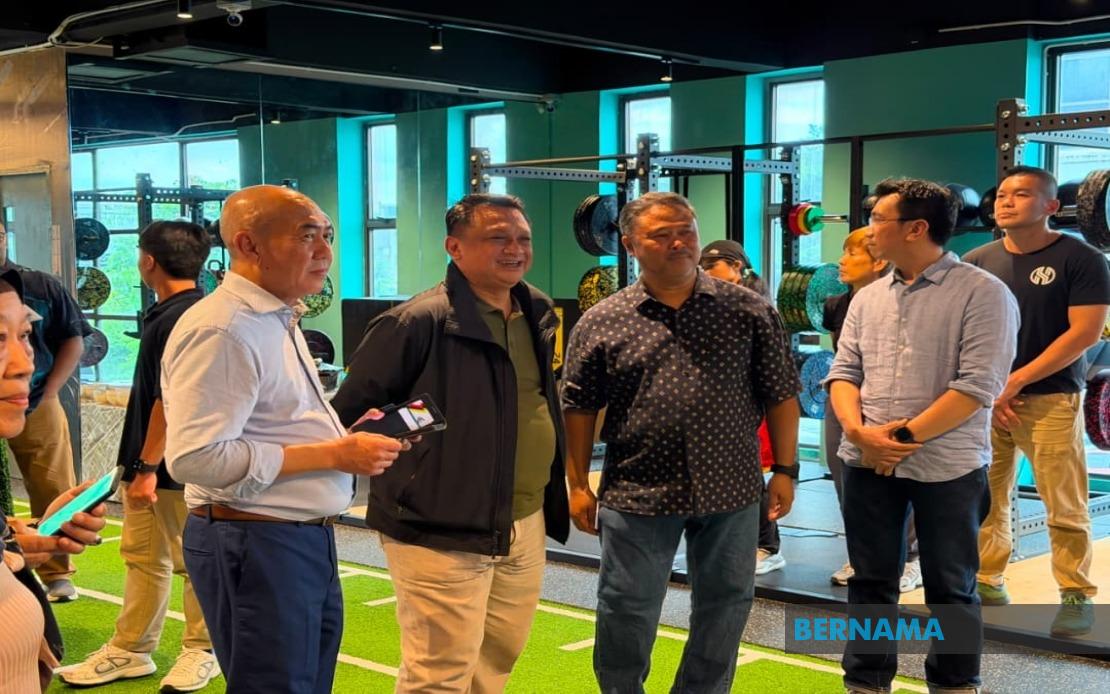
Malaysia's rapidly ageing population faces a pressing public health challenge that often goes unrecognized: the devastating impact of preventable falls among seniors. Dr Adibah Ali, who operates FitLab gymnasium in Kuching, is sounding an urgent call for the nation to take muscle-strength training seriously as a protective measure against fractures and injuries that routinely land older citizens in hospital wards. Her advocacy comes at a time when awareness remains surprisingly limited despite Malaysia's demographic shift towards an older society, creating a knowledge gap that has real consequences for elderly quality of life.
Drawing on more than two decades of clinical experience in hospital settings, Dr Adibah has witnessed firsthand the cascade of complications that follow falls in the elderly. Her years observing patients admitted with fractures and fall-related injuries have crystallized her conviction that proactive fitness interventions could substantially reduce this burden on both families and the healthcare system. The issue extends beyond the immediate trauma of a fall; secondary complications from immobility, loss of independence, and psychological setbacks often compound the initial injury, making prevention infinitely preferable to treating the consequences.
The misconception that strength training requires resembling a competitive bodybuilder represents one significant barrier to uptake among seniors. Dr Adibah emphasizes that the objective is fundamentally different—the goal centres on bone density preservation, joint protection, and enhanced mobility that enables safe navigation of everyday environments. For elderly Malaysians, this translates into tangible benefits: ascending staircases without assistance, safely transporting household items, and maintaining the physical autonomy that underpins dignity and independence in later life. These practical capabilities, often taken for granted by younger populations, become precious markers of functional health in advanced age.
Beyond fall prevention, targeted muscle development yields broader wellness dividends for seniors. Improved strength correlates with better balance and proprioception—the body's spatial awareness—reducing the likelihood of stumbling or losing footing on uneven surfaces common in Malaysian environments. Enhanced muscle mass also supports metabolic health and helps counteract sarcopenia, the age-related muscle wasting that accelerates functional decline if left unaddressed. The compounding benefits suggest that even modest strength interventions, introduced consistently, can meaningfully extend the window during which seniors remain physically independent and engaged with their communities.
Recognizing this potential, Dr Adibah's gymnasium has plans to establish specialized fitness classes tailored specifically for older adults, acknowledging that traditional gym environments may intimidate or poorly serve this demographic. Equally important is her initiative to partner with Pusat Aktiviti Warga Emas (PAWE), the national centre for senior activities, to embed strength training within existing community frameworks that already command elderly participation. This collaborative approach recognizes that sustainable behaviour change requires meeting people where they already congregate, rather than asking them to navigate unfamiliar institutional settings.
Sarawak's Deputy Minister of Youth, Sports and Entrepreneur Development Datuk Gerald Rentap Jabu underscored the urgency of promoting active lifestyles among seniors, particularly as those aged fifty and above now constitute a substantial and still-growing demographic segment across the state. His acknowledgment that efforts to encourage physical engagement need intensification reflects growing governmental recognition of the issue. The involvement of PAWE in designing and promoting these initiatives signals institutional commitment to moving beyond awareness into concrete programming that reaches Malaysia's rapidly expanding older population.
The integration of mental stimulation alongside physical activity represents an often-overlooked dimension of senior wellness that the partnership approach enables. While strength training addresses physical decline, concurrent cognitive challenges—such as chess programmes coordinated through community centres—combat isolation and mental deterioration that frequently accompany physical limitations. This holistic perspective acknowledges that successful ageing involves maintaining cognitive sharpness, social connection, and physical capability as an integrated whole, not isolated components.
For Malaysian policymakers and health authorities, the prevalence of preventable fall-related injuries among seniors represents an urgent call to action that deserves higher priority in public health agendas. The cost burden of managing fall complications—hospitalization, rehabilitation, long-term care—strains both families and the healthcare system substantially. Prevention through accessible strength training programmes offers an efficiency gain that extends healthy life expectancy while reducing system burden, making investment in senior fitness not merely a wellness issue but a sound economic strategy.
The broader Southeast Asian context amplifies these considerations. Across the region, populations are ageing rapidly, yet coordinated regional responses to elder health remain fragmented. Malaysia's initiatives to mainstream strength training for seniors could establish a model adaptable throughout the region, where similar demographic pressures and healthcare resource constraints create comparable challenges. What Dr Adibah advocates in Kuching reflects a universal imperative that transcends national boundaries—the recognition that active, strong, independent seniors benefit themselves, their families, and their societies immeasurably.

