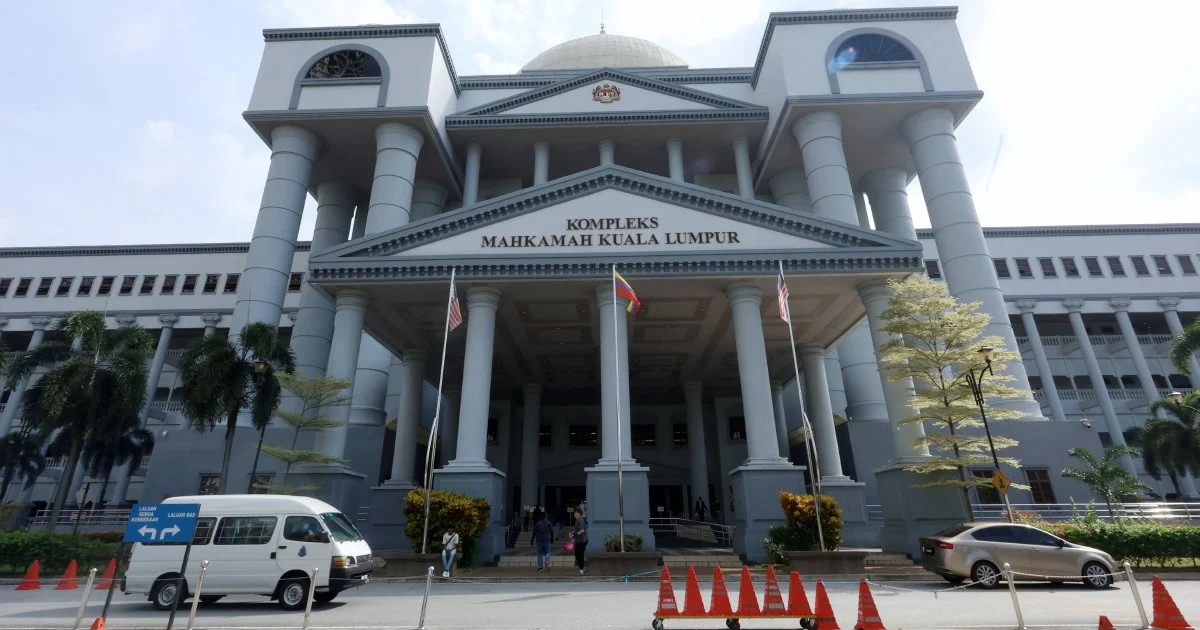
A senior executive leading a Malaysian statutory body is preparing to answer seven corruption charges in the Sessions Court, with allegations centring on the unlawful solicitation and acceptance of bribes totalling more than RM1 million. The charges relate to improper dealings connected to sports facility development, a sector that has come under increasing scrutiny following several high-profile corruption cases in recent years.
The appearance marks another significant moment in Malaysia's ongoing anti-corruption enforcement efforts, as authorities continue to investigate misconduct within both public institutions and state-linked entities. Sports infrastructure development has become a focal point for such investigations, given the substantial sums of public money often involved in construction and facility projects across the country.
Statutory bodies occupy a critical position within Malaysia's governance structure, operating with considerable autonomy whilst remaining accountable to government oversight. These organisations manage public resources across various sectors, from sports to utilities to healthcare. When executives at this level face allegations of corruption, it raises broader questions about internal controls, procurement practices, and accountability mechanisms within institutional frameworks.
The alleged bribery scheme reportedly involved multiple transactions over a period of time, with the accumulated sum exceeding RM1 million. Such magnitude suggests potential involvement of contractors, suppliers, or other parties seeking favourable treatment or contract awards from the statutory body. The structure of these alleged offences—spanning seven separate charges—indicates that prosecutors may have identified distinct instances of misconduct rather than treating the entire scheme as a single continuous wrongdoing.
Anti-corruption agencies have intensified their focus on sports-related procurement in recent years, recognising that major facility projects present opportunities for financial irregularities. The combination of substantial budgets, complex contractor relationships, and competitive bidding processes creates environments where improper conduct can flourish if governance frameworks are inadequate. The charges against this statutory body chief executive underscore the importance of rigorous compliance mechanisms at institutional leadership levels.
For Malaysian readers and businesses operating in the sports infrastructure sector, these developments carry practical implications. Enhanced scrutiny from enforcement authorities may lead to stricter compliance requirements for contractors and suppliers dealing with statutory bodies. Organisations involved in bidding for sports facility contracts should ensure their practices meet heightened standards of transparency and documentation, as investigations into alleged corruption often expand to examine the conduct of multiple parties within the transaction chain.
The statutory body system relies on trust between senior management and government overseers. When allegations of this magnitude emerge, they create reputational risks not only for the individual but potentially for the institution itself. How the organisation responds—whether through improved governance measures, transparent communication, or institutional reforms—will influence public confidence in its operations going forward.
Regional observers note that Malaysia's approach to prosecuting corruption within government institutions and statutory bodies reflects broader governance trends across Southeast Asia. Several neighbouring countries have similarly pursued high-profile cases against institutional leaders, suggesting a convergence in anti-corruption strategies across the region. Such consistency can benefit legitimate businesses by creating more predictable and equitable operating environments, as rule enforcement becomes more standardised.
The prosecution of this case will likely generate significant public interest, particularly among stakeholders in sports development and institutional governance. The Sessions Court proceedings will provide insights into the investigative methodologies employed by anti-corruption authorities and the standards of evidence they apply to cases involving senior institutional figures. Legal precedents established through this case may influence how future allegations against statutory body executives are treated.
For the statutory body in question, the proceedings present an opportunity to demonstrate institutional resilience and commitment to ethical governance. Leadership transitions, governance reviews, and enhanced oversight mechanisms implemented following such incidents often signal organisational maturity and dedication to restoring public trust. Stakeholders—including government bodies, contractors, and the public—will be watching to assess how comprehensively the institution addresses any systemic vulnerabilities that may have enabled the alleged misconduct.
The broader implications extend to Malaysia's international standing regarding corruption management. Foreign investors and international partners often assess countries based on their willingness to prosecute corruption at all institutional levels, not merely at lower ranks. High-profile cases like this one contribute to perceptions about the effectiveness and impartiality of Malaysian anti-corruption mechanisms, potentially influencing investment decisions and institutional partnerships across the region.