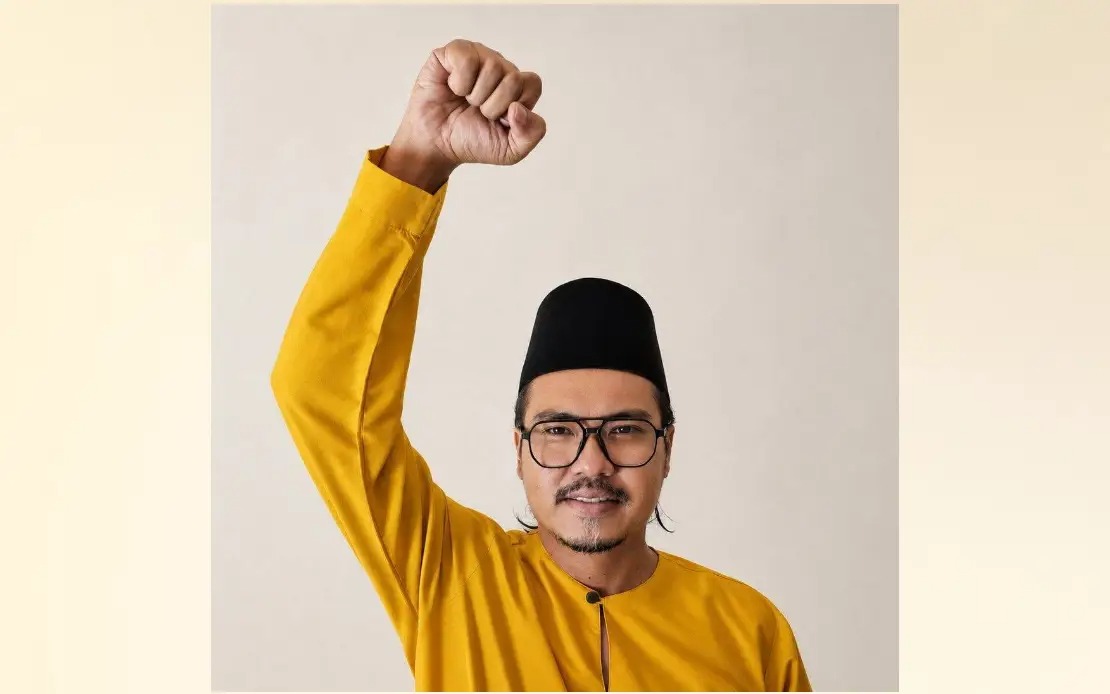
An independent candidate vying for the Sri Tanjung seat in Negeri Sembilan's upcoming state election will appear before the Sepang Sessions Court on August 11 to answer charges related to a social media post from earlier this year. Islah Wahyudi Zainudin, 46, received notice of the charge from the Malaysian Communications and Multimedia Commission (MCMC) and confirmed he will comply with the court summons while maintaining his campaign activities across the state.
The alleged offense stems from an Instagram post Islah made in January, with authorities pursuing charges under Section 233 of the Communications and Multimedia Act 1998. This section typically addresses offensive content transmitted through network facilities and carries significant penalties for violations. The charges represent one of an increasing number of cases filed against candidates and politicians over online remarks during election seasons, reflecting the growing intersection between digital expression and electoral law enforcement in Malaysia.
Islah's legal predicament arrives amid an intensely competitive five-way contest for the Sri Tanjung constituency, where he faces a challenging political landscape dominated by established parties. The incumbent Datuk Dr G. Rajasekaran represents Pakatan Harapan, while Barisan Nasional fielded A. Achuthan. Parti Pribumi Bersatu Malaysia nominated M. Leevineshwaraan, and fellow independent Datuk A. Saravanan also contests the seat, creating a fragmented field where every vote carries significance.
The timing of the charge raises questions about the intersection of law enforcement and electoral politics. Islah received the MCMC notice on a midday visit by an officer, a procedure that, while routine from an administrative standpoint, coincides with the height of election season campaigning. The Elections Commission scheduled early voting for July 28, with general polling day on August 1, meaning the court date falls after results have been declared. This temporal arrangement allows Islah to continue his campaign uninterrupted, though the looming court appearance may influence voter perceptions during the critical final weeks before balloting.
The Communications and Multimedia Act 1998 has become a frequent tool in addressing online content deemed problematic by authorities, yet its application remains contentious among digital rights advocates who argue the provisions are vaguely worded and subject to inconsistent enforcement. Section 233 specifically criminalizes offensive content that causes annoyance, irritation, or harassment, a standard critics suggest is dangerously broad and susceptible to political manipulation. Independent candidates and opposition figures have historically cited concerns that such provisions may be wielded selectively during election periods.
Islah's measured response to the charge—accepting the legal process while pledging continued campaigning—reflects a pragmatic political strategy common among candidates facing legal challenges during elections. By neither dismissing the charges nor making them a central campaign issue, he attempts to maintain focus on substantive electoral messaging. His willingness to publicly acknowledge the court date and the underlying Instagram post demonstrates a degree of transparency unusual in cases where candidates might attempt to minimize legal troubles.
The Sri Tanjung constituency represents a significant battleground in Negeri Sembilan's political realignment. The presence of two independent candidates alongside major party nominees suggests local political dynamics that transcend the traditional two-coalition framework dominating Malaysian politics. Negeri Sembilan itself has proven volatile in recent elections, with power shifting between PH and BN, making any five-way split potentially consequential for the eventual winner. The broader competitive context underscores that Islah's individual legal case is situated within larger struggles for political relevance.
For Malaysian voters and observers monitoring electoral integrity, cases like Islah's highlight the complex relationship between online speech, campaign conduct, and legal accountability. The specific content of the Instagram post remains undisclosed in public reports, leaving questions about whether the alleged offense constitutes genuinely harmful misinformation or merely expression that authorities deemed objectionable. This opacity in the charges themselves reflects broader challenges in transparent application of communication laws during election seasons.
The MCMC's role in initiating proceedings reflects Malaysia's regulatory framework for digital communications, where the commission serves as enforcement body for media and telecommunications standards. Its involvement in political speech cases during elections has periodically drawn international attention and domestic criticism regarding the potential for regulatory overreach. The agency maintains that its enforcement targets unlawful content regardless of political affiliation, though documentation of case patterns would be necessary to substantiate such claims.
Islah's situation also resonates across Southeast Asia, where similar provisions governing online content exist in numerous jurisdictions. Countries including Thailand, Singapore, and Vietnam employ comparable laws to regulate digital expression, often raising comparable concerns about whether such mechanisms balance legitimate public interest against potential suppression of political discourse. Malaysia's approach remains relatively less restrictive than some regional counterparts, yet the active prosecution of online cases during election seasons continues generating debate about appropriate boundaries.
Looking ahead, the August 11 court date will likely have minimal impact on the immediate election outcome, as voting concludes by August 1. However, the eventual court decision may carry significance for Islah's political future and broader precedent regarding permissible online conduct for candidates. A conviction could influence his eligibility for future candidacies, depending on sentence severity, while acquittal would vindicate his position that the charges lacked merit. Either outcome will contribute to evolving jurisprudence around digital expression in Malaysian electoral contexts.
For the broader Sri Tanjung electorate, Islah's legal challenge represents one variable among many shaping the contest. Voter decisions ultimately turn on local constituency concerns, candidate credentials, and partisan preferences rather than legal proceedings. Nevertheless, the case underscores how modern elections increasingly intersect with digital platforms, regulatory frameworks, and legal systems in ways that candidates and authorities must navigate. As Malaysian politics continues digitalizing, similar situations involving social media posts and electoral law will likely multiply, necessitating clearer guidelines and more transparent enforcement practices.

