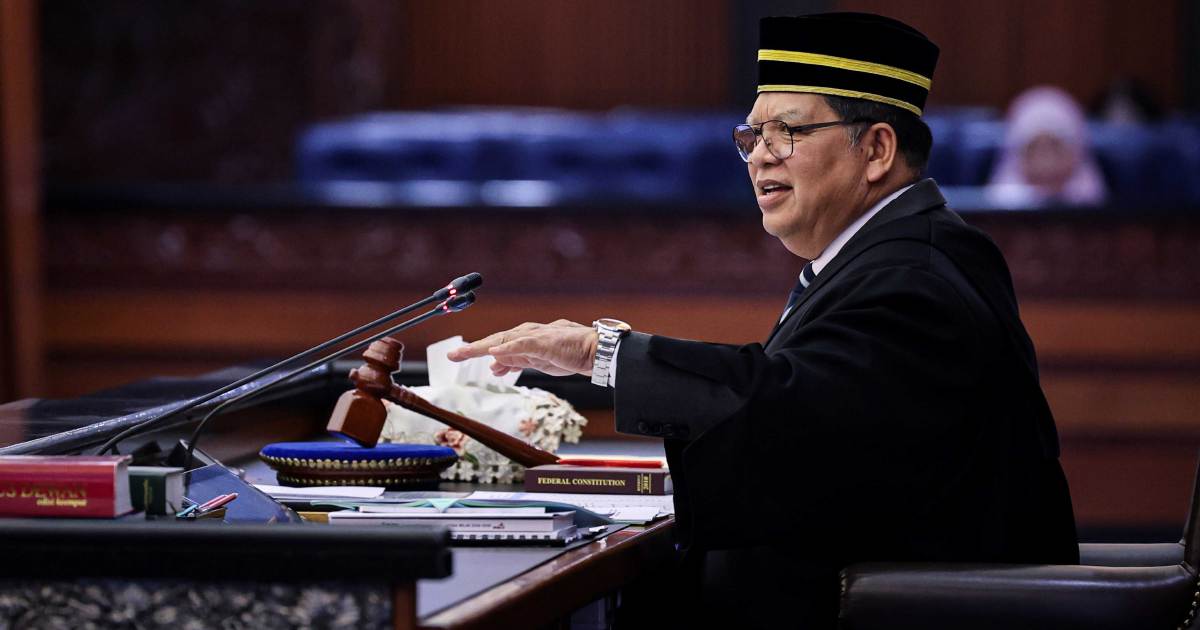
Dewan Rakyat Speaker Tan Sri Johari Abdul has issued a firm reminder to members of parliament that attending parliamentary sittings is a fundamental obligation that cannot be casually disregarded, underscoring the importance of legislative presence in Malaysia's democratic process.
The Speaker's directive addresses a longstanding concern within the legislature: the tendency of some MPs to miss sessions without justifiable cause. This practice undermines the work of Parliament and raises questions about the commitment of elected representatives to their constitutional duties and the constituents who voted them into office.
Johari's intervention reflects growing scrutiny of parliamentary attendance across Southeast Asia, where legislatures increasingly face criticism for inconsistent member participation. In Malaysia's context, the issue carries particular weight given the nation's emphasis on parliamentary democracy and the legitimacy that depends on active, engaged representation.
Attendance at parliamentary sittings serves multiple critical functions within the legislative system. It enables meaningful debate on proposed legislation, allows MPs to represent their constituents' interests through questioning and discussion, and ensures accountability through scrutiny of government actions. When members absent themselves without valid reason, these mechanisms become compromised, potentially affecting the quality of laws passed and the oversight exercised over executive bodies.
The Speaker's office typically recognises legitimate reasons for absence—serious illness, family emergencies, official duties, or parliamentary leave—and maintains records of attendance patterns. However, the distinction between justified and unjustified absences has sometimes proven contentious, particularly when political considerations might influence how absence requests are evaluated or approved.
From a broader governance perspective, parliamentary attendance statistics often serve as informal measures of institutional health and member engagement. High absenteeism can signal disengagement, inadequate party discipline, or logistical challenges in calling sittings at times that accommodate constituency work. In Malaysia, where MPs represent diverse constituencies scattered across the peninsula and East Malaysia, travel and scheduling complexities do genuinely affect participation rates.
The Speaker's reminder also carries implications for legislative productivity and government operations. Parliamentary sessions are scheduled at significant administrative cost and disruption to other government business. When sittings proceed with noticeably reduced membership, particularly on important legislative votes, questions arise about representativeness and the legitimacy of decisions made by a diminished parliament.
This intervention by Johari comes amid broader discussions about parliamentary reform and modernisation in Malaysia. Advocates for legislative strengthening have identified attendance as a foundational requirement—without consistent member presence, even the most well-designed parliamentary procedures become less effective. Better coordination between parliamentary schedules and constituency work demands represents one potential path toward improving participation rates while respecting MPs' responsibilities to their communities.
Politically, the Speaker's message carries weight across the governing coalition and opposition benches. Both sides have faced accusations of poor attendance during previous parliamentary sessions, suggesting this is not a partisan issue but rather a systemic challenge requiring leadership and commitment from all parties represented in the Dewan Rakyat.
For Malaysian voters and civil society observers, parliamentary attendance serves as one measurable indicator of representative performance. Advocacy groups increasingly publish attendance records and hold MPs accountable through public awareness campaigns, creating informal pressure for better participation. The Speaker's reminder thus addresses an issue that extends beyond the chamber walls to encompass public confidence in parliamentary institutions.
Moving forward, the effectiveness of Johari's directive will likely depend on consistent enforcement and clear communication of what constitutes valid reasons for absence. The Speaker's office may need to balance flexibility for genuine hardship with firmness against casual disregard for parliamentary obligations. Establishing transparent, equitable standards for attendance would strengthen parliamentary legitimacy and demonstrate that the institution takes its constitutional role seriously.
The Speaker's statement ultimately reflects a commitment to reinforcing parliamentary standards and reminding elected representatives that their primary allegiance remains to the institution and the people they serve. Regular, active participation in legislative sessions remains fundamental to Malaysia's democratic system, and consistent messaging about this obligation helps sustain the cultural expectations that support healthy parliamentary function.

