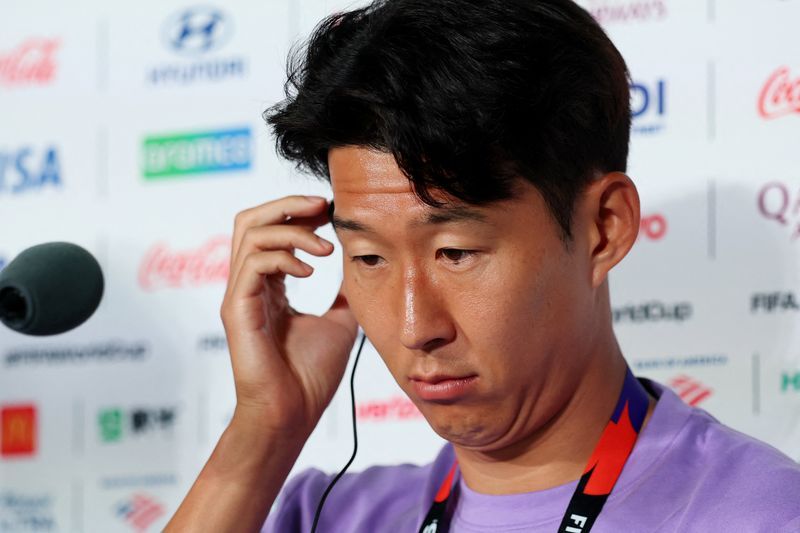
South Korea's national football team has stopped engaging in optional media activities during the World Cup following an incident in which domestic journalists allegedly ridiculed captain Son Heung-min over his military service obligations, triggering a significant rift between the squad and the press contingent. The controversy emerged when reporters were captured on microphones making disparaging comments about the 33-year-old Tottenham forward while he trained separately from his teammates at the Guadalajara base camp, setting off alarm bells within the national federation about the team's psychological environment during the tournament.
Military conscription remains a deeply sensitive and culturally significant topic throughout South Korea, where all able-bodied men are legally required to serve approximately 21 months in the armed forces. This mandatory system has been maintained as a critical component of the nation's defence posture, part of decades-long efforts to sustain a credible military deterrent against North Korea and deter any potential aggression across the demilitarised zone. The obligation affects nearly every South Korean male athlete, entertainment celebrity, and public figure, making it a shared national responsibility that carries considerable weight in the country's collective consciousness.
However, the South Korean government provides selective exemptions to athletes who achieve elite international success, recognising their contributions to national prestige and soft power. Specifically, individuals who capture gold medals at the Asian Games or win Olympic medals are eligible to bypass or significantly reduce their military service requirements. This incentive structure has long motivated South Korean athletes to pursue glory on the continental and global stage, transforming personal achievement into a pathway toward exemption from conscription. Son and his teammates earned this exemption after winning the men's football gold medal at the 2018 Asian Games, a triumph that granted them reduced or waived military obligations.
The Korea Football Association issued a statement expressing formal regret over what it characterised as inappropriate remarks made by certain media personnel during the team's training sessions at the Guadalajara facility. In the statement, the KFA emphasised that the Taegeuk Warriors—the traditional nickname for South Korea's national side—are committed to representing their nation on the world's greatest sporting stage, dedicating themselves to repaying the support and goodwill extended by the South Korean public. However, the inadvertent disclosure of these conversations between media officials caused considerable dismay and disillusionment within the squad, undermining team morale at a critical juncture in their tournament campaign.
The federation appealed to media organisations operating at the World Cup to adopt a more considerate and professionally responsible approach when covering the national team. Rather than viewing journalists and players as adversaries, the KFA framed the appeal as a collaborative effort to establish a healthier ecosystem for sports coverage. The association pledged its continuing commitment to safeguarding the squad's wellbeing and psychological safety, signalling that protecting athletes from unnecessary distraction and negative external pressure would remain a priority moving forward. This protective stance reflects growing recognition within international sports of the mental health implications of intense media scrutiny.
Son had previously undergone a three-week basic military training regimen in South Korea during the early stages of the COVID-19 pandemic, specifically in 2020 when the Premier League suspended operations due to widespread lockdowns and safety concerns. This training was considerably more rigorous and demanding than typical media appearances, encompassing exposure to tear gas, live-fire weapons drills, and extended endurance hikes covering up to 30 kilometres. The experience demonstrated Son's willingness to fulfill his patriotic obligations despite his elite athletic status, yet ironically, this commitment to duty became the subject of mockery from the very journalists tasked with covering his national team.
While the squad has chosen to withdraw from voluntary media commitments, they remain bound by mandatory broadcast and promotional obligations established by FIFA, the sport's international governing body. These non-negotiable requirements ensure that participating nations meet contractual obligations to media rights holders and sponsors who have invested heavily in World Cup coverage. Consequently, South Korea cannot completely sever its media responsibilities, though the team's strategic withdrawal from discretionary interactions underscores the severity of the breach in trust between players and domestic press.
The incident highlights ongoing tensions between athlete privacy, media access, and the intense pressure that national team players experience in football-obsessed cultures. For Malaysian and Southeast Asian readers, the situation resonates with broader regional patterns where national sports teams operate under immense public scrutiny and expectations. The South Korean case demonstrates how organisational leadership and media relations can either support or undermine athlete performance, particularly when personal and patriotic sensitivities become targets for unprofessional conduct. The squad's decision to enforce consequences through media boycotts signals a shift toward athletes collectively asserting boundaries around acceptable public commentary.