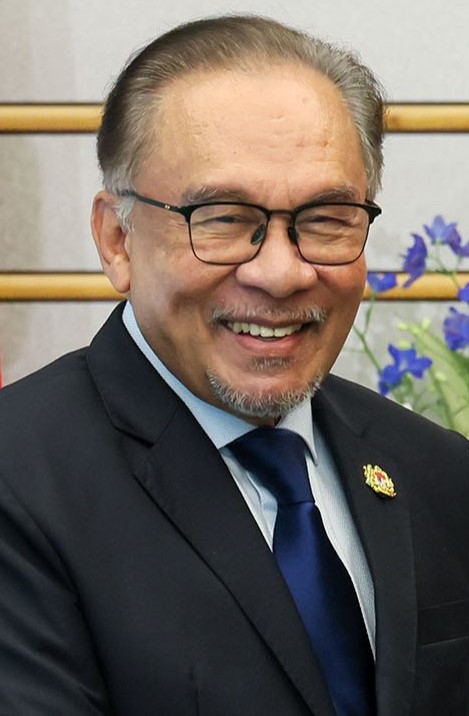
South Korean President Lee Jae Myung has sought to navigate a delicate political divide by simultaneously recognizing failures in the country's electoral administration while firmly rejecting claims of deliberate election manipulation. Speaking on social media on June 15, Lee acknowledged the legitimate grievances surrounding the June 3 local elections, which were marred by ballot paper shortages and voting management failures that temporarily halted or delayed voting at numerous polling stations across the country. Yet he drew a careful distinction between warranted criticism of the National Election Commission's handling of the process and what he characterized as unfounded conspiracy theories suggesting intentional rigging—a distinction that underscores the complex fault lines emerging in South Korean society over the incident.
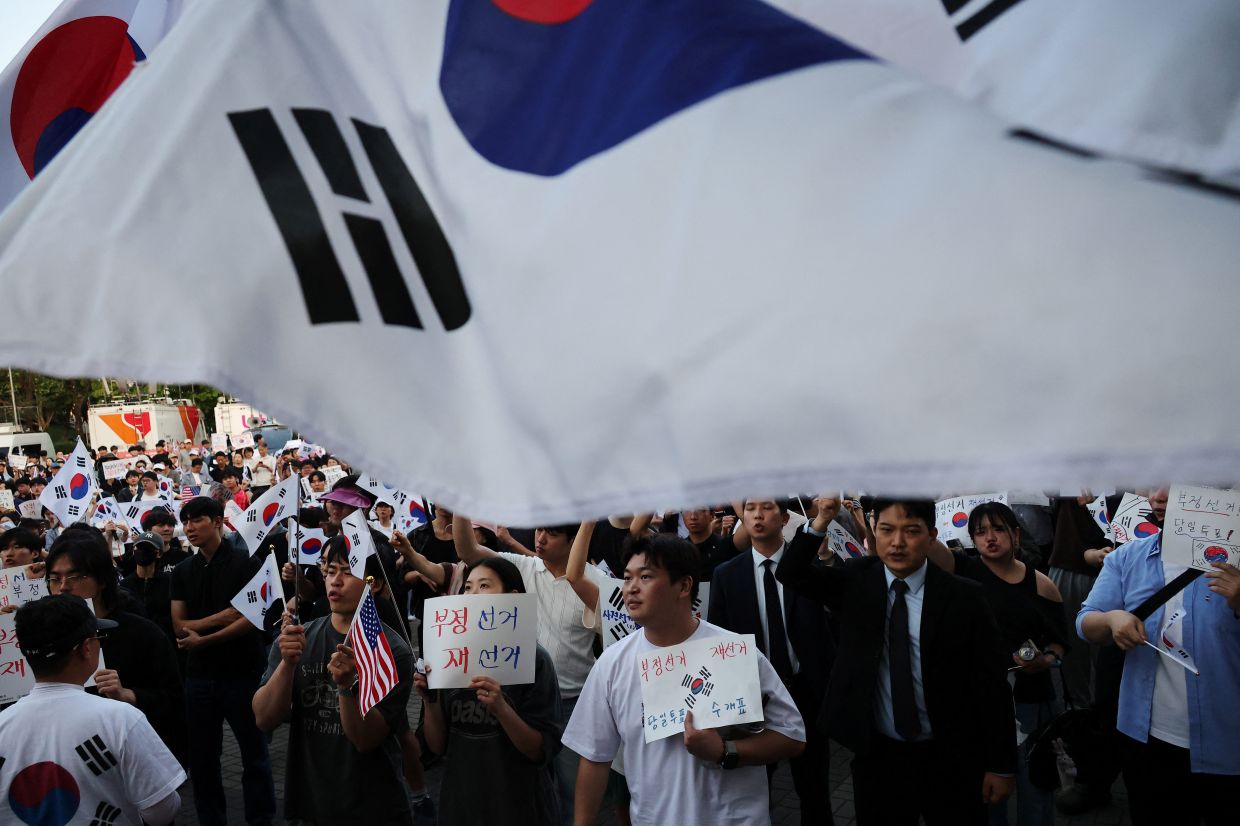
The focal point of ongoing public anger has centered on Olympic Park in southern Seoul, where the handball arena that served as a vote-counting centre has become the site of sustained protests. Demonstrators have maintained a vigil around the facility, disrupting access and operations at sports organisations housed within the broader Olympic Park complex. This persistence reflects deep public frustration, particularly among younger voters and civic groups who view the election administration failures as emblematic of institutional mismanagement. However, these demonstrations have created secondary consequences affecting athletes and administrative staff at organisations dependent on unimpeded facility access for their work, including preparations for international sporting competitions.
President Lee's statement on June 15 attempted to validate public concerns about voting rights infringement—the constitutional foundation of democratic governance—while simultaneously drawing a line against what he viewed as exploitative narratives. He characterised the ballot shortage incident as "truly absurd and bewildering," reflecting official acknowledgment that the National Election Commission's performance had fallen short of standards expected in a mature democracy. Yet he cautioned against what he termed "some forces" weaponizing legitimate grievances to construct baseless theories about systematic election fraud, distinguishing between administrative incompetence and deliberate manipulation.
The presidential intervention came amid reports that protest activities, whilst rooted in justified concerns, had begun crossing into problematic territory. According to local media coverage that prompted Lee's response, demonstrations had obstructed access to Olympic Park facilities, preventing civilian employees from entering workplaces and disrupting essential administrative functions. Some sports organisations with offices in the complex reported significant operational challenges in conducting work necessary for South Korean athletes to compete in international events. This collision between the right to protest and the practical functioning of society forced Lee to address the boundaries of legitimate demonstration.
In his statement, Lee instructed police to conduct rigorous investigations into both those who physically obstructed operations and those who organised or conspired in such actions. This directive represented an attempt to hold accountable those crossing what the president termed "the lines that must be observed," emphasizing that law and institutional frameworks constitute the clearest such boundaries. The instruction suggested growing concern within the presidential office that protest momentum, whilst initially rooted in legitimate electoral concerns, risked morphing into general civil disobedience that could destabilize broader governance systems.
Lee's remarks came during a significant moment—he was presiding over senior aide meetings via video link from the Vatican, lending an international dimension to his statement. The timing and venue suggested an attempt to present South Korea as a nation addressing internal challenges whilst maintaining its international commitments and democratic character. Yet the underlying crisis pointed to deeper anxieties about institutional trust in South Korea's electoral systems and the government's capacity to manage both electoral administration and public response to administrative failures.
The president's proposal for institutional response centred on accelerating multiple investigative mechanisms simultaneously. He urged the National Election Commission to fully cooperate with a parliamentary investigation set to commence within days, signalling that legislative oversight would complement executive branch inquiries. He also called upon a joint investigation team comprising prosecutors and police to accelerate their determination of responsibility "without any sanctuary"—language suggesting that no individual or institution, regardless of rank or position, should escape accountability for documented failures or misconduct.
Crucially, Lee distinguished between "baseless conspiracy theories" and legitimate demands for transparency and accountability. He acknowledged that some individuals spreading election fraud claims had engaged in problematic behaviour, including threatening police officers and citizens, conducting unexplained searches and inspections, and obstructing official duties. Yet rather than dismissing underlying public anger as illegitimate, he reframed the challenge as channelling citizen concerns through constructive institutional processes rather than through sustained confrontation and obstruction.
The president's framing emphasised that transforming the voting rights infringement into an opportunity for strengthening democracy required guaranteeing and pursuing both healthy criticism and constructive alternatives. This rhetoric attempted to legitimize protest and accountability mechanisms whilst delegitimizing what he viewed as destabilizing activity. He called for a "thorough and transparent fact-finding process," implicitly committing the government to comprehensive institutional response to the electoral administration failures.
For Southeast Asian observers, the South Korean case illustrates the challenges that democratic societies face when managing tensions between institutional accountability and social stability. The ballot shortage incident threatened public confidence in electoral integrity—a foundational element of democratic legitimacy. Yet Lee's response suggested that responding adequately required not only investigating and correcting failures but also maintaining boundaries around protest activity and preventing legitimate grievances from metastasizing into broader claims of systemic fraud. His navigation of this tension, whilst acknowledging serious administrative failures whilst rejecting fraud allegations, represented an effort to preserve democratic legitimacy without permitting sustained civil disobedience to undermine institutional functioning.
The situation also reflected generational dimensions evident across many developed Asian democracies. Lee specifically referenced "the righteous anger of young people and citizens," suggesting that younger voters felt particularly betrayed by electoral administration failures that restricted their ability to exercise democratic rights. This generational dimension complicated the political calculus, as dismissing youth grievances risked deepening democratic disengagement, yet legitimizing all protest activity risked setting precedents for future civil disobedience in response to government failures.
Looking forward, the success of Lee's approach would depend on whether the multiple investigation mechanisms—parliamentary, prosecutorial, and police—produced findings that satisfied public demands for accountability whilst avoiding conclusions suggesting deliberate systemic fraud. The president's call for speed and transparency in these investigations reflected an understanding that prolonged uncertainty could sustain and intensify public anger. Yet investigations conducted under pressure face their own risks of incomplete analysis or politically influenced conclusions, potentially undermining rather than restoring public trust in institutions.
The incident underscores broader questions about democratic resilience in advanced Asian democracies. South Korea possesses sophisticated electoral institutions, independent constitutional courts, parliamentary oversight mechanisms, and an active civil society. Yet these institutions proved unable to prevent ballot management failures that restricted voting rights for some citizens. Lee's response attempted to demonstrate that these same institutions could investigate failures, hold responsible parties accountable, and implement reforms to prevent recurrence—all whilst maintaining democratic legitimacy and social stability. Whether South Korean society ultimately views this response as adequate or whether sustained protest and public anger persist will reveal much about contemporary expectations for institutional performance and accountability in mature democracies.