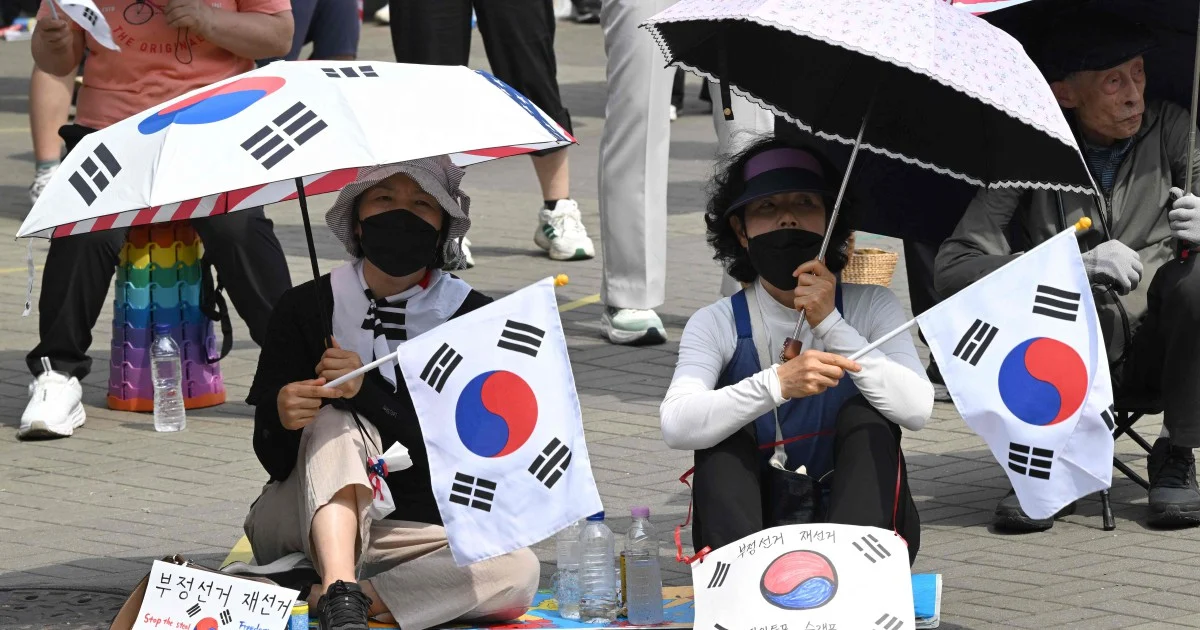
South Korea's National Assembly has formally commenced a 45-day parliamentary investigation into the country's National Election Commission in response to severe logistical failures that undermined the integrity of the June 3 local elections. The decision, ratified during a plenary session on Thursday, represents growing political concern over how administrative lapses in vote preparation and distribution managed to occur in a country with a well-established democratic infrastructure and sophisticated electoral systems.
The ballot-paper shortage that precipitated this inquiry exposed vulnerabilities in South Korea's election administration during a crucial municipal and provincial voting cycle. Such disruptions during electoral exercises carry significant implications beyond the immediate inconvenience to voters, as they can undermine public confidence in democratic processes and raise questions about the competence of institutions entrusted with safeguarding fundamental rights. For a nation that has positioned itself as a beacon of democratic stability in East Asia, the incident marks an unusual administrative stumble that demanded parliamentary oversight.
The parliamentary investigation framework established for this case will focus on identifying the root causes behind the shortage, examining whether procedural failures, resource miscalculation, or logistical coordination problems were primarily responsible. Investigators will likely scrutinise how the National Election Commission forecasted and procured ballot materials, how distribution networks functioned on election day, and whether contingency protocols existed to address supply chain disruptions. Understanding these operational gaps becomes essential for preventing recurrence and maintaining electoral credibility.
For Malaysian observers and election administrators, this South Korean situation offers instructive lessons about the complexity of managing nationwide ballot logistics. While Malaysia's own electoral commission operates within a different constitutional framework and organisational structure, the underlying challenge of coordinating voting materials across distributed polling stations remains universally relevant. The potential for supply-chain miscalculations affecting electoral administration transcends national boundaries and demonstrates why robust planning mechanisms and redundancy measures prove indispensable.
The June 3 elections themselves, held to select mayors, governors, and provincial council members across South Korea's regional governments, represented a significant democratic exercise with implications for local governance and policy direction. That ballot shortages compromised the voting experience during this important electoral moment underscores how administrative failures, however unintentional, can diminish democratic participation and create frustration among the electorate. Questions about whether the shortage affected particular regions disproportionately or influenced overall turnout metrics will likely feature prominently in the parliamentary review.
Parliamentary investigations of election commissions in democratic systems typically operate as accountability mechanisms designed to identify accountability gaps without necessarily precipitating major structural reforms. The 45-day timeframe suggests parliament intends to move with reasonable dispatch while allowing sufficient opportunity for thorough examination of documentary evidence and witness testimony. Such investigations often culminate in recommendations for procedural modifications, enhanced training protocols, or resource allocation adjustments rather than wholesale organisational overhaul.
The political dynamics surrounding this investigation merit consideration, as questions about electoral administration frequently become focal points for broader partisan debates. Various political factions within South Korea may interpret the ballot shortage differently, with some viewing it as demonstrating need for expanded election commission resources and others potentially using it to argue for decentralised voting administration. The parliamentary investigation will need to maintain sufficient independence from these political cross-currents to produce findings commanding broad institutional acceptance.
South Korea's experience highlights how even technologically advanced and institutionally sophisticated democracies remain vulnerable to logistical mishaps during electoral administration. The country maintains one of Asia's most mature democratic systems, with well-established legal frameworks, professional bureaucracies, and civic engagement. Yet the ballot shortage reminded stakeholders that procedural gaps can emerge in unexpected areas, particularly where multiple administrative layers intersect or where demand forecasting proves inaccurate.
The National Election Commission itself faces pressure to provide comprehensive explanations for what occurred and to demonstrate commitment toward systemic improvement. Election bodies throughout the region typically operate under considerable public scrutiny, particularly when operational failures become visible. How the commission responds to parliamentary questioning, whether it acknowledges responsibility candidly, and what corrective measures it proposes will shape public perception of its institutional competence and trustworthiness.
Regional election observers across Southeast Asia and East Asia will monitor this investigation's findings, as they illuminate how neighbouring democracies address administrative shortcomings. Electoral integrity depends not only on sound legal frameworks and impartial oversight but also on reliable execution of fundamental logistical functions. The South Korean case underscores why election commissions must invest continuously in operational excellence alongside governance reforms.
Looking forward, the parliamentary investigation should produce actionable recommendations addressing ballot forecasting methodologies, supplier coordination protocols, and contingency planning for supply disruptions. Implementation of such recommendations would help restore public confidence while establishing preventative measures for future electoral cycles. For South Korea's democracy, converting this administrative challenge into institutional learning represents both a responsibility and an opportunity to strengthen electoral administration further.