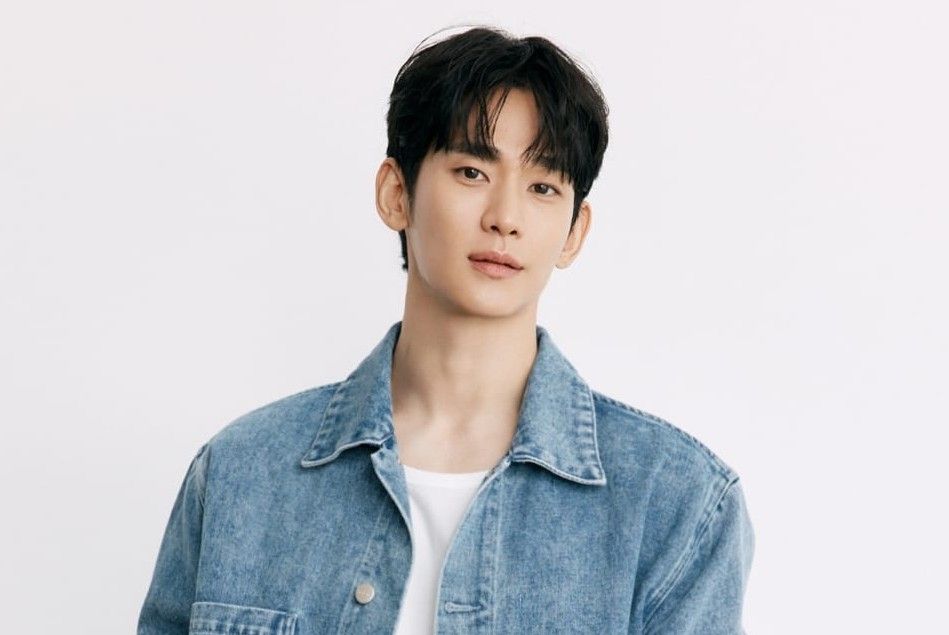
South Korean actor Kim Soo-hyun has broken his year-long silence from the entertainment industry by fronting a fresh advertising campaign for Bench, the Philippines' largest clothing and lifestyle retail chain. The announcement came via founder Ben Chan's Instagram post on July 14, featuring behind-the-scenes imagery from the brand's commercial shoot and marking what appears to be a carefully orchestrated return to professional visibility.
Chan's social media post carried the caption "Reunited with your @benchtm family," emphasizing continuity in Kim's relationship with the brand despite the extended hiatus. The creative featured Kim positioned in front of a striking red balloon arrangement, with two smaller balloons displaying his initials, while subsequent images showed him modelling various Bench apparel pieces. The deliberate aesthetic composition suggests a polished, strategically timed re-emergence rather than an unplanned comeback.
Miguel Pastor, the creative director overseeing Suyen Corporation—Bench's parent entity—provided additional commentary on the collaboration's significance. In his post released midweek, Pastor characterized Kim's return as marking "a welcome return to one of his most recognizable brand partnerships," framing the campaign as representing "the start of a new chapter in his public career." This language choice underscores the industry's recognition that the actor required a well-positioned platform through which to rebuild his public profile and professional credibility.
The groundwork for this comeback had been laid earlier when Kim's agency, Gold Medalist, released a teaser announcement on June 5 confirming the actor's involvement in Bench's commercial and photo shoot. This advance notice allowed anticipation to build within entertainment circles and among Kim's fanbase, suggesting that the campaign's execution has followed a deliberate strategic timeline developed between the agency and the brand.
Kim's retreat from public prominence occurred in March 2025 following accusations that he had engaged in a romantic relationship with late actor Kim Sae-ron while she remained a minor. Kim categorically rejected these claims, asserting instead that the relationship had commenced only after she attained legal age. This distinction formed a crucial element of his defence, though the allegations nonetheless triggered sufficient reputational damage to prompt his withdrawal from public-facing activities and professional commitments.
Developments in the legal dimensions of the controversy provided Kim with significant vindication. In May, police investigating the allegations concluded that accusations raised by Kim Se-ui, the head of HoverLab, were entirely unfounded. Following this determination, Kim initiated a defamation lawsuit against Kim Se-ui, signalling his intention to pursue legal remedies for the damage inflicted by the false allegations. This shift from defensive posture to active legal recourse suggested growing confidence in his legal standing.
However, Kim's path forward remained encumbered by additional complications stemming from the controversy's commercial dimensions. Outdoor apparel brand Eider filed a damages lawsuit alleging that the scandal had substantially diminished the company's brand value and marketplace position. The legal dispute between Eider and Kim's agency remained unresolved until July 8, when the court issued a recommendation that both parties pursue settlement negotiations rather than proceed to full litigation. This development represented a pragmatic attempt by the judicial system to facilitate reconciliation without determining fault.
The Bench partnership carries particular significance for Southeast Asian audiences given the region's substantial and growing Korean entertainment consumption. For Malaysian readers and broader regional demographics, Kim's comeback through a Philippine brand represents an important case study in how entertainment industry figures navigate reputation management and professional rehabilitation across international markets. The Philippines' retail sector and Bench's position as a dominant player make this collaboration noteworthy beyond mere celebrity endorsement dynamics.
The timing of Kim's return also reflects broader patterns in how Korean entertainment handles scandal recovery. Unlike some international contexts where reputation damage proves career-ending, the Korean industry typically provides pathways for rehabilitation through strategic brand partnerships and carefully managed public reappearance. Bench's willingness to employ Kim suggests that sufficient time had elapsed and sufficient exoneration had occurred for major brands to recalculate their commercial calculus regarding association with the actor.
For the Southeast Asian entertainment market, this situation illustrates the interconnectedness of Korean celebrity culture with regional consumer brands and retail operations. Bench's decision to restore Kim to his previous role as brand ambassador signals confidence that regional audiences have moved beyond the controversy, or alternatively, that the brand's management calculated that the actor's remaining fanbase and commercial appeal outweighed potential reputational risks from association with his previous controversies.
Looking forward, this campaign may represent merely the initial stage in Kim's broader professional reconstruction. Additional film and television opportunities would likely depend on the successful reception of the Bench campaign and sustained media rehabilitation efforts. The actor's ability to transition from advertising back into major entertainment productions will substantially determine whether this comeback constitutes a genuine career reset or merely a temporary measure to maintain commercial relevance during an extended industry absence.

