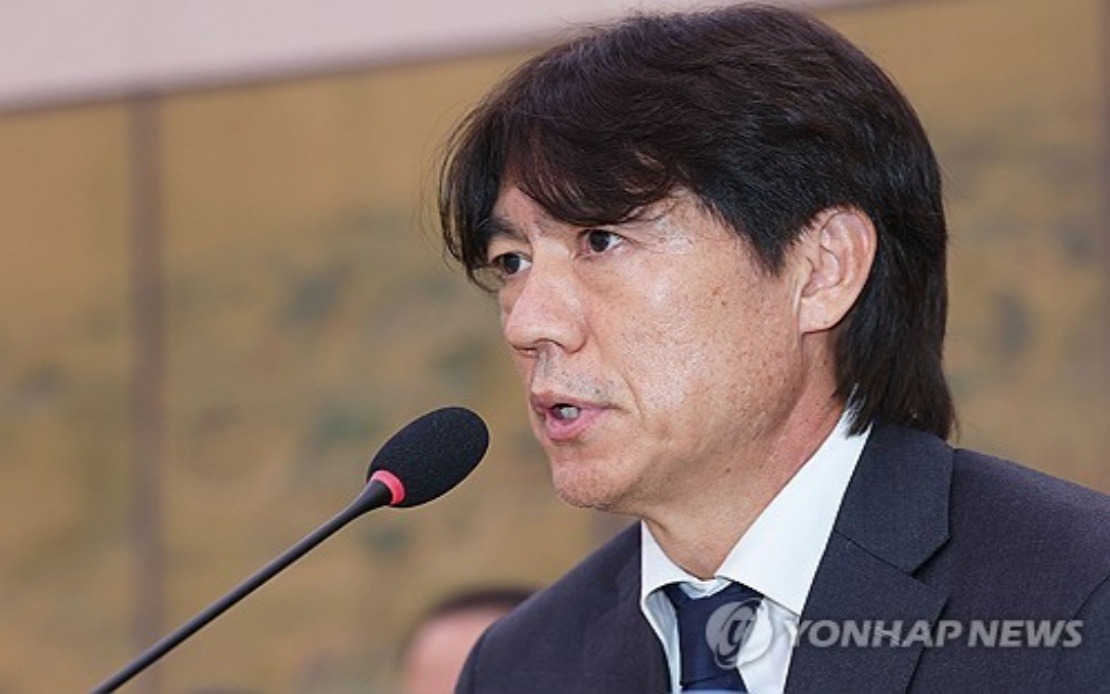
Investigators from South Korea's police force conducted simultaneous raids on the Korea Football Association's offices on Thursday as part of an ongoing inquiry into allegations of misconduct during the 2024 appointment of Hong Myung-bo as the men's national football team head coach. The searches targeted the KFA's headquarters in Cheonan, located approximately 90 kilometres south of the capital Seoul, as well as the organisation's central Seoul facility. Authorities sought to gather documentation that could reveal whether federation leadership inappropriately exerted influence over the hiring process.
The investigation centres on whether senior KFA officials, including former federation president Chung Mong-kyu and ex-technical director Lee Lim-saeng, manipulated the appointment procedures in July 2024. Complaints filed by a local civic advocacy group have accused these individuals of obstruction of duties, breach of trust, coercion and intimidation related to Hong's hiring. The allegations suggest that proper protocols were disregarded during the recruitment process, with Hong ultimately selected without adhering to established procedures for such significant appointments.
One particularly striking allegation involves Lee Lim-saeng, who held a position lacking authority over coaching recruitment decisions, allegedly offering Hong the role in an informal setting—a bakery near Hong's residence. This casual approach to securing the nation's most important football position stands in stark contrast to the formal evaluation processes typically employed for such consequential hires. The manner in which the job was purportedly offered raises questions about the governance standards maintained by the KFA and whether institutional checks and balances functioned as intended.
Hong had stepped down from his position in late June following South Korea's disappointing group-stage elimination from the FIFA World Cup, creating public scrutiny of both his tenure and the circumstances surrounding his appointment. The timing of the police action—coming shortly after the national team's World Cup exit—reflects renewed media and public interest in the affair. Authorities had initiated their initial investigation approximately two years prior, but the probe had remained relatively dormant until recently gaining momentum following the tournament's conclusion.
Police questioned Hong himself on Tuesday as a suspect in the investigation, marking an escalation of the formal inquiry process. This development signals that investigators may be considering charges against the former coach alongside other potential defendants. The questioning represents a significant step beyond preliminary evidence gathering, suggesting that authorities possess sufficient grounds to probe Hong's knowledge of and involvement in the alleged irregularities.
Parliamentary lawmakers intensified scrutiny of the matter when they convened a public hearing last month, during which both Hong and Chung were subjected to extended questioning regarding multiple aspects of the federation's operations. The parliamentary forum provided an additional avenue for transparency, with legislators pressing both individuals on their roles in the appointment decision and broader governance concerns affecting Korean football's institutional framework. This legislative involvement underscores the significant public interest and political dimensions of the case.
The investigation carries implications beyond Korean football governance, as it raises broader questions about institutional accountability in major sports organisations. The allegations suggest that even in high-profile federations with substantial resources and visibility, proper procedural safeguards may be circumvented when powerful individuals exercise influence. The case highlights the vulnerability of appointment processes to manipulation by senior figures who prioritise particular candidates over merit-based selection.
For Malaysian sports administrators and policymakers, the Korean situation offers cautionary lessons regarding the importance of transparent recruitment procedures and institutional independence in sports governance. Malaysia's own football federation and other national sports bodies must ensure that appointment processes for coaches and senior administrative staff incorporate robust oversight mechanisms and documented decision-making procedures that prevent informal influence peddling. The KFA case demonstrates how institutional credibility deteriorates when procedural integrity is compromised.
The broader Southeast Asian sports community remains attentive to governance developments in major football associations across the region, as standards established by larger federations influence expectations and practices elsewhere. South Korea's commitment to investigating alleged misconduct sets a precedent regarding accountability in sports administration. The police action signals that regardless of an individual's status or achievement, institutional procedures designed to ensure fairness and transparency will be enforced through official channels.
Looking ahead, the investigation's outcome will likely shape how Korean football's governance structures are reformed to prevent similar controversies. Enhanced transparency mechanisms, clearer documentation of appointment criteria, and strengthened institutional independence from influential figures would represent logical responses to the allegations. Such reforms would reinforce public confidence in the KFA's ability to manage national football affairs with integrity and professionalism.

