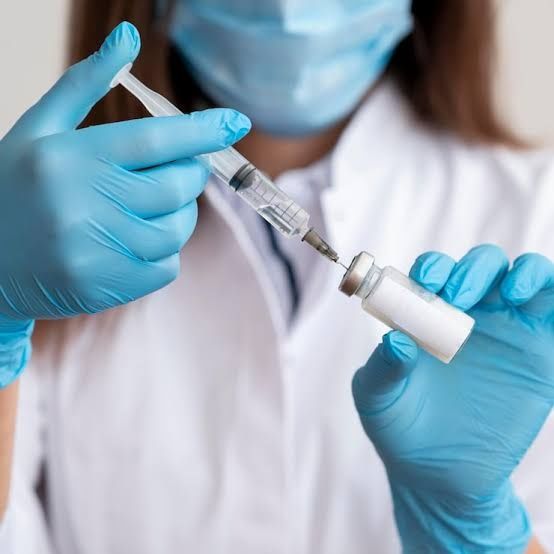
A healthcare worker in her twenties was detained by authorities in Seoul on July 7 after she injected herself with propofol, a potent anaesthetic, during her inaugural shift at a dermatology clinic located in the upscale Gangnam district. The incident marks another troubling chapter in South Korea's escalating struggle with prescription drug misuse within the medical sector, prompting renewed scrutiny of how controlled substances are secured and disposed of across healthcare facilities nationwide.
According to Seoul Gangnam Police Station, the woman discovered a discarded syringe containing the drug in a waste bin at the clinic and proceeded to administer it to herself. She was subsequently booked on suspicion of contravening the Narcotics Control Act, though she was released pending further investigation rather than being held in custody. Authorities are now examining whether this represented an isolated incident or reflects a pattern of habitual drug use by the suspect.
Propofol functions as a rapid-onset intravenous sedative employed to initiate anaesthesia during medical procedures. The substance carries significant health risks when misused, capable of triggering life-threatening complications and potential fatal outcomes. The fact that a new employee could locate and utilise the drug with such apparent ease underscores critical gaps in medical waste management and pharmaceutical security protocols at South Korean healthcare institutions.
For Malaysian observers, the incident serves as a cautionary reminder about challenges that transcend national borders. Southeast Asian healthcare systems, including Malaysia's, face similar vulnerabilities in pharmaceutical storage and disposal procedures. The ease with which controlled medications can be accessed from waste streams suggests that comprehensive audits of inventory management, staff training, and waste handling protocols may warrant prioritisation across the region's clinics and hospitals.
The case arrives at a particularly sensitive moment for South Korea, as the nation grapples with what experts characterise as a medical narcotic abuse crisis. Recent governmental data reveals a startling statistic: approximately 20.2 million South Korean citizens—equivalent to roughly four in every ten people in the country—received at least one prescription for a controlled analgesic or sedative during 2025. These figures, released in June by the Drug Ministry and the Korea Institute of Drug Safety and Risk Management, demonstrate the ubiquity of prescription narcotic use within the healthcare system.
This prevalence creates a paradoxical situation where the sheer volume of controlled substances circulating through clinics and hospitals simultaneously increases both legitimate medical access and opportunities for diversion and misuse. Medical professionals have become increasingly concerned that current regulatory frameworks do not adequately address the intersection of widespread prescription practices and the absence of sufficiently robust safeguards against unauthorised access.
Critics across South Korea's healthcare and regulatory sectors have intensified calls for comprehensive legislative reform targeting how medical narcotics are stored, managed, and ultimately discarded at treatment facilities. The propofol incident exemplifies a fundamental vulnerability: waste disposal protocols that do not eliminate the possibility of recovering usable quantities of controlled drugs represent an obvious security breach. Enhanced incineration requirements, chemical degradation procedures, and witnessed destruction protocols could substantially reduce such risks.
The broader context reveals that healthcare worker substance abuse constitutes a significant though often underreported dimension of the overall narcotic misuse problem. Unlike illicit drug users, medical professionals typically possess knowledge, access, and opportunity to obtain these substances in clinical settings. Early intervention programmes, mandatory screening for at-risk personnel, and peer support systems could address this challenge more effectively than purely punitive approaches.
For Malaysia and other Southeast Asian nations, the South Korean experience offers instructive lessons. As healthcare systems expand and prescription drug usage increases across the region, establishing robust governance frameworks for pharmaceutical management becomes increasingly important. This encompasses not only institutional procedures but also regulatory oversight, professional accountability mechanisms, and public health education initiatives designed to address misuse.
The Seoul incident also highlights the importance of environmental monitoring within healthcare facilities. Security systems that include surveillance of storage areas, restricted access protocols utilising biometric or badge-based authentication, and regular audits of pharmaceutical inventory could substantially mitigate risks. Waste management areas, often treated as lower-priority zones, require equivalent levels of security attention given their potential to conceal or enable drug diversion.
Regulatory bodies across Asia would benefit from developing standardised best practices for pharmaceutical security that can be adapted to local contexts and healthcare infrastructure capabilities. Sharing information about emerging abuse patterns and successful intervention strategies through regional health cooperation mechanisms could accelerate progress toward more effective solutions.
The investigation into the Seoul nurse assistant remains ongoing, with authorities determined to establish whether this represented opportunistic misuse or symptomatic of deeper problems within the clinic's operational procedures. Beyond the individual case, however, the incident has crystallised broader policy discussions about how to maintain the benefits of modern anaesthetic and analgesic medications whilst implementing governance structures sufficient to prevent diversion and abuse within and beyond the healthcare system.

