A high-profile South Korean chef operating a prestigious Michelin-starred establishment is confronting serious criminal charges after Seoul prosecutors sought a one-year prison sentence during a Monday court hearing. The case centres on the owner's practice of topping palate-cleansing sorbets with black ants as a deliberate culinary technique, allegedly intended to introduce sourness to the dish. The prosecution's aggressive stance underscores how strictly South Korean authorities now enforce food safety regulations, particularly in the fine dining sector where experimental gastronomy must still conform to stringent government-approved ingredient lists.
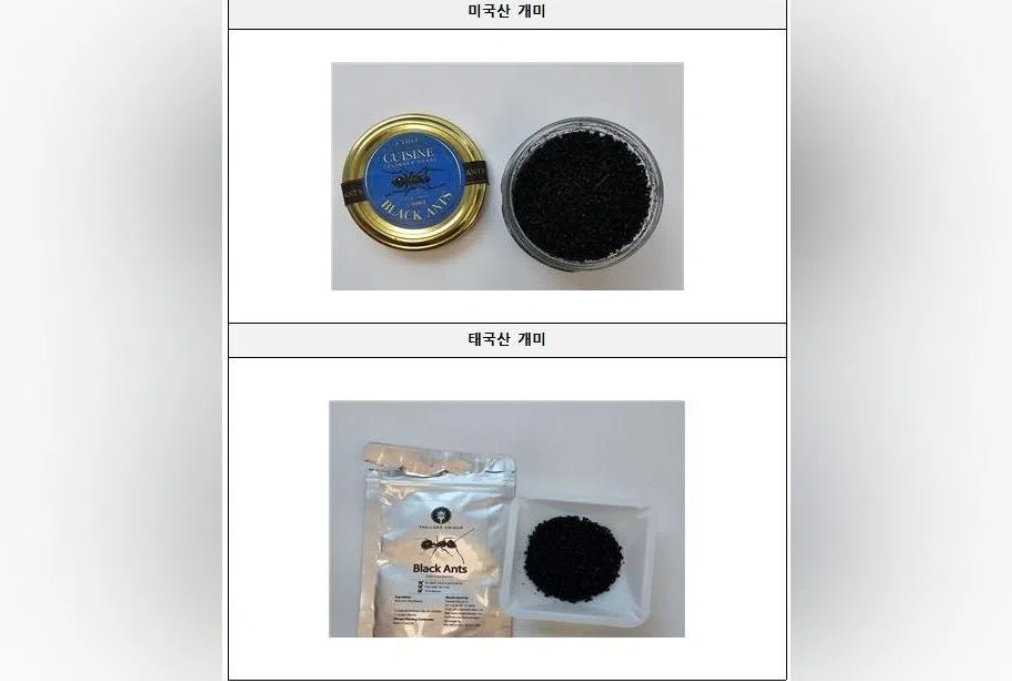
The restaurant in question holds two prestigious Michelin stars, placing it among the country's most celebrated culinary establishments. However, this prestigious standing has not shielded the owner from legal consequences. South Korean food safety authorities determined that the ants used were imported from Thailand and the United States, making them non-compliant with domestic regulations. The ministry statement released during the investigation revealed the methodical nature of the practice: the chef deliberately placed "three to five" ants atop individual sorbets to create a specific flavour profile.
South Korea maintains one of Asia's most restrictive approved insect consumption lists, recognising only ten species as safe for human food production. Grasshoppers and brown mealworm larvae occupy prominent positions on this carefully curated roster, reflecting both scientific safety assessments and cultural considerations around insect consumption. By this standard, black ants fall outside the permissible range, regardless of the chef's culinary intentions or the purity of the imported specimens. This regulatory framework represents a deliberate governmental choice to control which insects enter the food supply chain, even in establishments serving wealthy diners accustomed to adventurous dining.
The financial scale of the alleged violation provides context for the severity of the prosecution's response. Over nearly four years until January 2025, the ant-topped sorbets generated approximately 12,000 transactions valued at 120 million won, equivalent to approximately US$81,000. This figure suggests the practice was neither an isolated experimental mishap nor a one-off menu item, but rather an established offering that attracted sufficient customer interest to sustain repeated sales. Authorities uncovered evidence photographs showing industrial packaging labelled "Cuisine Black Ants" in sealed tins, indicating deliberate sourcing rather than accidental contamination.
The prosecution's request extends beyond imprisonment. Seoul prosecutors have asked the Seoul Western District Court to impose an additional 20 million won fine, effectively combining custodial and financial penalties. This dual-pronged approach reflects a determination to penalise both the deliberate nature of the violation and its commercial dimension. For restaurant proprietors across South Korea, the case signals that celebrity status and culinary prestige offer no exemption from food safety enforcement, potentially reshaping how fine dining establishments approach ingredient sourcing and experimental menu development.
The defendant's legal strategy centred on informed consumer consent, with lawyers arguing that ant-topped confections were served exclusively to diners who had explicitly agreed in advance. This defence attempted to reframe the violation as a matter of transparency and voluntary participation rather than deceptive or unsafe practice. However, prosecutors and the court appear to have prioritised regulatory compliance over questions of consumer autonomy. South Korean food safety law does not appear to permit exceptions based on advance customer notification, suggesting that compliance with approved ingredient lists remains non-negotiable regardless of diner awareness or enthusiasm.
In his closing statement, the defendant acknowledged the gravity of the situation while framing the incident as a regulatory misunderstanding rather than intentional wrongdoing. "I apologise for this incident, which arose from my failure to fully understand the relevant regulations," he reportedly stated, suggesting he had not fully grasped the scope of South Korea's insect consumption restrictions. This admission, whether strategic or genuine, highlights how fine dining practitioners may operate within information gaps regarding regulatory boundaries, particularly when experimenting with ingredients sourced internationally.
The case carries broader implications for Southeast Asian food standards and international culinary practice. As regions increasingly harmonise food safety regulations and cross-border ingredient trade expands, restaurants face mounting complexity in ensuring compliance across multiple jurisdictions. What remains legal in Thailand or the United States may violate South Korean food safety protocols, creating compliance challenges for chefs seeking to incorporate global ingredients into their menus. This regulatory fragmentation could influence how international culinary trends disseminate through Asia.
For Malaysia and other Southeast Asian nations, the South Korean prosecution offers instructive lessons about food safety enforcement priorities. While insect-based cuisine has gained traction in various Asian food cultures, regulatory frameworks determining which species qualify for human consumption vary significantly. Malaysian food authorities would likely face similar questions should a high-profile establishment serve unauthorised insects, regardless of culinary artistry or customer consent. The case demonstrates how food safety bureaucracies increasingly scrutinise fine dining establishments with the same rigour applied to mass-market food producers, reflecting broader public health governance trends.
The Seoul Western District Court is scheduled to deliver its ruling in early September, with the outcome likely to establish important precedent regarding chef liability for ingredient violations. Should the court uphold the prosecution's recommendations, it would represent a significant affirmation of regulatory authority over culinary experimentation, even within elite dining contexts. Conversely, any leniency would signal that courts recognise distinctions between small-scale experimental practices and systemic food safety threats. The decision will reverberate through Asia's fine dining community, influencing how chefs balance innovation against compliance.

