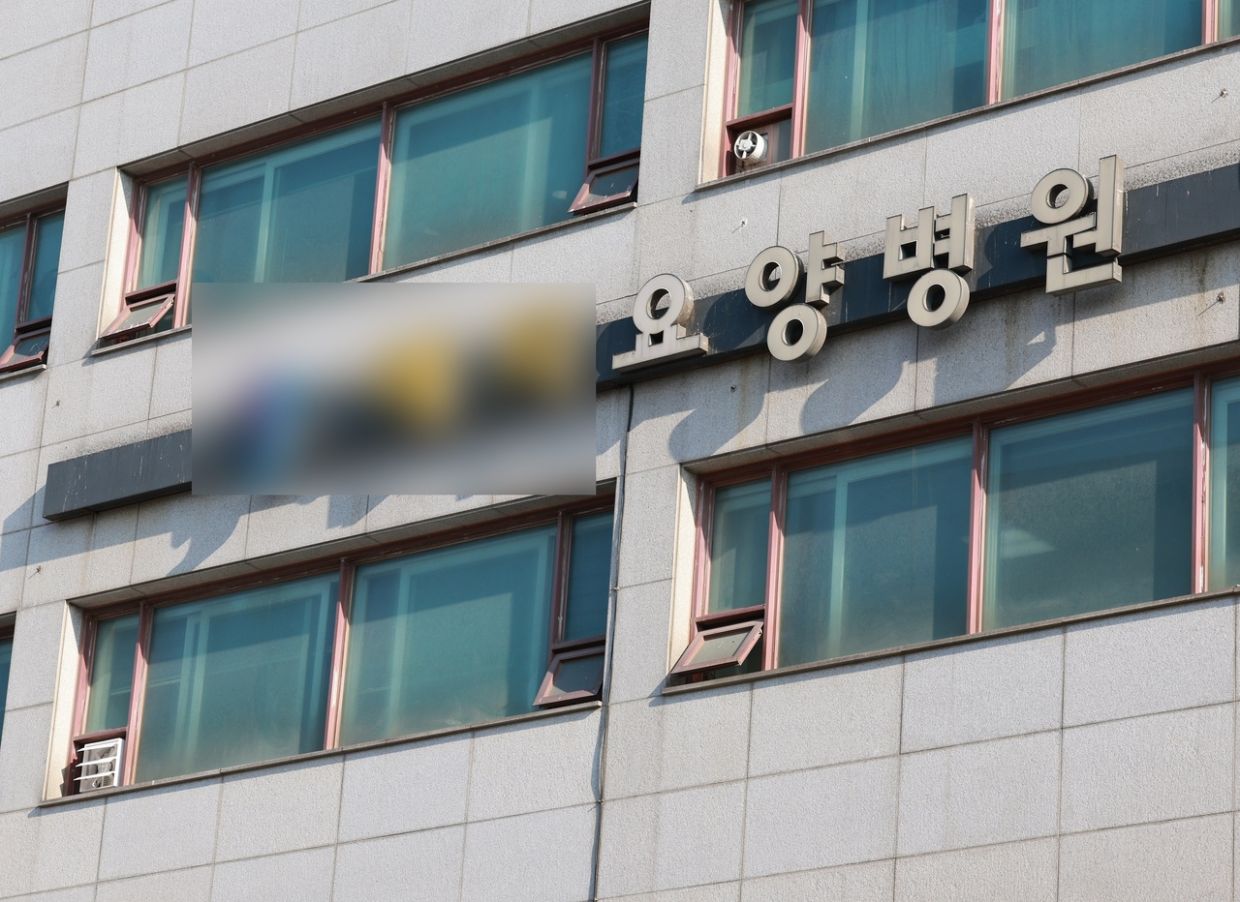
Authorities in Incheon, South Korea have confirmed that a human leg discovered at a recycling facility last week was inadvertently disposed of as general waste by a local nursing hospital, settling weeks of investigation into the unusual discovery. Officials at the Incheon Yeonsu Police Station announced on Friday, June 19, that the limb had been amputated from an elderly female patient in her 80s at a Jung-gu nursing hospital, resolving the circumstances surrounding the unexpected find.
The discovery occurred on June 10 when workers at the Southern Regional Resource Recovery Centre detected the severed leg at approximately 2.28 in the afternoon. The initial discovery prompted a formal police investigation to determine the origin and circumstances of the body part. The hospital had voluntarily reported the missing limb to authorities two days before the police confirmation, providing early clarity on what might otherwise have remained a disturbing mystery.
The sequence of events reveals a breakdown in medical waste handling protocols at the facility. Hospital staff had initially categorised the amputated limb as medical waste, as is standard procedure. However, a member of the cleaning team, described as being in his 60s, placed the leg into general waste bins and sent it to the recycling centre, apparently believing the severed limb came from a medical mannequin or training dummy. This miscategorisation highlighted potential lapses in staff training and waste segregation procedures at the medical institution.
Forensic analysis played a crucial role in confirming the limb's origin. The National Forensic Service first established that the leg belonged to an adult through preliminary examination. When Jung-gu hospital officials subsequently reported the incident to police, they indicated the limb likely originated from their facility. A follow-up DNA analysis by the NFS confirmed the leg matched genetic material from the elderly female patient, definitively establishing ownership and ending speculation about its origins.
Although investigators determined there was no evidence of criminal foul play or foul circumstances surrounding the amputation itself, the case has triggered scrutiny into whether the hospital violated South Korea's Wastes Control Act. The law stipulates that all medical waste must be disposed of separately in government-designated containers, a requirement that clearly was not met in this instance. Police are now examining whether the hospital and its staff complied with these mandatory disposal procedures when handling the amputated limb.
The investigation has expanded to include potential violations of the Medical Service Act regarding the amputation procedure itself. Allegations have emerged that the hospital in question may lack the necessary equipment and facilities to perform amputation procedures on patients, raising broader questions about the facility's credentials and licensing. If substantiated, such deficiencies could suggest the hospital exceeded its permitted scope of practice, a serious regulatory concern in South Korea's healthcare system.
For Malaysian readers, this case underscores the importance of rigorous medical waste management standards across Southeast Asia. Many hospitals in the region still grapple with inadequate waste segregation and disposal infrastructure, particularly in smaller healthcare facilities and nursing homes. The incident illustrates how seemingly minor procedural lapses can result in public health risks and regulatory breaches that extend beyond immediate patient safety concerns.
Police officials have indicated that determining appropriate criminal liability under the Medical Service Act remains uncertain, as relevant statutes may not contain explicit punishment provisions for the circumstances involved. Before reaching conclusions, investigators plan to consult with the Korean Medical Association, the Ministry of Health and Welfare, and legal experts. This consultation period reflects the complexity of applying existing healthcare legislation to novel situations involving both waste disposal violations and potential scope-of-practice concerns.
The patient's family context adds another dimension to the case. According to testimony provided to investigators, the elderly woman's relatives sought admission to the nursing home after other hospitals refused to accept her as her health deteriorated. This detail suggests the family faced limited options for her continued care, circumstances that may have constrained their ability to monitor treatment decisions closely. The incident raises questions about informed consent and family involvement in treatment decisions at facilities accepting patients with complex medical needs.
The broader implications for healthcare facility accountability remain significant. While forensic evidence conclusively ruled out criminality in the amputation procedure, the disposal breach exposed systemic vulnerabilities in how medical institutions handle sensitive waste. Hospitals throughout South Korea are likely reviewing their waste management protocols in light of this case, and regulatory bodies may consider tightening enforcement of existing disposal standards.
For nursing homes and smaller medical facilities in Southeast Asia, the case provides a cautionary lesson about staff training gaps. Even when medical waste is initially categorised correctly, subsequent handling by support staff must remain consistent with protocol. Many facilities operate with limited administrative oversight and minimal formal training for non-clinical personnel, creating opportunities for similar lapses. Investment in comprehensive waste management training should be considered essential rather than supplementary.
The investigation demonstrates that even developed nations with sophisticated regulatory frameworks encounter challenges in ensuring consistent compliance across all healthcare settings. As South Korea's authorities work through the legal analysis to determine appropriate consequences, similar inquiries may become more frequent in other countries if medical waste disposal standards receive increased scrutiny from public health advocates and environmental agencies.

