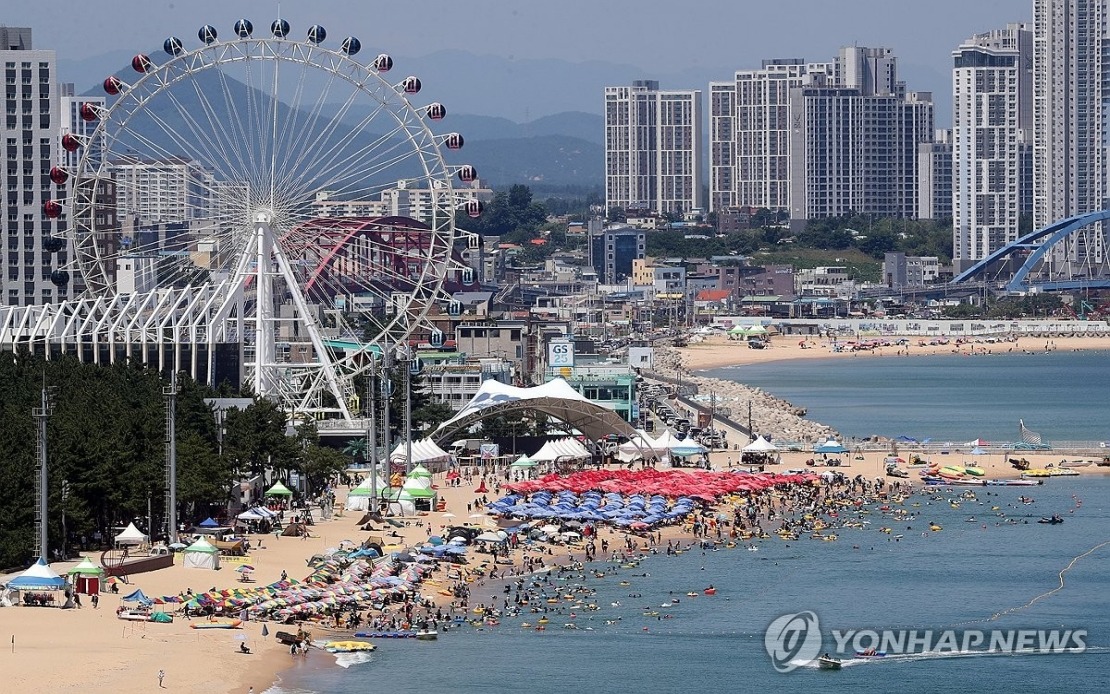
South Korea is enduring an unprecedented heat emergency, with the Korea Meteorological Administration confirming that temperatures climbed to a historic 42.5°C in the southeastern city of Yangsan on Sunday afternoon. The reading, documented at 1:26 p.m., represents the most extreme heat measurement since systematic weather observation began on the Korean Peninsula more than a century ago. This singular data point reflects a broader and increasingly alarming climatic trend affecting not only South Korea but much of Southeast Asia, signalling a troubling pattern that regional governments and environmental specialists are struggling to address.
Yangsan, positioned roughly 310 kilometres southeast of Seoul, witnessed rapid temperature escalation throughout the day. The mercury first crossed the psychologically significant 40°C threshold at 1:16 p.m., only to climb further in the following ten minutes. Such swift increases underscore the severity and intensity of the ongoing weather system battering the region. The Korea Meteorological Administration, drawing on observations from 97 long-term monitoring stations distributed across the peninsula, confirmed that no comparable temperature had been recorded in the 120 years of modern meteorological record-keeping.
The alarming aspect of this heat emergency extends beyond the single extreme reading. Yangsan has now experienced five consecutive days with temperatures exceeding 40°C, indicating that extreme conditions are not aberrations but rather part of an intensifying pattern. Weather analysts expressed particular concern about the timing of temperature peaks, noting that the hour at which the mercury crosses 40°C has been progressively earlier with each passing day. This phenomenon suggests the heat continues accumulating rather than dissipating, raising the ominous prospect that readings could potentially exceed 43°C if current trends persist.
Other parts of the country's southeastern region are also struggling with dangerous heat conditions. Gyeongju, situated approximately 240 kilometres from the capital, recorded 40.2°C by mid-afternoon, marking a significant milestone as the first time this year that the city has experienced such extreme temperatures. While 40.2°C may appear marginal when compared to Yangsan's record, the context amplifies its significance: Gyeongju had not reached 40°C since 2018, when the mercury peaked at 39.8°C. The eight-year interval between such extreme events has now collapsed into days, illustrating how dramatically weather patterns in the region are shifting towards greater intensity and frequency.
For Malaysian and Southeast Asian observers, the South Korean experience carries important implications. The region shares similar geographic and climatic characteristics, with many areas vulnerable to tropical heat and humidity that can exceed even these record-breaking Korean temperatures. However, the infrastructure response mechanisms, early warning systems, and coordinated emergency protocols that South Korea is deploying offer valuable comparative lessons for national governments across Southeast Asia concerned about escalating heat-related public health crises.
In response to the escalating emergency, South Korea's government machinery shifted into high alert. The government formally activated a "Level 2" emergency operation of its disaster response headquarters at 1 p.m., signalling the seriousness with which authorities are treating the situation. This designation represents the midpoint of the nation's emergency response scale, indicating that standard protocols are insufficient and enhanced coordination is required across all government agencies. Prime Minister Han Seong-sook issued direct emergency orders to all relevant ministries and provincial administrations, with instructions to intensify protective measures for vulnerable populations, particularly the elderly, outdoor workers, and those with pre-existing health conditions.
The government's advisory guidance to the general public emphasised two central themes: minimisation of outdoor exposure and strict adherence to heat safety protocols. Citizens were explicitly advised to avoid unnecessary time outside, particularly during the hottest hours of the day, and to implement protective behaviours such as maintaining hydration, wearing light clothing, and seeking air-conditioned shelter when possible. These communications reflect an understanding that extreme heat poses genuine mortality risk, particularly when prolonged.
Ensuring stable supply of critical utilities emerged as another priority. Prime Minister Han's orders specifically mandated attention to maintaining uninterrupted electricity and water supplies. The rationale reflects South Korea's experience with previous heat emergencies: widespread power cuts exacerbate heat vulnerability by eliminating cooling capacity precisely when needed most, potentially triggering cascading crises. Similarly, water supply interruptions prevent basic heat mitigation strategies such as cooling showers. These infrastructure concerns have become frontline emergency management issues in an era of extreme weather.
The meteorological significance of this event extends beyond national boundaries. South Korea's heat wave forms part of broader atmospheric and climatic patterns affecting the wider Asian region. The timing coincides with reported extreme heat conditions affecting other parts of East and Southeast Asia, suggesting a large-scale weather system or broader climatic shift driving temperatures upward across multiple countries simultaneously. Understanding these interconnected patterns is essential for regional cooperation on climate adaptation and disaster preparedness.
Scientifically, the achievement of a 42.5°C reading in a developed nation with sophisticated meteorological infrastructure provides reliable documentation of extreme heat phenomena. Unlike temperature records from less densely monitored regions, South Korea's reading comes verified through established protocols and multiple monitoring stations, lending credibility to discussions about accelerating heat extremes. Climate researchers are likely to scrutinise this event as evidence supporting projections that extreme temperatures previously considered rare will become more frequent in coming decades.
The psychological and social dimensions of this record merit consideration. Breaking a 120-year temperature record generates significant public attention and can galvanise policy conversations about climate change adaptation. In South Korea, particularly among younger generations, such events reinforce the tangible reality of climate impacts and may influence attitudes toward energy consumption, urban planning, and environmental policy. The willingness of government to declare emergency status and issue direct orders suggests recognition that traditional advisory approaches may prove insufficient for phenomena of this magnitude.
Looking forward, the critical question is whether this represents a temporary extreme event or signals a new climatic regime for the Korean Peninsula. The escalating pattern—with progressively earlier crossing of temperature thresholds and multiple successive days above 40°C—suggests the latter. Policymakers across Southeast Asia, where many populations have less access to cooling infrastructure and air-conditioning than South Korea, must observe these developments carefully. The regional implications are substantial: if East Asian heat patterns are shifting towards greater extremity, similar pressures will inevitably affect Southeast Asian nations, potentially straining already vulnerable health systems and agricultural sectors.

