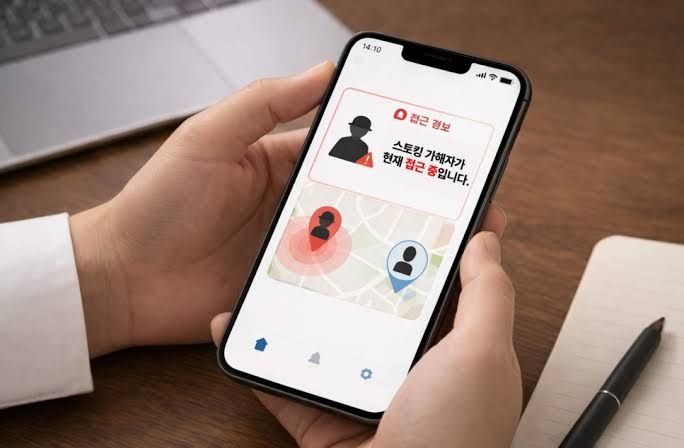
South Korea has taken a significant step toward strengthening victim protections by launching a sophisticated mobile monitoring system on June 24. The initiative, managed by the Ministry of Justice through a dedicated application, grants stalking victims direct access to real-time location data of individuals suspected of harassment who have been ordered to wear electronic ankle monitors. This technological approach represents an effort to modernize South Korea's response to an escalating social problem that has proven resistant to conventional enforcement strategies.
The digital platform enables victims to monitor not only where a suspected stalker is positioned but also the direction in which they are moving, providing a dynamic situational awareness that passive alert systems cannot deliver. Rather than relying solely on notifications triggered when a monitor enters a restricted zone, victims now possess active surveillance capabilities that potentially allow them to adjust their own behaviour and movements proactively. This shift from reactive to proactive victim engagement reflects a broader recognition that traditional protective measures have fallen short of meaningful security outcomes.
The government's rationale for introducing this system stems from documented inadequacies in South Korea's existing anti-stalking framework. Representative Lee Gwang-hee of the ruling Democratic Party of Korea highlighted a sobering statistic: between 2021 and August 2025, twenty-three stalking victims were either killed or became targets of attempted murder despite having already received emergency alert devices. This grim track record demonstrates that providing victims with communication tools—smartwatch-type devices that had been distributed for years—has proved insufficient as a standalone protective mechanism. The persistence of fatal outcomes despite these interventions created political and public pressure for more robust solutions.
Electronic monitoring of suspects emerged relatively recently within South Korea's stalking prevention framework. Only since 2024 have courts been empowered to order electronic ankle monitors in particularly high-risk stalking cases, representing a judicial escalation beyond the emergency devices issued to vulnerable victims. This sequential layering of technologies—first victim-owned alert devices, then suspect-worn monitors, and now victim-accessed location tracking—demonstrates an evolving policy approach shaped by evidence of shortcomings at each previous level. However, the introduction of suspect tracking raised immediate concerns about balancing victim safety with the privacy rights of individuals awaiting trial or serving sentences.
Addressing these privacy considerations, South Korea's Justice Ministry undertook a regulatory revision in December 2025 to establish clear parameters governing how and when location data could be accessed and shared. This calibration suggests a recognition that blanket surveillance of suspects, even those under electronic monitoring, could face legal and constitutional challenges without proper safeguards. The regulations likely specify which categories of victims qualify for access, under what circumstances data can be shared, and what restrictions apply to how victims may use location information. These guardrails are essential for sustaining the system's legitimacy in a society increasingly sensitive to surveillance ethics.
The implications of South Korea's approach extend beyond its borders, particularly for Southeast Asian nations grappling with similar challenges around stalking and harassment. Malaysia, like many regional economies experiencing rapid urbanization and digital adoption, faces mounting concerns about stalking and intimate partner violence. South Korea's experience—demonstrating both the necessity of technological solutions and the complexity of implementing them responsibly—offers instructive lessons about the limitations of piecemeal policy responses. A single protective measure, no matter how well-intentioned, often proves insufficient when social dynamics driving stalking behaviour remain unaddressed.
Looking ahead, South Korea's Justice Ministry has signalled further systemic reform. Beginning in April 2027, the ministry intends to introduce a mechanism allowing stalking victims to petition courts directly for restraining orders without requiring law enforcement agencies to serve as intermediaries. This administrative change may appear procedural, but it carries significant implications for victim empowerment and access to justice. Removing police from the petition pathway could accelerate responses, reduce bureaucratic friction, and grant victims greater agency in their own protection. However, it also shifts responsibility and potential liability, raising questions about how courts will manage a potentially large volume of direct applications and whether victims will have adequate access to legal assistance in framing their petitions.
The South Korean government's multifaceted approach—combining technology, judicial process, and regulatory oversight—reflects a maturing recognition that stalking constitutes a complex social problem requiring coordination across multiple institutional domains. Electronic monitors and location-tracking applications serve as tools, not solutions. Their effectiveness ultimately depends on consistent judicial use, proper training of enforcement personnel, victim awareness and education, and complementary interventions addressing the root drivers of stalking behaviour, including social attitudes toward boundaries and consent.
For Malaysian policymakers and advocates working on victim protection, South Korea's experience underscores both opportunities and cautions. Real-time tracking technology offers genuine protective value, yet implementation demands careful attention to legal frameworks, privacy protections, and victim support services. The South Korean model suggests that sustainable victim protection emerges not from isolated technological interventions but from comprehensive strategies that include accessible legal remedies, victim agency, suspect accountability, and public education. As Malaysia and other Southeast Asian nations consider strengthening anti-stalking frameworks, South Korea's evolving approach—with its documented successes and acknowledged shortcomings—provides valuable data points for tailoring solutions to regional contexts and cultural values.

