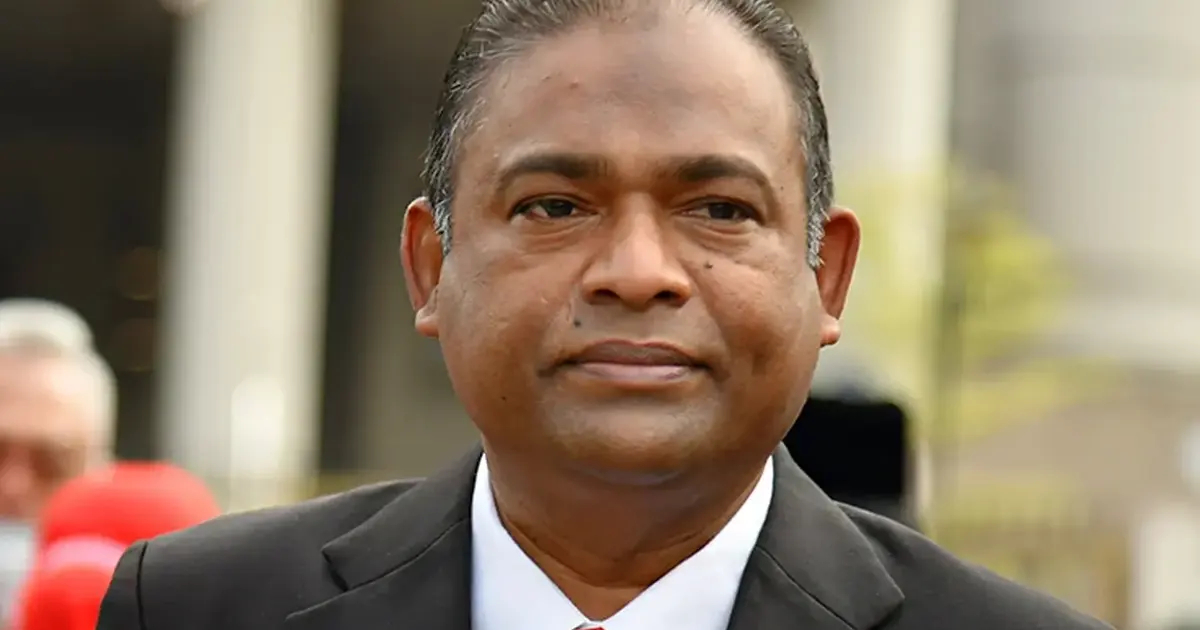
The family of Abdul Azeez Abdul Rahim, the former chairman of Tabung Haji and ex-MP for Baling, moved to extinguish unfounded speculation on social media on Thursday when his son categorically stated that his father has not been taken into custody by the Malaysian Anti-Corruption Commission. The public clarification came as baseless rumours regarding a potential arrest had gained significant traction across various online platforms overnight, prompting the family to intervene and set the record straight.
Misinformation spread through social media remains a persistent challenge in Malaysia's public discourse, particularly when it concerns political figures and government-linked institutions. The rapid dissemination of unverified claims about arrests or legal action can cause reputational damage and create unnecessary public alarm. In this instance, the family chose to address the speculation head-on rather than allow it to proliferate unchecked, demonstrating how close associates of public figures often find themselves compelled to counter viral narratives.
Abdul Azeez Abdul Rahim served as chairman of Tabung Haji, the Islamic pilgrimage fund that manages investments and savings for Malaysian Muslims intending to perform the hajj. The position carries considerable public visibility, given the organisation's role in handling funds belonging to millions of Malaysian contributors. His previous tenure as MP for Baling, a constituency in Kedah, further entrenched his profile in the public consciousness. Any suggestion of legal entanglement involving such a figure naturally captures public attention.
The Malaysian Anti-Corruption Commission, or MACC, has intensified its oversight of government-linked companies and agencies in recent years. Multiple high-profile investigations into public bodies have resulted in charges and convictions, creating an environment where citizens readily believe reports of arrests when they emerge. This background makes clarifications from family members particularly necessary, as the public may be primed to accept such narratives without seeking verification.
The episode underscores the challenges that public figures and their families face in the age of instant digital communication. A rumour with no factual basis can spread across numerous platforms within hours, reaching hundreds of thousands of people before traditional media outlets have an opportunity to verify the claim. By the time a denial is issued, the false narrative has already taken root in many minds, and some portions of the audience may never encounter the correction.
Social media platforms in Malaysia, as elsewhere, often serve as incubators for unverified information. Without effective gatekeeping mechanisms or user verification, anyone can generate and amplify claims that purport to describe breaking news events. Political figures, former officials, and their families have become accustomed to defending themselves against such allegations, yet each incident reinforces the broader problem of information reliability in digital spaces.
The timing and specificity of such rumours often warrant examination. Claims about arrests typically emerge during periods when related institutions face scrutiny or when particular individuals have been subjects of public discussion. Understanding the ecosystem within which false reports circulate can help observers identify patterns and assess credibility. In this case, the rapid family response suggests the rumour held sufficient plausibility or reach that intervention became necessary.
Tabung Haji itself has faced public scrutiny and governance questions in recent years, with discussions about fund management and operational transparency occasionally surfacing in media coverage. When figures associated with such organisations become subjects of rumour, the institutional context can lend apparent credibility to otherwise baseless claims. The family's denial, therefore, serves not only to protect Abdul Azeez Abdul Rahim's personal reputation but also to prevent the rumour from reflecting negatively on the institution he previously led.
For Malaysian readers and observers of public affairs, this incident illustrates the importance of source verification before accepting or sharing news claims, particularly those originating from social media. The gap between rumour and fact remains significant, and institutional actors—whether individuals, families, or organisations—often find themselves compelled to issue clarifications that would ideally be unnecessary if information hygiene were stronger across digital platforms. Moving forward, the challenge for Malaysian society lies in developing more robust mechanisms for distinguishing credible reporting from speculation.

