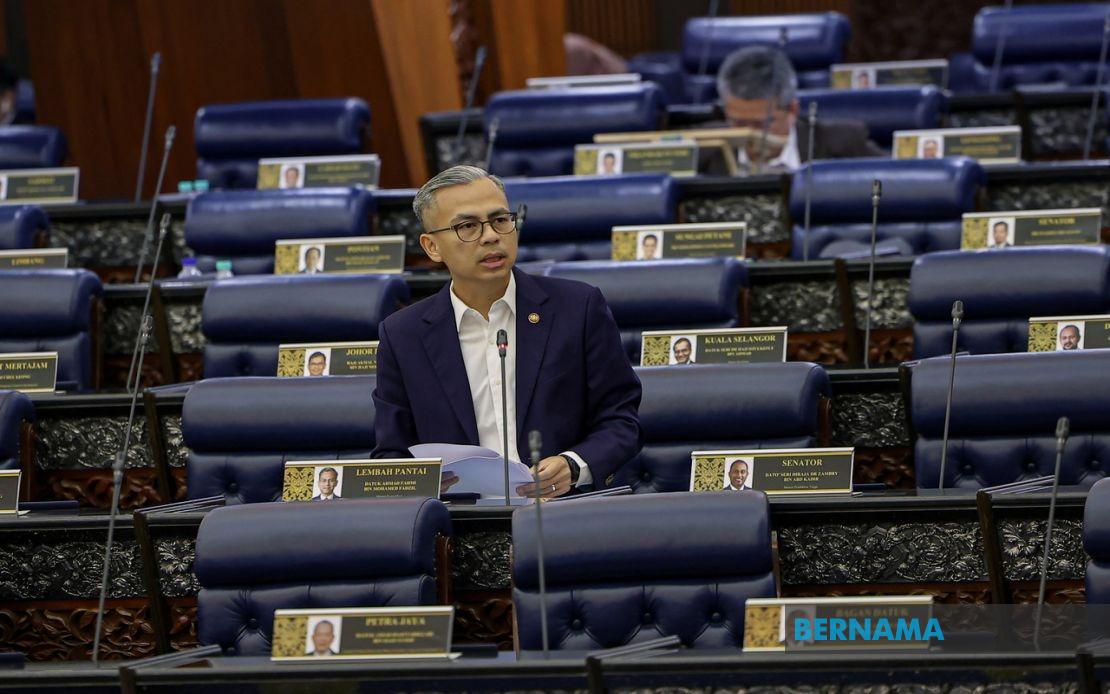
Social media platforms operating in Malaysia are now confronting substantial financial consequences if they neglect to enforce age-verification safeguards mandated under the Online Safety Act 2025. Communications Minister Datuk Fahmi Fadzil informed parliament that licensed service providers failing to comply with age-verification provisions face penalties reaching RM10 million, representing a significant escalation in regulatory enforcement aimed at protecting younger users from inappropriate content.
The Malaysian Communications and Multimedia Commission possesses the statutory authority to dispatch non-compliance notices to application service providers that breach their obligations under Part III of the legislation. Once served, these notices require licensed operators to either settle the prescribed financial penalty or lodge formal representations with MCMC requesting reconsideration of the enforcement action. This dual-pathway approach provides platforms a mechanism to contest preliminary findings before penalties become final, though ultimately it places the burden on companies to demonstrate legitimate grounds for non-compliance.
Beyond the headline RM10 million ceiling, the regulatory framework imposes additional punitive measures for persistent violations. Section 30 of the Act empowers MCMC to issue written directives regarding compliance with any provision of the legislation. Deliberate or negligent failure to adhere to such directives constitutes a criminal offence punishable by fines up to RM1 million, with cumulative daily penalties of RM100,000 accruing for each day the violation persists following conviction. This tiered penalty structure effectively multiplies financial exposure for companies that continue non-compliance despite formal warnings.
The government's commitment to age verification extends beyond enforcement mechanisms. Since January, Malaysia has engaged major social media platforms through a regulatory sandbox initiative designed to facilitate constructive dialogue about implementing verification technologies. These engagement sessions, numbering more than thirty conducted either collectively or on an individual platform basis, acknowledge that technology companies face distinct operational and business challenges when deploying age-verification systems. The sandbox approach reflects a recognition that enforcement alone proves insufficient without collaborative discussion of implementation pathways.
Malaysia's adoption of age-verification requirements aligns with precedents established across more than twenty-five countries worldwide, lending the policy both international legitimacy and practical reference points for implementation. This global context suggests Malaysia joins a broader regulatory movement responding to documented concerns about digital platform access by children and adolescents. The government's positioning as a follower of established international practice, rather than a pioneer, may ease platform compliance by allowing companies to adapt existing technological solutions already deployed elsewhere.
The regulatory development specifically responds to parliamentary questioning about enforcement mechanisms and compliance verification. Syahredzan Johan, Member of Parliament for Bangi, raised concerns about ensuring social media companies genuinely implement age-verification requirements and what consequences platforms would face for persistent non-compliance. The detailed ministerial response indicates parliamentary interest in concrete penalties and enforcement infrastructure, suggesting legislative scrutiny will accompany regulatory implementation.
For Malaysian users and parents, these enforcement provisions represent substantive attempts to restrict unrestricted youth access to social media platforms without age-appropriate safeguards. The financial penalties create genuine deterrents against casual non-compliance, distinguishing this regulatory regime from voluntary guidelines that platforms might circumvent without consequence. However, the effectiveness ultimately depends on MCMC's capacity to identify violations and initiate enforcement action, a surveillance and administrative challenge that should not be underestimated.
The implementation timeline remains fluid, with the government acknowledging that each platform faces distinct technical and operational obstacles. Some companies may require months to develop verification systems compatible with their existing infrastructure, while others might deploy solutions more rapidly. The regulatory sandbox environment allows this differential adjustment without immediately triggering enforcement actions, though platforms will eventually face binding compliance deadlines determined by MCMC directive.
From a regional perspective, Malaysia's approach may influence neighbouring Southeast Asian nations grappling with similar questions about child safety and platform regulation. Thailand, Indonesia, and Singapore face analogous pressures to protect younger users while maintaining digital innovation and business-friendly environments. Malaysia's experience implementing age-verification requirements could generate valuable lessons about technical feasibility, user experience impacts, and platform compliance costs that other regional regulators monitor closely.
The regulatory framework raises important questions about verification method effectiveness and user privacy implications. Age-verification systems require platforms to collect, process, and store personal identity information, creating potential privacy risks that regulators must carefully balance against child protection objectives. Malaysia's regulatory approach does not yet specify which verification methodologies MCMC considers acceptable, leaving platforms and privacy advocates uncertain whether biometric systems, government database linkages, or alternative approaches will satisfy compliance requirements.
Business implications extend beyond financial penalties to operational costs and competitive positioning. Smaller or emerging platforms may struggle to implement sophisticated age-verification infrastructure cost-effectively, potentially creating competitive advantages for established technology giants with substantial engineering resources. This regulatory asymmetry warrants monitoring by competition authorities concerned about market concentration in the social media sector.
Compliance timelines and MCMC's enforcement capacity will ultimately determine whether age-verification requirements become effectively universal or remain irregularly enforced. The regulatory sandbox discussions continuing through mid-year will likely clarify both platform obligations and implementation timelines. Companies that perceive enforcement as unlikely or delayed may deprioritise compliance investment, potentially requiring escalated regulatory responses if initial compliance rates prove disappointing.

