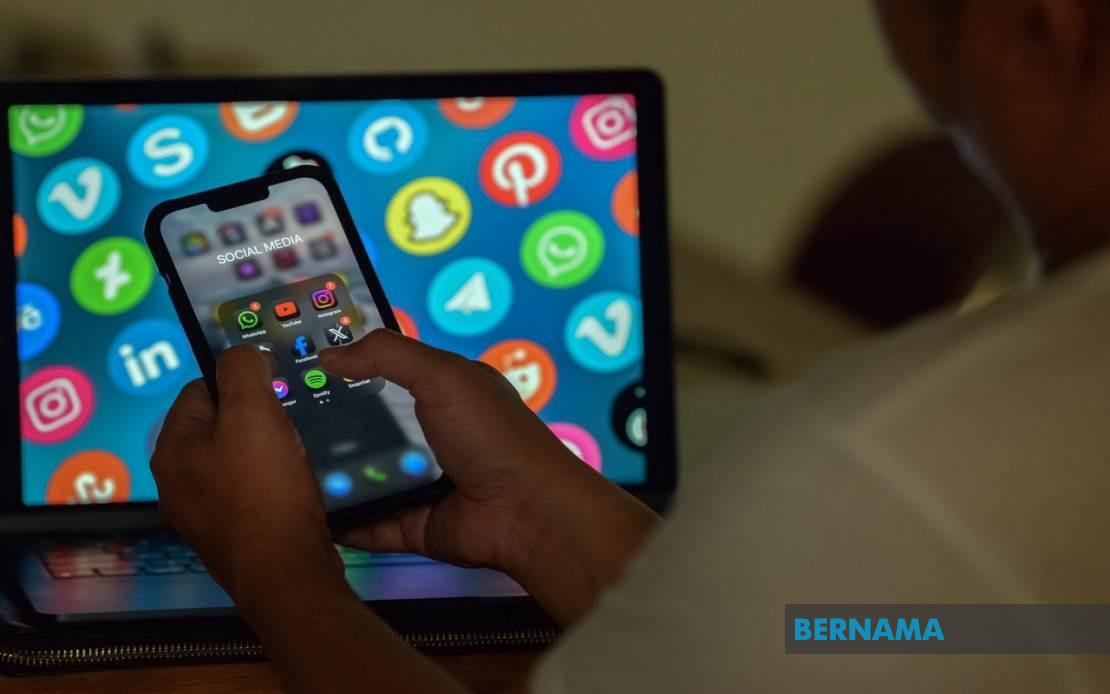
The upcoming Negeri Sembilan state election on August 1 is shaping up as a digital-first campaign, with candidates from all major coalitions—Pakatan Harapan, Barisan Nasional and Perikatan Nasional—abandoning traditional campaign methods in favour of aggressive social media strategies. The shift reflects a broader transformation in Malaysian electoral politics, where online engagement has become as crucial as ground operations in winning voters' hearts and minds across the state's 889,490 registered electorate.
The digital campaign landscape reveals a sophisticated understanding of voter behaviour segmented by generational lines. Pakatan Harapan, Barisan Nasional and Perikatan Nasional candidates have calibrated their online presence strategically, recognising that Baby Boomers, Generation X and Millennials remain most active on Facebook and YouTube, while younger voters, particularly Generation Z, congregate on TikTok, Threads and Instagram. This demographic-driven approach ensures campaign messages reach audiences through channels they naturally frequent, maximising engagement without alienating voters across the age spectrum.
The sophistication of these digital strategies extends beyond simple presence-building. Candidates are deploying multifaceted content ecosystems featuring infographics that distil complex policy platforms into digestible visual formats, timely responses to pressing community issues, daily campaign diaries, casual behind-the-scenes footage and livestreamed events. This multimedia approach serves to humanise candidates while simultaneously addressing voter concerns in real time, creating an impression of accessibility and responsiveness that traditional campaigning struggles to replicate.
The rise of short-form video content represents perhaps the most striking departure from conventional electoral tactics. Rather than delivering lengthy stump speeches, candidates now produce Point of View clips, leverage trending audio tracks and share behind-the-scenes footage that appeals particularly to younger audiences. This format evolution acknowledges that voter attention spans in the digital age are fragmented, and that entertainment value often drives engagement more effectively than policy substance alone.
Menteri Besar Datuk Seri Aminuddin Harun, the Pakatan Harapan candidate for Linggi, exemplifies this modern campaigning approach. His social media output chronicles his daily activities—from performing dawn prayers to sharing breakfast with residents—deliberately curating an image of a leader embedded within community life rather than distant from it. These intimate moments, often captured on motorcycle rides through his constituency, project accessibility while reinforcing messages of service and community connection that resonate across generational boundaries.
Other Pakatan Harapan candidates have adopted similarly creative strategies tailored to their individual strengths and constituencies. Ahmad Shahir Mohd Shah, popularly known as Ustaz Shahir and contesting Paroi, has leveraged social media to articulate a vision of transforming his constituency into a competitive and prosperous entity, while Dr Azizul Hakim Mahdi, the medical practitioner standing for Rantau, has integrated his professional expertise into his campaign by conducting free health screenings for senior citizens and documenting community health initiatives. These approaches illustrate how candidates are weaponising their individual credentials and competencies within digital spaces.
The Barisan Nasional coalition has equally embraced digital campaigning, with candidates such as Datuk Seri Mohamad Hasan and Datuk Seri Jalaluddin Alias, both representing Rantau and Pertang respectively, utilising social media platforms to showcase campaign activities and foster direct voter engagement. This indicates that traditional parties, often criticised for slower digital adoption, are recognising the necessity of maintaining parity with more nimble political competitors in the online sphere.
Perikatan Nasional and its affiliated parties, alongside smaller players such as Parti Pribumi Bersatu Malaysia, Parti Orang Asli Malaysia, Parti Sosialis Malaysia and Barisan Jemaah Islamiah Se-Malaysia, have similarly embraced social media campaigning. Even independent candidates are leveraging these platforms to disseminate their election pledges and build voter bases, indicating that digital outreach has become a baseline expectation across the entire political spectrum rather than a competitive differentiator.
The reliance on social media carries broader implications for Malaysian electoral dynamics. It represents a democratisation of campaign reach—candidates with limited financial resources can now build substantial followings through creative content rather than expensive television advertisements. However, this shift also raises questions about information verification, the spread of misinformation and the creation of echo chambers where voters encounter only politically aligned content. The absence of traditional media gatekeeping means voters must independently assess candidate claims and campaign promises.
For Malaysia more broadly, the Negeri Sembilan campaign signals the maturation of digital electioneering as standard practice rather than experimental innovation. As younger voters comprise an increasingly significant portion of the electorate, political parties that fail to master social media engagement risk becoming irrelevant to the very demographic most likely to determine electoral outcomes in coming years. The integration of platform-specific content strategies suggests that parties now understand digital campaigning requires genuine creativity and cultural literacy rather than simply uploading speeches.
Early voting commenced on July 28, allowing candidates a final week to intensify their digital campaigns and mobilise supporters. The August 1 polling day will ultimately reveal whether social media engagement translates into actual electoral advantage, or whether traditional ground operations and voter trust remain decisive. Regardless of outcome, the Negeri Sembilan election has firmly established that Malaysian politics operates in a digital-first environment where candidates ignore social media at their peril.

