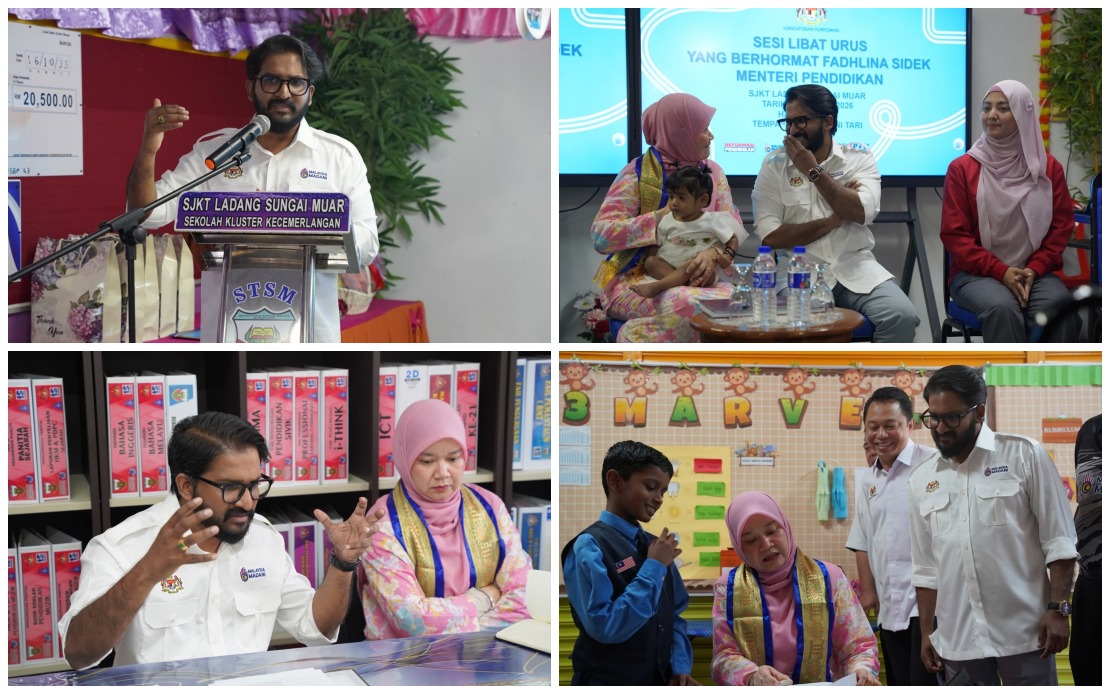
The relocation of Sekolah Jenis Kebangsaan Tamil (SJKT) Ladang Sungai Muar in Segamat, Johor, has entered a critical administrative stage focused on securing appropriate land for the institution's new campus. The Segamat Land and Mines Office is coordinating this phase of the project, which gained fresh momentum following an engagement session with the school community that drew attendance from Education Minister Fadhlina Sidek on July 3.
Segamat Member of Parliament R. Yuneswaran, who has championed the relocation initiative since his election in 2022, highlighted the significance of ministerial involvement in advancing the proposal. The presence of Fadhlina at the session underscores the Education Ministry's willingness to address infrastructure and safety concerns facing Tamil-medium educational institutions in Johor, a state where such schools serve significant minority communities.
Yuneswaran has consistently raised three interconnected challenges justifying the relocation: safety risks at the current campus location, geographical isolation from the broader Segamat community, and insufficient infrastructure to support quality learning. These concerns reflect broader patterns across Malaysia where some vernacular schools operate in suboptimal physical environments, limiting student access to modern facilities and community integration. The relocation represents an opportunity to remedy these longstanding deficiencies.
The MADANI administration has framed education improvements as a cornerstone policy priority, making this project emblematic of stated government intentions. By moving the school to a purpose-built facility in a more accessible location, the government signals commitment to equitable educational access across different linguistic and cultural communities. For Tamil-medium schooling in particular, which faces declining enrolments nationally, demonstrating tangible government support through infrastructure investment carries symbolic and practical importance.
The land ownership stage involves complex administrative procedures including identification of suitable parcels, valuation, acquisition, and transfer of title. The Segamat Land and Mines Office's role is pivotal in navigating these bureaucratic requirements and ensuring compliance with land regulations. Such processes typically require coordination across multiple government departments, necessitating sustained oversight to prevent delays that commonly plague long-term infrastructure projects in Malaysia.
Yuneswaran's commitment to monitor developments reflects the personal political investment many MPs make in constituency-level projects, particularly those addressing safety and educational quality. Sustained parliamentary attention often accelerates implementation by maintaining administrative focus and providing ministerial pressure when bottlenecks emerge. The MP's willingness to follow the matter through completion suggests confidence in eventual success, though land acquisition projects remain vulnerable to unexpected complications.
The engagement session itself represents a consultative approach increasingly expected in Malaysian educational policy. Involving school leadership, parents, and community stakeholders in discussions about relocation generates buy-in and allows identification of community-specific needs the new campus should address. For SJKT Ladang Sungai Muar, this may include cultural facilities, expanded sports and recreational areas, and improved accessibility—elements that strengthen schools' roles as community anchors.
From a regional perspective, the SJKT relocation demonstrates how Southeast Asian nations address educational equity for minority language communities. Malaysia's vernacular school system, unique in the region, requires continuous investment to remain viable and relevant. Current initiatives like this one suggest policy willingness to upgrade physical infrastructure, though critics argue such improvements should extend more systematically across the entire Tamil and Chinese primary school network.
The timeline for completion remains uncertain, as the land ownership stage can extend beyond initial expectations depending on property availability, negotiations with current landholders, and funding allocations. Nevertheless, the advancement to this concrete phase indicates the proposal has survived preliminary hurdles and now requires technical execution rather than policy consensus. For Segamat's Tamil-speaking families, the relocation promise offers hope that their children will eventually access educational facilities matching those serving Malay-medium institutions.
Successful completion of this relocation would establish precedent for addressing similar infrastructure deficiencies in other underserved Tamil schools throughout Johor and beyond. The project thus carries implications extending beyond Segamat, potentially influencing whether the government pursues comparable initiatives elsewhere. Educational infrastructure improvements in underrepresented communities often yield returns beyond immediate classroom benefits, strengthening community confidence in state commitment to inclusive development.

