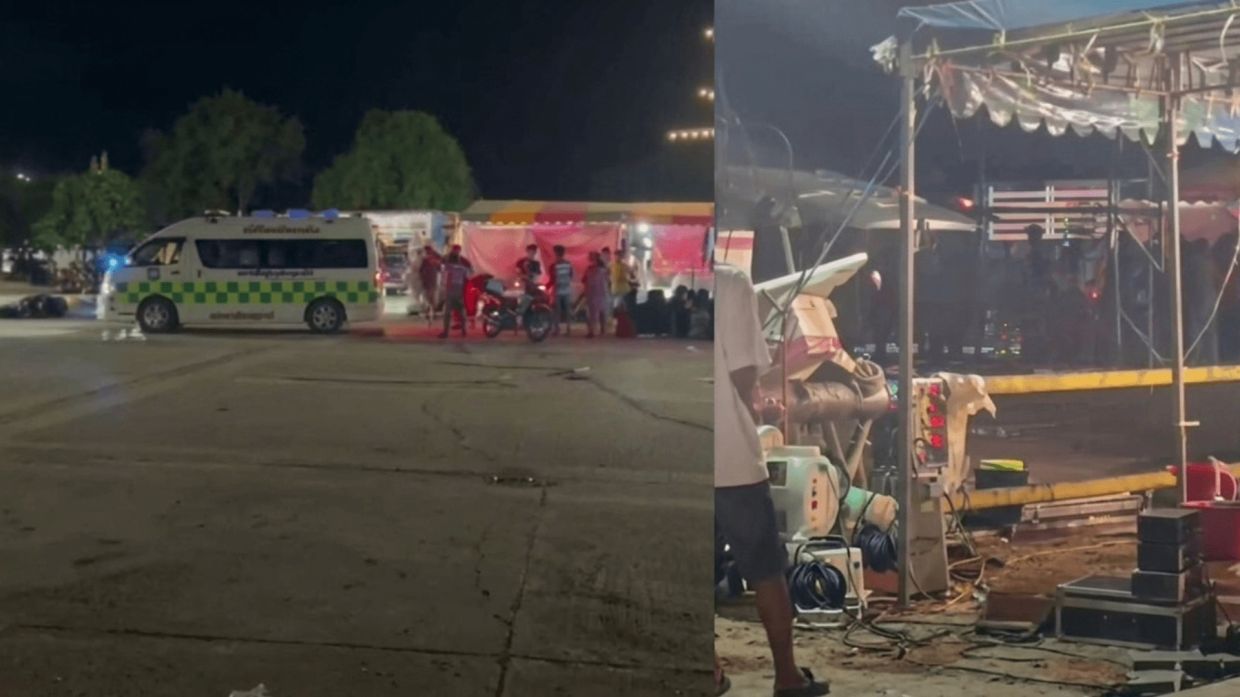
Six people sustained injuries during an armed assault at a shopping fair in Dan Khun Thot district, Nakhon Ratchasima province in Thailand's northeastern region, on Wednesday night. The incident at the "Chim Shop Chai" event unfolded around 10.30pm as vendors were closing their stalls and preparing to leave the grounds. According to Prakob Patin, who organised the fair, the attack involved multiple assailants wielding both knives and a homemade firearm, targeting both merchants and attendees who were still present at the event.
All six victims were initially transported to Luang Pho Koon Parisuttho Dan Khun Thot Hospital. However, two of the injured—those with the most severe wounds—were subsequently moved to Maharat Nakhon Ratchasima Hospital. Medical staff report that one of these two patients remains in a comatose state. The hospitalisations underscore the gravity of the assault and the indiscriminate nature of the attack on civilians enjoying an evening of shopping and entertainment.
Authorities acted swiftly to apprehend suspects in connection with the violence. Dan Khun Thot Police Station's Deputy Investigation Inspector Pol Lt Col Akom Chutkhunthot led the police team that arrested a 32-year-old male suspect. Officers also recovered a homemade firearm during the arrest, which represents the type of improvised weapon increasingly appearing in crimes across Thailand. The recovery of this weapon provides law enforcement with crucial forensic evidence and indicates the perpetrators' preparedness to inflict serious harm.
Detailed investigation by police officers has begun to establish the sequence of events preceding the shooting. Preliminary findings indicate that the arrested suspect had allegedly attempted to steal a motorcycle parked at the fair venue. When the vehicle's owner discovered the theft attempt and confronted the perpetrator, an altercation ensued. Rather than fleeing and abandoning his criminal intentions, the suspect apparently departed the scene only to return with additional armed accomplices, escalating the initial confrontation into a full-scale violent attack.
This pattern of behaviour—returning with reinforcements to settle a dispute through force—reflects a troubling trend in Thailand's criminal landscape. The availability of improvised firearms and the willingness to use them over disputes that might otherwise be resolved through negotiation or legal channels demonstrates the challenges facing Thai law enforcement. The fact that the suspect brought multiple accomplices armed with weapons to what started as a motorcycle theft attempt reveals the dangerous intersection of opportunistic crime and group violence.
Police have charged the arrested 32-year-old suspect with jointly attempting to murder others using a firearm, a serious felony that carries significant penalties under Thai law. However, authorities emphasise that the investigation remains ongoing, with efforts intensifying to locate and apprehend the other suspects who participated in the assault. The identification and capture of these accomplices will be crucial to ensuring that all perpetrators face justice and to understanding the full network involved in planning or executing the attack.
The "Chim Shop Chai" fair had been operating peacefully before the violence erupted, suggesting that the assault was not a targeted attack on the event itself but rather an explosive outburst stemming from the attempted motorcycle theft. The timing—as the fair was concluding and crowds were thinning—may have created an opportunity for the assault, as fewer witnesses were present and security presence may have been less concentrated than during peak hours. The incident has raised questions about safety measures at public gathering events and the adequacy of security protocols at community fairs and markets.
This shooting represents the third significant firearm incident in Thailand within just seven days, creating mounting public concern about the prevalence of gun violence in the kingdom. One week earlier, on August 7, a mass shooting occurred at Debsirin Nonthaburi School that claimed nine lives. Additionally, on Monday of the same week, the president of the Nonthaburi Provincial Administrative Organisation (PAO) was shot, with a former Thai lawmaker implicated in the alleged incident. The clustering of these violent episodes has intensified scrutiny of Thailand's gun control measures and the ease with which firearms—both licensed and improvised—are obtaining and deployed in criminal activity.
For Malaysian observers, these recurring incidents in Thailand provide a sobering reminder of the broader security challenges facing Southeast Asia. While Malaysia has implemented relatively stricter firearm regulations compared to its northern neighbour, the flow of weapons across borders and the proliferation of homemade firearms remain regional concerns. The pattern of escalation in Thai violence—where minor disputes rapidly transform into armed confrontations—reflects socioeconomic pressures and access to weapons that transcend national boundaries. Security analysts note that the ease with which individuals can fabricate functional firearms from readily available materials poses an ongoing challenge to law enforcement agencies throughout the region.
The investigation's ongoing nature means that additional details about the perpetrators' motives, any potential gang affiliations, and the broader circumstances will likely emerge in coming days. Understanding these details will help clarify whether this incident was an isolated outbreak of individual violence or indicative of organized criminal activity. For Thailand's government and security forces, the accumulation of recent shooting incidents demands an urgent reassessment of public safety strategies, gang suppression operations, and intervention programs aimed at reducing violence in communities where firearms proliferate.

