A Singaporean trainee doctor working in Melbourne has admitted in court to systematically recording hundreds of colleagues without consent in private facilities across three major hospitals. Ryan Cho, 28, entered guilty pleas to 13 charges in the Melbourne Magistrates Court on Thursday after Australian authorities suspended his medical registration and investigated his conduct over a four-year period. The case represents one of Australia's more serious violations of workplace privacy and has sent shockwaves through the medical profession, with particular concern about safety culture in hospital environments.
Chо's criminal activity came to light in July 2025 when staff at Austin Hospital discovered a mobile phone concealed in a mesh bag within a staff toilet that had been actively recording. This discovery prompted a comprehensive police investigation that uncovered an extensive collection of intimate material amassed over multiple years. Detectives who examined electronic devices seized from Cho's residence, including a laptop, hard drive, and multiple phones, recovered more than 10,000 video and image files documenting his victims. The scale of the operation ultimately implicated more than 500 individuals across Austin Hospital, Royal Melbourne Hospital, and Peter MacCallum Cancer Centre, where Cho worked between 2021 and 2025.
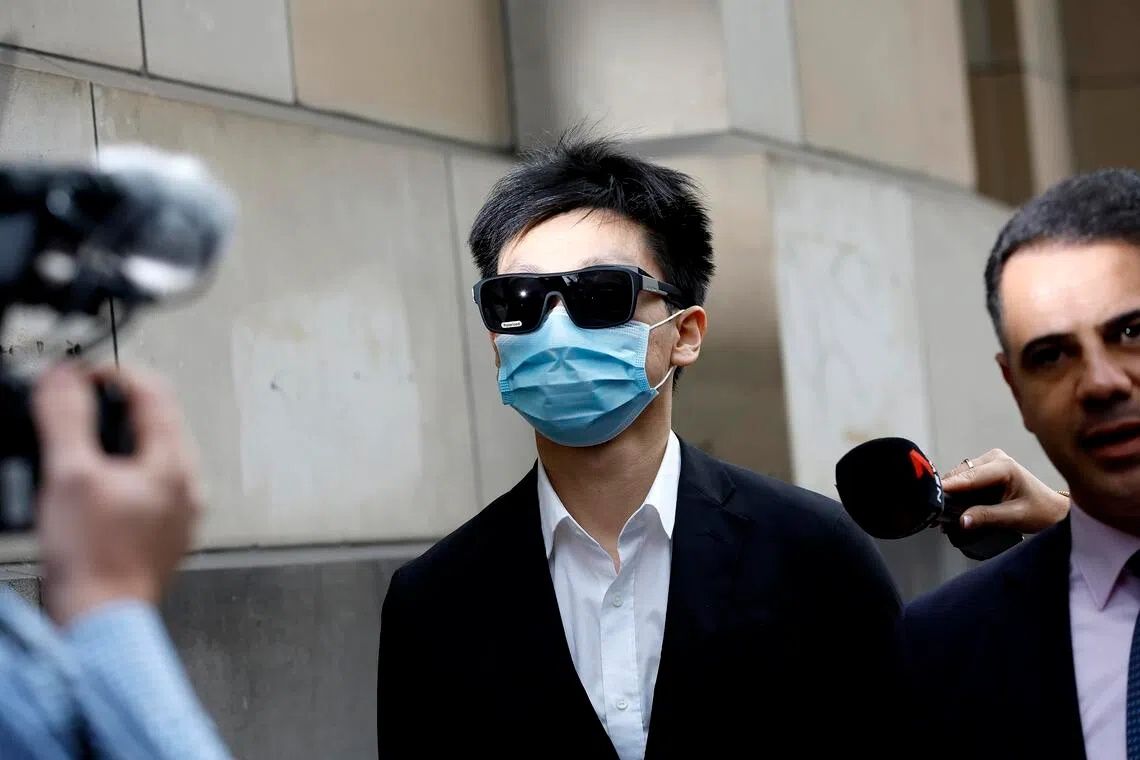
The formal charges Cho admitted to include 13 counts that were consolidated from an original 910 charges laid by Victorian police. These encompass stalking, illegal installation of optical recording devices, and production of intimate images without consent. During the brief hearing lasting under 30 minutes, Magistrate Michelle Mykytowycz asked Cho to confirm his understanding of the gravity of the charges and his plea to each count. Standing in a black suit before the court, Cho acknowledged his guilt to all counts. The magistrate noted she was satisfied with the sufficiency of evidence that would permit a jury to secure conviction on these offences.
Chо's background reveals a pattern of integration into Australian society that makes his actions particularly troubling to the medical and broader professional communities. The Singapore national has lived in Australia since 2017 and obtained permanent residency in April 2025, shortly before his arrest three months later. He completed his medical degree at Monash University and secured positions at the three hospitals mentioned, gaining trusted access to staff facilities where he deployed recording equipment. The breach of professional trust and the violation of colleagues' fundamental right to privacy while in the most vulnerable circumstances—changing clothes, showering, and using toilets—has provoked strong reactions from both the hospitals and the affected workers.
The court heard that Cho's bail conditions remain exceptionally stringent as he awaits sentencing proceedings scheduled to commence on November 23 at Melbourne's County Court. His bail, guaranteed by a A$50,000 surety lodged by his parents in 2025, has been extended to cover the upcoming hearing. Among the strict conditions imposed are mandatory police reporting three times weekly, absolute prohibition on contact with any witnesses or potential witnesses, restriction from entering hospitals except in genuine emergencies, and complete prohibition on possessing photographic or video equipment outside his residence. Additionally, Cho has surrendered his passport and undergoes required medical treatment as mandated by the court.
Chо's father, Wilson Cho, a Singapore-based logistics manager, attended the hearing and witnessed his son's guilty pleas. In previous court appearances, Wilson Cho stated he had been unaware of his son's alleged behaviour and the circumstances that culminated in the suspension of his medical licence. His parents have committed to remaining in Melbourne throughout the legal proceedings to ensure their son complies with bail conditions, signalling family involvement in managing the situation. However, the presence of his father could not shield Cho from the consequences of actions that violated fundamental workplace trust and personal dignity.
The three-day pre-sentence hearing beginning in November will hear impact statements from victims, many of whom have chosen to participate in the court process despite the distressing nature of their experience. Magistrate Mykytowycz acknowledged the presence of numerous victims attending in person and via video link during the earlier hearing, recognising their participation in the justice process. These statements will provide the sentencing judge with context regarding the psychological and emotional harm inflicted upon those whose privacy was egregiously violated.
Beyond the criminal proceedings, the case has triggered significant civil action through Australia's human rights system. Approximately 100 victims, predominantly women, have lodged complaints with the Australian Human Rights Commission against all three hospitals, alleging sexual harassment and workplace discrimination. The legal team at Carbone Lawyers, representing some affected employees, has indicated expectations that additional hospital workers will join claims against the institutions for failing to maintain appropriate safeguarding protocols and workplace safety measures. These parallel proceedings suggest the hospitals themselves face potential liability for inadequate security or monitoring procedures that permitted such systematic abuse.
The implications of this case extend across the medical profession and broader professional workplaces throughout Australia and Southeast Asia. For Malaysian healthcare institutions and professionals, the incident underscores the critical importance of robust physical security measures in sensitive workplace areas, comprehensive background vetting of medical trainees, and creating robust reporting mechanisms for safety concerns. The case also raises questions about how international recruitment and credentialing processes can better identify behavioural red flags before individuals obtain access to vulnerable circumstances. Institutions must evaluate whether current privacy protections and surveillance detection methods are adequate to prevent similar situations.
For the medical profession broadly, Cho's case represents a profound betrayal of collegial trust and professional ethics. The fact that a trainee doctor embedded within hospital teams systematically exploited his access and colleagues' assumption of safety highlights systemic vulnerabilities. Professional bodies in Malaysia and the region should consider whether additional protocols for safeguarding private spaces and monitoring unusual behaviour are warranted. The suspension of Cho's medical registration in Australia signals the permanent nature of professional consequences for such violations, setting a precedent that serious breaches of consent and privacy result in career termination.
The sentencing hearing in November will determine Cho's prison term, which is expected to be substantial given the scale of offending and the number of victims affected. Australian courts have increasingly recognised the severity of privacy violations and non-consensual image creation as serious matters deserving custodial sentences. The precedent established in Cho's case will likely influence how similar matters are handled in Australia and potentially inform approaches to such crimes across Commonwealth jurisdictions, including Malaysia. For Malaysian institutions and professionals, this case serves as a sobering reminder of the importance of vigilance, robust safeguarding, and the devastating consequences when professional boundaries and personal privacy are violated.

