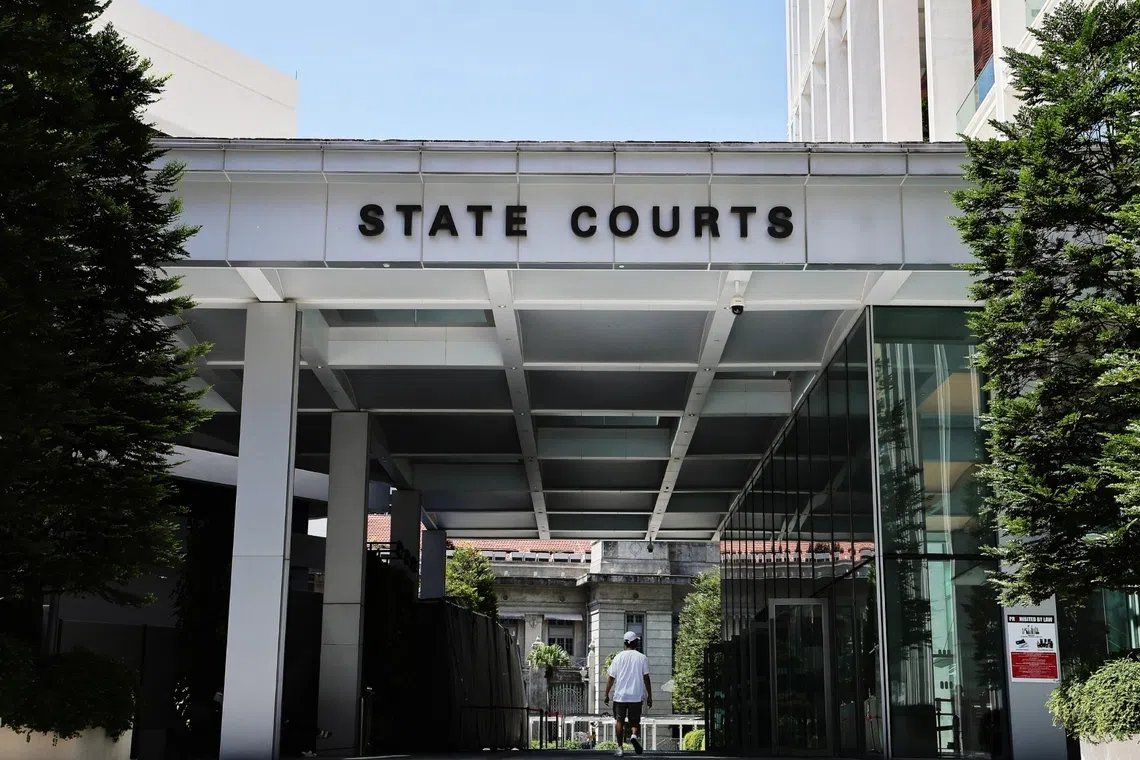
A Singaporean man has been handed a jail sentence of two years and three weeks for his involvement in a brutal assault at a nightclub near Havelock Road, nearly four years after he fled Singapore to escape justice. Marcus Yeo Zhen Wei, 35, pleaded guilty on Thursday to multiple offences including assault, performing a rash act, and illegally departing Singapore without authorisation. His case highlights the lengths some individuals will go to avoid prosecution, and the regional complications that arise when fugitives cross national borders seeking refuge.
The incident that triggered Yeo's downfall occurred on the evening of March 21, 2021, when tensions erupted inside a Magazine Road establishment. Yeo and three companions, all having consumed alcohol, became confrontational with other patrons whom they accused of staring at them. The situation rapidly escalated from verbal exchange to physical violence when Yeo and his friends began throwing glasses and bottles across the venue. Club security staff eventually managed to expel the four men from the premises, but rather than dispersing peacefully, the group demonstrated a clear intent to continue the confrontation.
What followed was an organised and coordinated assault that would leave one victim requiring hospitalisation and extended medical care. One of Yeo's associates retrieved a baton from a vehicle while another armed himself with a knife, and they returned to the club entrance where two Vietnamese men were departing. The attackers set upon these individuals with brutal intent, with the baton-wielding assailant striking one of the victims repeatedly. The injuries sustained were severe: one 30-year-old victim suffered a collapsed lung, a life-threatening condition that required treatment at Singapore General Hospital and resulted in him being granted 21 days of medical leave to recover.
Yeo was arrested on March 26, 2021, just five days after the assault, and initially remained in custody. However, he was released on bail pending his court appearance scheduled for November of that year. This decision to grant bail, seemingly routine at the time, would prove catastrophic in terms of the judicial process. Rather than honouring his obligation to return to court, Yeo made the fateful decision to flee the country entirely. In October 2021, he made his way to Pulau Ubin, a small island off Singapore's north coast, before arranging passage by boat to neighbouring Malaysia.
His escape across the Strait of Malacca represented a deliberate attempt to place himself beyond Singapore's legal jurisdiction, yet regional law enforcement networks ultimately rendered this strategy ineffective. According to an Immigration and Checkpoints Authority prosecutor, Yeo remained at large in Malaysia for approximately one year until Malaysian authorities apprehended him in 2022 on drug-related charges. Significantly, prosecutors chose not to reveal details of the Malaysian offence during the Singapore court proceedings, suggesting either ongoing diplomatic sensitivity or complications arising from the international dimension of his case.
Yeo remained in Malaysian custody until November 2025, when he was extradited back to Singapore to face the original assault charges. This four-year journey from fleeing justice to eventual capture underscores how cross-border fugitives cannot rely on geographical distance to permanently evade accountability. The involvement of multiple jurisdictions and law enforcement agencies across Southeast Asia demonstrates the increasing capacity of the region's authorities to track and apprehend individuals who attempt to escape prosecution through international flight.
The judicial outcome reflects the serious nature of the original offence. Deputy Public Prosecutor Mark Chia presented evidence detailing the premeditated nature of the second attack—the retrieval of weapons and the deliberate return to the scene—which elevates the case beyond a spontaneous bar fight into territory involving organised violence. The court's imposition of two years and three weeks imprisonment signals that such coordinated assaults, particularly those resulting in severe injuries, will face substantial custodial sentences even when perpetrators are eventually apprehended years later.
Notably, Yeo was not acting alone in the original assault, and legal proceedings have already been concluded against his three accomplices, though the court did not specify what sentences they received. This raises questions about whether Yeo's role was considered more culpable than theirs, or whether his subsequent bail breach and illegal departure influenced the severity of his punishment. The addition of charges related to illegally quitting Singapore demonstrates that authorities take seriously the circumvention of legal process and the violation of bail conditions.
For Malaysia, this case illustrates a broader pattern of cross-border criminal mobility within Southeast Asia. Malaysian authorities' cooperation in apprehending Yeo on unrelated drug charges, and subsequently facilitating his extradition, reflects the functional law enforcement cooperation that increasingly characterises the region despite political tensions. However, the lack of detail regarding Yeo's Malaysian offence raises broader questions about how such cases are resolved when a foreign national faces criminal charges in multiple jurisdictions simultaneously.
The incident also underscores the continuing challenge posed by alcohol-fuelled violence in entertainment venues across Singapore. The speed with which a minor interpersonal conflict—baseless accusations of staring—escalated into serious violence involving weapons reflects patterns that Singapore's authorities have repeatedly attempted to address through nightclub regulations and drink-driving initiatives. That this particular incident culminated in a collapsed lung demonstrates the potential for life-threatening outcomes when weapons become involved in what might otherwise remain contained within a venue.
Yeo's eventual sentencing, delivered more than four years after the original offence, reflects the significant disruption caused by his disappearance. The extended delay in finalising justice for the victims represents an additional form of harm that extends well beyond the initial assault itself. One victim's lengthy hospitalisation and ongoing recovery process was followed by years of uncertainty regarding whether his attacker would ever face consequences. The eventual conviction, though bringing some closure, cannot undo the physical trauma and the extended period of waiting for justice to be served.

