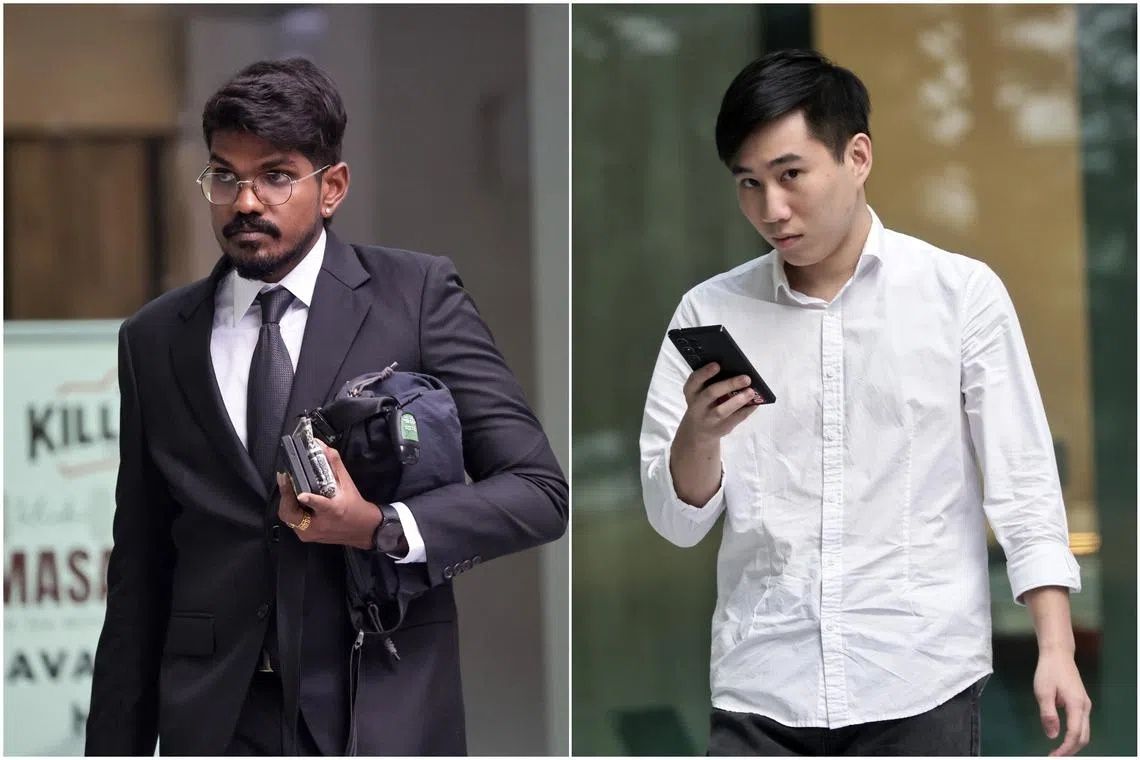
A Traffic Police investigation officer in Singapore has been handed a 16-month prison sentence for conducting unauthorised searches on government computer systems and disclosing sensitive information to a friend. The case underscores serious vulnerabilities in the handling of personal data by law enforcement personnel and highlights how breaches of trust can escalate into criminal intimidation and threats.
Shivasuria Maniam Kesaval, 29, was convicted after a trial on four counts of computer misuse and one charge under the Official Secrets Act. His actions began in July 2022 when his friend, Brayden Ong Ying Shan, 25, informed him that his car had been impounded following a traffic enforcement operation. What triggered the vehicle seizure was a report from a woman alleging that Ong had been driving without a valid licence. Rather than accepting the lawful enforcement action, Shivasuria exploited his position to uncover who had reported his friend to the authorities.
Between mid-July and late July 2022, Shivasuria repeatedly accessed the Ministry of Home Affairs computer systems, searching for and obtaining the woman's personal details and her original complaint against Ong. The DPP told the court that Shivasuria specifically communicated to Ong when the initial report had been filed, allowing Ong to deduce the woman's identity. This pattern of unauthorised access and deliberate information-sharing represented a fundamental breach of the confidentiality required in police work and a violation of the Official Secrets Act.
The consequences of Shivasuria's actions became immediately serious. On July 15, 2022, Ong used the intelligence provided by his police contact to threaten the woman directly. He told her he would "murder" whoever had reported him to authorities and deliberately sent her a photograph of Shivasuria, boasting that he had "a TP friend that is high ranking". This menacing message was designed to intimidate and frighten her into believing that law enforcement was complicit in his actions. Ong further demanded that she provide the names of family members, suggesting he could use his police contact to run checks on them to identify the actual informant.
The woman's decision to lodge a police report in late July 2022, documenting Ong's threats and the frightening implications of his police connection, proved crucial in unravelling the conspiracy. District Judge Lim Tse Haw found Ong guilty of criminal intimidation and an OSA offence as well. The court's verdict acknowledged that both men had acted in concert to abuse state systems and threaten a citizen who had simply exercised her right to report unlawful behaviour.
Shivasuria's defence during the trial was notably weak. Representing himself without legal counsel, he submitted written mitigation but declined to have it read aloud in court, offering no substantive explanation or expression of remorse for his actions. The judge's sentencing decision of 16 months fell short of the prosecution's recommendation of 19 months, though the absence of any contrition likely influenced the severity of the sentence handed down. His suspension from the Singapore Police Force came in August 2022, several weeks after his initial breaches.
The case presents particular concern for Malaysia and other Southeast Asian jurisdictions where similar vulnerabilities may exist. Law enforcement officers possess unprecedented access to sensitive personal information and government databases. Corruption, whether motivated by friendship, financial gain, or personal loyalty, can weaponise this access against ordinary citizens. The scenario in Shivasuria's case—where a suspect's associate in law enforcement provides intelligence that enables harassment and threats—represents a nightmare scenario for vulnerable individuals attempting to report genuine crimes.
Ong's flight from Singapore by boat on June 2, following his conviction, demonstrates his awareness of the seriousness of the charges and his refusal to accept judicial accountability. An arrest warrant remains in effect, though his whereabouts and apprehension remain uncertain. This development raises questions about regional law enforcement cooperation and whether neighbouring countries, including Malaysia, have mechanisms to assist in locating and extraditing fugitives fleeing justice for crimes involving obstruction and intimidation.
The broader implications extend to institutional accountability and systemic safeguards. The breaches by Shivasuria suggest that access to sensitive databases within Singapore's Ministry of Home Affairs may not have been adequately monitored or restricted. Modern police forces increasingly implement logging systems, audit trails, and automated alerts when officers conduct searches outside their legitimate duties. That Shivasuria was able to conduct multiple searches over a two-week period without triggering immediate investigation indicates potential gaps in Singapore's monitoring protocols, gaps that could equally affect other regional law enforcement agencies.
For Malaysian citizens and those in neighbouring countries, this case serves as a sobering reminder that institutional safeguards against official misconduct remain imperfect. Trust in law enforcement depends partly on public confidence that those who report crimes will be protected, not exposed to retaliation through the very systems designed to protect them. The trial's outcome affirms judicial independence and the rule of law, but the underlying circumstances reveal how personal connections and misplaced loyalty can subvert institutional integrity.
The scheduled review on July 14 indicated ongoing judicial oversight of the matter, though details of any further proceedings remain unclear. For Southeast Asia more broadly, the case highlights the urgent need for strengthened internal controls, regular audits of database access, and clear disciplinary frameworks to deter officers from exploiting their privileged access. Training on the legal and ethical obligations surrounding the Official Secrets Act and data protection must extend beyond Singapore's borders.

