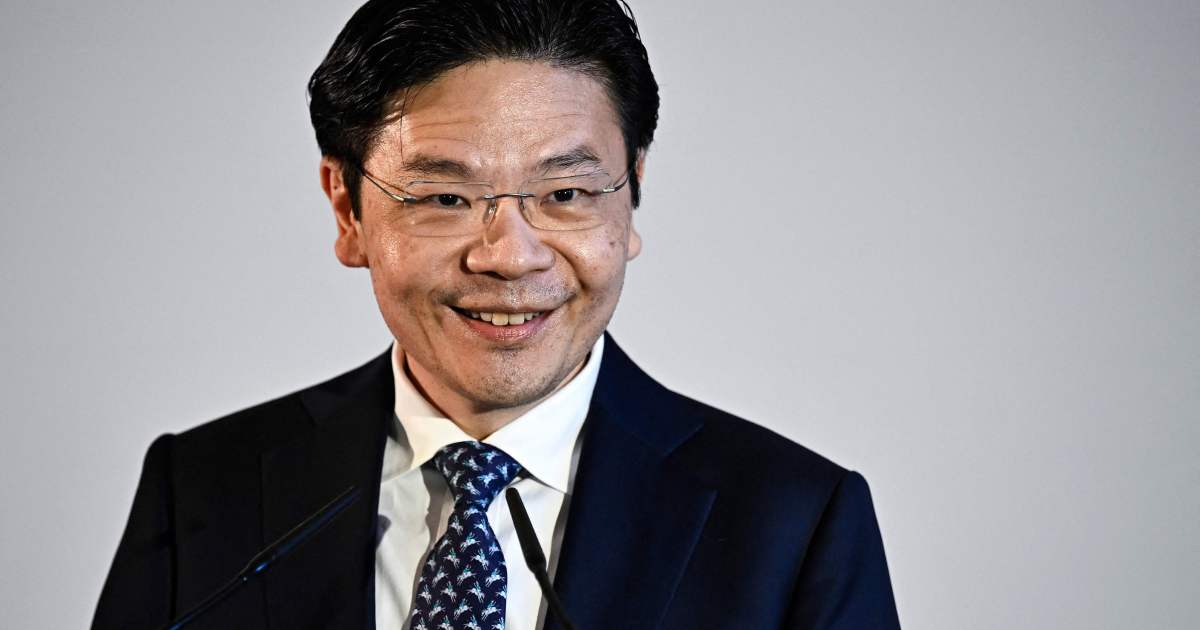
Prime Minister Lawrence Wong unveiled substantial changes to Singapore's cabinet structure and announced fresh political appointments on Wednesday, continuing the administration's ongoing process of leadership realignment. The announcement represents another pivotal moment in the government's orderly transition following departures of senior political figures in recent months, reflecting the People's Action Party's methodical approach to succession planning at the highest levels of governance.
The reshuffle comes against a backdrop of Singapore's carefully managed system of political transitions, where the ruling party has historically prepared the next generation of leaders well in advance. Wong's cabinet restructuring underscores the government's commitment to maintaining administrative continuity while introducing new talent into ministerial positions. The timing of such changes in Singapore's political calendar typically signals the administration's assessment of which leaders are ready for expanded responsibilities and which policy areas require fresh strategic direction.
Cabinet reshuffles in the city-state carry particular significance given Singapore's small talent pool of eligible political leaders and the PAP's dominance in parliament. The restructuring allows Wong to consolidate his authority following his appointment as Prime Minister and to position the government for upcoming challenges in economic growth, healthcare, and social cohesion. Each ministerial reassignment carries implications for policy implementation across diverse portfolios, from finance and transport to education and social development.
The recent resignations that preceded this announcement had created vacancies in the political establishment that required careful filling. Singapore's civil service and political machinery depend heavily on the smooth handover of responsibility, and the cabinet changes are designed to ensure no disruption to government operations. The appointments also signal which rising stars Wong trusts with critical responsibilities, a crucial indicator of the party's confidence in younger leaders.
For Malaysia and other Southeast Asian observers, Singapore's orderly transition mechanisms offer an interesting contrast to political developments elsewhere in the region. While Singapore's system is frequently criticised for limited democratic competition, it has delivered remarkable administrative stability and continuity in policy execution. Wong's moves suggest the PAP remains focused on technical competence and institutional capability rather than factional infighting.
The reshuffle likely reflects Wong's vision for his premiership and his priorities for the government's next phase. Ministerial appointments often involve repositioning experienced officials to align with strategic goals, whether addressing economic transformation, infrastructure development, or international relationships. Wong's choices would indicate whether his administration intends to maintain the existing policy direction or introduce different emphases across key ministries.
Singapore's highly centralised governance model means cabinet composition directly affects policy outcomes across all government agencies. The appointment of specific individuals to particular ministries typically signals the administration's strategic priorities for the coming years. Given Singapore's role as a major financial and logistics hub in Southeast Asia, the cabinet reshuffle could have regional implications for trade, investment, and diplomatic relations.
The political appointments announced alongside the cabinet changes extend Wong's influence beyond just ministerial positions. These appointments may include grassroots leaders, party officials, and advisers whose roles connect the central government to Singapore's constituencies and community organisations. Such positions are crucial in the PAP's system for translating policy decisions into local implementation and gathering feedback from citizens.
Wong's reshuffle also reflects the practical reality that Singapore's government must address multiple concurrent challenges: managing post-pandemic economic recovery, transitioning towards green energy goals, addressing housing affordability, and navigating increasingly complex regional geopolitics. The cabinet restructuring allows the administration to assign ministers according to their strengths and experience, potentially placing individuals with relevant expertise into positions where they can maximise their impact.
The announcement demonstrates Wong's consolidation of leadership and his growing comfort in making significant organisational changes. Newly appointed Prime Ministers often make early moves to establish their authority and reshape the administration according to their vision, and this reshuffle confirms Wong is prepared to make bold decisions about government personnel. The timing, scope, and composition of the changes will be closely analysed both domestically and regionally for insights into Wong's leadership style and intended priorities.
For Malaysia's perspective, the Singapore reshuffle serves as a reminder of how different political systems manage leadership transitions. While Malaysia's coalition politics involves negotiation between multiple parties and complex power-sharing arrangements, Singapore's centralised PAP system allows the Prime Minister relatively greater latitude in reshaping the cabinet. Understanding these structural differences is important for Malaysian policymakers and observers seeking to comprehend how governance operates across the region.

