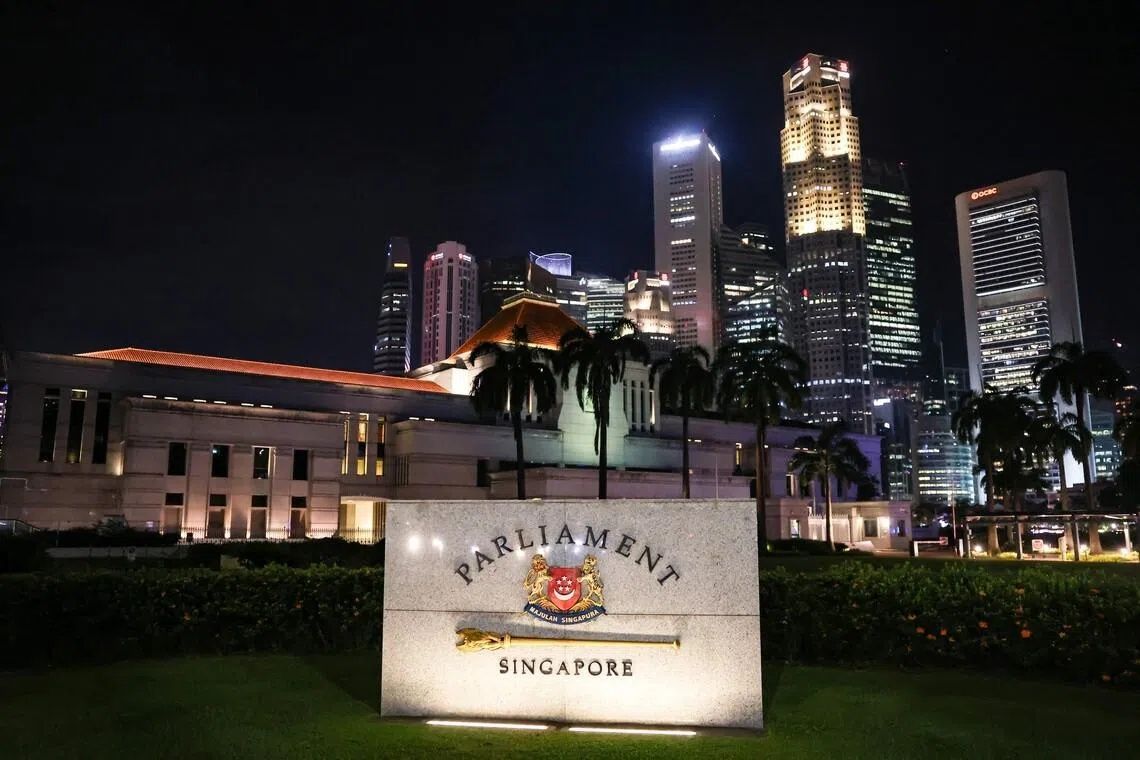
A 40-year-old Singaporean man has been charged with deliberately submitting false bomb threats to two high-profile government locations in early July, a case that underscores the serious consequences authorities attach to security hoaxes affecting critical national infrastructure. The suspect was arrested on July 7 after police linked two separate incidents—one targeting the Home Team Science and Technology Agency at One North on July 3, and another directed at Parliament House four days later—to the same individual.
The initial threat arrived as an online form submission to HTX on July 3, claiming explosives had been planted within the agency's building. The second hoax manifested through an anonymous email sent directly to the Prime Minister's Office on July 7, making similar allegations about Parliament House. Both incidents prompted immediate police responses and comprehensive security protocols, including systematic sweeps of the buildings and surrounding areas to locate any potential threats. Security personnel found nothing of concern following their thorough investigations.
Forensic analysis by the Criminal Investigation Department and Central Police Division proved instrumental in establishing that a single perpetrator was responsible for both threats. This investigative breakthrough, achieved within days of the second incident, demonstrates the sophisticated techniques now deployed to trace digital communications originating from anonymous sources. The convergence of evidence led directly to the suspect's apprehension on the same day the Parliament House threat was reported.
Electronic devices seized from the man's possession are believed to have facilitated the communications. These seized materials will likely feature prominently in the prosecution's case, providing digital forensic evidence linking him conclusively to both threats. The rapid recovery of such devices and the swift analytical work represents modern law enforcement's capacity to move from complaint to arrest within hours in cases involving critical infrastructure.
The charge relates to communicating false information regarding a harmful thing—a provision that reflects Singapore's zero-tolerance approach toward security hoaxes. Conviction carries substantial penalties: imprisonment for up to seven years, a monetary fine not exceeding S$50,000, or both sentences imposed concurrently. These penalties reflect the gravity with which lawmakers and prosecutors view such offences, recognizing their capacity to undermine public confidence and overwhelm security resources.
For Malaysian observers, the Singapore case offers instructive parallels regarding regional security frameworks. Both Malaysia and Singapore maintain heightened vigilance around government buildings and parliamentary facilities, particularly following elevated terrorist threats across Southeast Asia over the past decade. The swift response and coordinated investigation between Singapore's police divisions demonstrates institutional capacity that regional law enforcement agencies increasingly aspire to replicate.
Beyond the individual criminal aspects, Singapore's authorities emphasized that such hoaxes generate unnecessary public alarm and divert substantial police and emergency resources from legitimate security concerns. In an era when actual threats to government infrastructure remain genuine risks—as Southeast Asia has experienced—false alarms carry tangible costs. Every officer engaged in investigating phantom bombs represents personnel unavailable for genuine emergencies, and every security sweep consumes time and equipment that might prove critical elsewhere.
The case also highlights evolving challenges around anonymous digital communications. Both the online form submission and anonymous email represented relatively accessible methods for making threats with apparent impunity. Yet the investigation's success demonstrates that digital anonymity offers far less protection than perpetrators might assume. Internet service providers, email systems, and form-submission platforms retain metadata and logs that trained investigators can exploit to identify originators, even when obvious anonymization measures are employed.
For citizens and residents in Singapore and the broader region, the prosecution signals that authorities will pursue hoaxers with full severity of law. This reflects a deliberate prosecutorial strategy: by ensuring substantial penalties for false threats, authorities aim to deter potential copycat incidents and reinforce that such conduct attracts serious criminal consequences. The message extends throughout Southeast Asia, where law enforcement agencies increasingly coordinate on transnational security matters.
The Parliament House incident carries particular significance given that body's constitutional importance in Singapore's governance system. Threatening parliament attacks fundamentally different security implications than threats against ordinary office buildings, touching directly on political stability and national institutions. Investigators' ability to identify the perpetrator rapidly and definitively likely prevented secondary threats or escalatory hoaxes that sometimes follow initial incidents.
Looking forward, the case will proceed to trial where prosecutors will need to establish the man's intentionality and knowledge that his submissions were false. Defence arguments might explore whether the suspect genuinely believed threats existed, though prosecutors presumably possess substantial digital evidence demonstrating deliberate fabrication rather than innocent error or mental health crisis.
For Malaysian security professionals and policymakers, Singapore's response provides useful benchmarking for threat-response protocols and digital investigation methodologies. As Southeast Asian nations increasingly grapple with balancing security imperatives against civil liberties concerns, cases like this demonstrate that modern forensic investigation can achieve rapid suspect identification without requiring mass surveillance infrastructure—a reassuring precedent for regional democracies seeking proportionate security responses.

