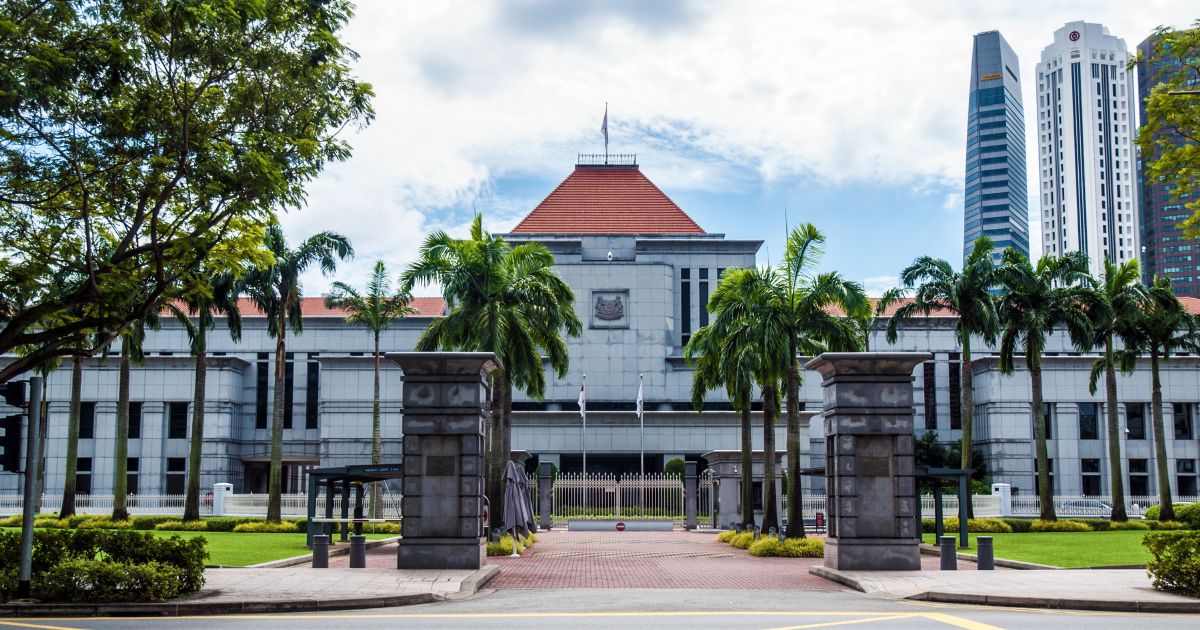
Singapore's police force has detained a 40-year-old man in connection with two separate bomb threats that targeted critical government installations, the Singapore Police Force announced. The suspect is believed to have made the anonymous threats against Parliament House and the Home Team Science and Technology Agency, an organization responsible for public safety research and technological development.
Bomb threats against government premises represent a serious matter in Singapore's security landscape. Such incidents trigger immediate responses from law enforcement and security services, requiring evacuation protocols and extensive threat assessment procedures. The targeting of Parliament House is particularly significant, given that it houses the legislature and serves as a symbol of national governance. Similarly, the HTX office plays a crucial role in supporting Singapore's internal security apparatus through scientific research and technological innovation.
The arrest represents a swift response from Singapore authorities, who maintain robust counter-terrorism and public safety frameworks. The police investigation likely involved analyzing communications records, surveillance data, and other evidence to identify the suspect. Such investigations typically require coordination between multiple security agencies to trace the origin and intent behind the threats.
Anonymous threats carry particular investigative challenges, as perpetrators attempt to mask their identities through technological means or indirect communication channels. However, Singapore's sophisticated law enforcement capabilities have historically proven effective at identifying individuals responsible for such incidents. The successful identification of this suspect demonstrates the effectiveness of these investigative methods.
Bomb threat incidents, whether genuine or hoax-based, carry significant public safety implications. They necessitate resource deployment, cause disruption to normal operations, and can create public anxiety. In the context of Parliament House, such threats require immediate activation of security protocols that affect legislative proceedings and staff safety. The HTX office, being a specialized agency, must also undertake comprehensive threat assessments before resuming normal operations.
Singapore's approach to public safety combines advanced technology with community cooperation. Residents are regularly encouraged to report suspicious activities and information through official channels. The police maintain public communication strategies to reassure citizens while investigating threats seriously. This balanced approach helps maintain public confidence in security institutions without creating undue alarm.
The case also highlights the importance of cyber forensics and digital investigation capabilities in modern law enforcement. Many contemporary threats are communicated through digital channels—emails, messaging applications, social media platforms—which leave digital footprints. Tracing these footprints requires specialized expertise and technological infrastructure that Singapore's police force possesses.
From a regional perspective, Singapore's swift response to security threats reflects broader Southeast Asian security concerns. Neighboring nations monitor Singapore's approaches closely, as the city-state maintains one of the region's most advanced security frameworks. The effectiveness of these systems has implications for regional security cooperation and intelligence sharing arrangements that benefit multiple nations in the area.
The investigation outcome will likely inform Singapore's ongoing security assessments and threat prevention strategies. Public authorities may review and strengthen existing protocols based on lessons learned. Such continuous improvement in security measures reflects the evolving nature of threats and the need for adaptive responses from law enforcement agencies.
Citizens and organizations should remain vigilant while understanding that authorities are actively addressing security concerns. Singapore maintains multiple reporting channels for individuals who wish to provide information about potential threats or suspicious activities. Public cooperation remains essential to supporting law enforcement efforts and maintaining the security environment that allows businesses, government, and civil society to function effectively.
The specific charges and legal proceedings following this arrest will unfold through Singapore's judicial system. Such cases are typically handled with appropriate gravity, reflecting the seriousness with which the state regards threats to public safety and government institutions. Legal outcomes may include criminal charges with corresponding penalties, depending on the evidence presented and the court's assessment of the suspect's intent and actions.

