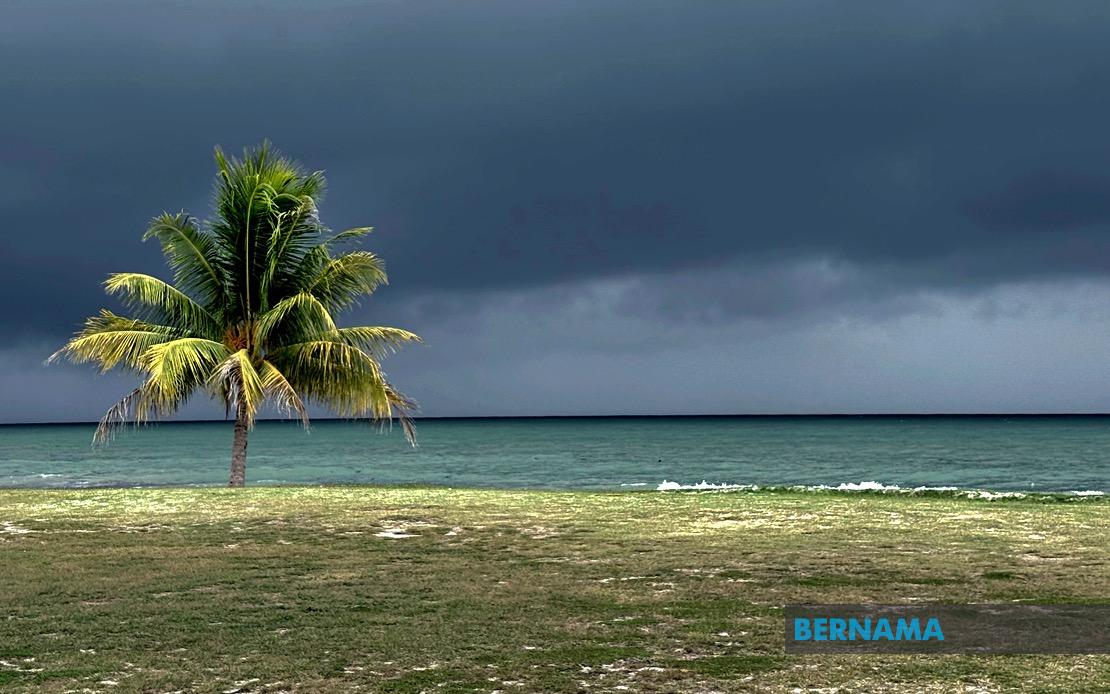
The Malaysian Meteorological Department has activated weather alerts across five states, warning residents to brace for severe atmospheric conditions characterised by towering thunderclouds, torrential rainfall and gusts of dangerous wind strength. The alert extends until 11 pm today and covers a swathe of territory stretching from Peninsular Malaysia's eastern flank through to the northern and eastern portions of Borneo.
In Peninsular Malaysia, the East Coast states of Kelantan and Terengganu emerge as primary concern areas. The Kelantan alert encompasses the urban centre of Kota Bharu alongside the coastal municipalities of Bachok, Machang and Pasir Puteh, which together form a major population and economic hub in the northern East Coast region. In neighbouring Terengganu, the focus narrows to Kemaman district, which stretches inland from the South China Sea and includes significant residential and industrial zones. Pahang, Malaysia's largest state, faces warnings centring on the interior districts of Jerantut and Maran as well as the major urban areas of Temerloh and Kuantan, the latter serving as the state capital and a major port city.
The convergence of thunderstorms and heavy precipitation across this corridor reflects the atmospheric dynamics characteristic of Malaysia's tropical monsoon system. When warm, moisture-laden air masses collide with cooler air aloft or encounter geographical barriers such as the interior highlands, the instability can trigger explosive storm development. The combination of heavy rain and strong convective winds poses multiple hazards to communities: flooding in low-lying areas, disruption to transport networks, potential structural damage from wind gusts, and risks to maritime activities. Schools, workplaces and public services across affected zones may experience operational disruptions as precautionary measures are implemented.
In Malaysian Borneo, the alert extends to the northern Sarawak division of Limbang, specifically the Lawas area, which occupies the peninsula jutting northward toward Brunei. This region's geography—characterised by steep terrain and dense vegetation—can amplify rainfall accumulation and increase susceptibility to landslides when heavy precipitation occurs. Across the border in Sabah, the warning blankets a broader spectrum of districts. The Interior division districts of Nabawan and Keningau in the heart of the state face the alert, as does Ranau on the West Coast, an area known for rubber and cocoa cultivation at varying elevations. The East Coast's Sandakan division, encompassing Tongod, Telupid, Beluran and the port city of Sandakan itself, completes the Sabah coverage.
The geographical spread of this alert underscores how rapidly weather systems can develop across Malaysia's diverse topography. The East Coast's vulnerability to such phenomena stems partly from its exposure to maritime moisture sources and the channelling effect of coastal plains meeting the interior massif. In Borneo, the mountainous spine running through both Sarawak and Sabah creates zones of atmospheric convergence where thunderstorms can intensify suddenly. Residents and travellers in these areas would be wise to monitor official weather updates closely and adjust their plans accordingly.
For maritime operators, fishermen and port authorities, the strong winds accompanying these storms demand particular attention. Wind gusts associated with thunderstorm downdraughts can exceed 60 kilometres per hour, creating hazardous conditions for vessels and waterfront operations. The heavy rainfall component raises flood risks for drainage-challenged areas and can disrupt supply chains dependent on road transport through the affected regions. Farmers in rural districts may face crop damage if winds are sufficiently violent, whilst electricity networks can experience outages if infrastructure encounters wind or lightning damage.
The timing of this alert—extending to 11 pm—suggests the atmospheric instability is expected to persist through the late afternoon and into the evening hours, which is typical for tropical convective systems that draw energy from daytime heating. As sunset approaches and the upper atmosphere cools, storm intensity may gradually diminish, though the precise timing will depend on the movement and structure of the underlying weather system. Residents should prepare contingency plans before conditions deteriorate, including securing loose outdoor items, ensuring drainage systems are clear and staying informed through official meteorological bulletins.
This alert represents routine operational forecasting by MetMalaysia, reflecting the agency's responsibility to provide timely warnings that enable appropriate public response. The specificity of the affected districts allows local authorities to mobilise resources efficiently and residents to assess their individual risk exposure. Given Malaysia's rapid urbanisation and expansion into previously undeveloped areas, understanding these weather patterns and their potential impacts has become increasingly important for infrastructure planning and emergency management.
As climate patterns continue to evolve globally, tropical regions like Malaysia may experience shifts in the frequency and intensity of severe weather events. Today's thunderstorm alert, whilst routine in the Malaysian context, forms part of a larger observational dataset that helps meteorologists refine their understanding of regional atmospheric behaviour. Residents across the affected five states are advised to treat this warning seriously, adjust their activities where necessary and remain alert to any developments or updated guidance from MetMalaysia as the day progresses.

