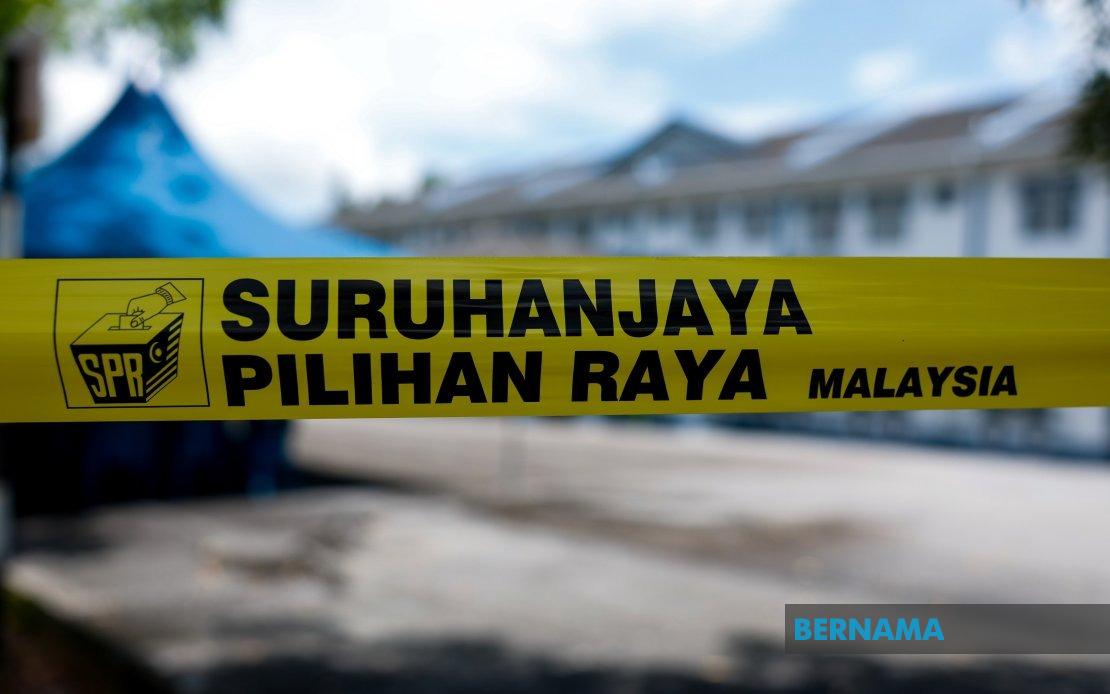
Police in Negeri Sembilan have launched investigations into seven cases of election-related offences as the state gears up for its 16th election, with authorities maintaining heightened vigilance to preserve the integrity of the campaign process. Negeri Sembilan Police Chief Datuk Alzafny Ahmad disclosed that the investigations span various violations committed during the active campaign period, signalling the Royal Malaysia Police's commitment to monitoring political activities across the state.
Two of the seven investigation papers were initiated recently, focusing specifically on breaches under Section 427 of the Penal Code, which addresses mischief resulting in the loss or damage of property. These cases highlight growing concern about the physical security of campaign materials and election-related infrastructure during what has become an increasingly contentious political season. The property-related offences underscore tensions that can emerge when competing political factions clash over campaign space and visibility.
Between July 18 and 22, the Negeri Sembilan contingent of the Royal Malaysia Police documented twelve separate police reports alleging election-related violations, providing a broader picture of the enforcement landscape during the crucial campaign phase. This volume of reports suggests that authorities are receiving consistent complaints from the public and political parties alike, indicating either heightened awareness among voters and candidates or genuinely increased incidences of misconduct. The police's proactive documentation of these reports demonstrates institutional responsiveness to election season challenges.
The campaign infrastructure approval process has proceeded at a measured pace, with authorities receiving and clearing fifty-three permit applications for political ceramahs and campaign activities during a single day alone. This brings the cumulative total of approved permits to 226 since the campaign commenced, reflecting the scale of political engagement across Negeri Sembilan's constituencies. The permit system serves as a crucial regulatory mechanism, allowing police to maintain situational awareness of where and when campaign events occur while enabling organisers to conduct their activities within a lawful framework.
Negeri Sembilan Police have articulated a comprehensive monitoring strategy that encompasses both enforcement and prevention dimensions. Rather than merely responding to violations after they occur, police units are actively observing all political programmes and activities to ensure compliance with electoral law and to mitigate risks to public safety and social harmony. This proactive stance reflects broader recognition within Malaysia's security apparatus that election periods require specially calibrated policing approaches that balance democratic freedoms with orderly governance.
The relationship between campaign activity volume and law enforcement capacity inevitably shapes how effectively police can manage the election season. As more permits are approved and more campaign events unfold across the state, the demands on police resources intensify, requiring strategic deployment of personnel to high-risk areas and times. The 226 approved permits represent a significant operational load, particularly when combined with investigations into existing violations and the need to process incoming reports from the public.
Datuk Alzafny's public statements reflect standard police communication strategy during elections, emphasising commitment to impartial enforcement while warning potential offenders of consequences. By explicitly stating that stern action would follow any breach of law, authorities signal that the electoral environment, despite being a time of heightened political activity, remains subject to the same legal constraints that govern ordinary periods. This messaging is intended to deter potential violations while reassuring the public that election season will not descend into chaos or lawlessness.
The Election Commission has scheduled early voting for Negeri Sembilan on July 28, with the official polling day set for August 1. This timeline compresses the active campaign period into a relatively brief window, concentrating political activity and creating particular challenges for law enforcement coordination. The proximity of these dates means that police must maintain sustained attention to violations throughout the final weeks before voters go to the polls, with the intensity of both political activity and enforcement likely peaking as election day approaches.
For Malaysian readers and Southeast Asian observers, the Negeri Sembilan election serves as a significant test case for how Malaysia's electoral institutions manage contemporary political competition. The willingness of authorities to investigate alleged offences and the maintenance of permit systems demonstrates that formal democratic processes remain operational, even as Malaysia navigates deeper political polarisation. The volume of police reports and investigation papers opens questions about whether offences are genuinely increasing or whether heightened political awareness has simply led to more complaints being filed.
The police's call for public cooperation reflects recognition that election integrity ultimately depends not solely on enforcement capacity but on broader societal commitment to democratic norms. By appealing to citizens to respect legal boundaries and support the democratic process, authorities position themselves as custodians of the electoral system rather than partisan actors. This framing becomes particularly important in the Malaysian context, where elections carry substantial weight in determining state-level governance and resource allocation.
Looking ahead to the August 1 polling day, the trajectory of investigation papers and police reports will likely continue climbing as the campaign intensifies. The pattern established so far—with consistent daily reports and a stream of permit applications—suggests that the Negeri Sembilan contest will generate significant administrative and enforcement activity right through to the final voting hours. Observers will be monitoring whether the seven cases now under investigation expand into dozens by the time the ballot boxes close.
The emphasis on preparedness, monitoring, and enforcement throughout the campaign period reflects lessons learned from previous Malaysian elections. Police have increasingly recognised that sustained presence and visible commitment to law enforcement during campaigns helps prevent violations before they escalate. This preventative approach, combined with willingness to investigate breaches when they occur, represents the institutional framework within which the 16th Negeri Sembilan state election will unfold, shaping the conduct of candidates, supporters, and observers alike.

