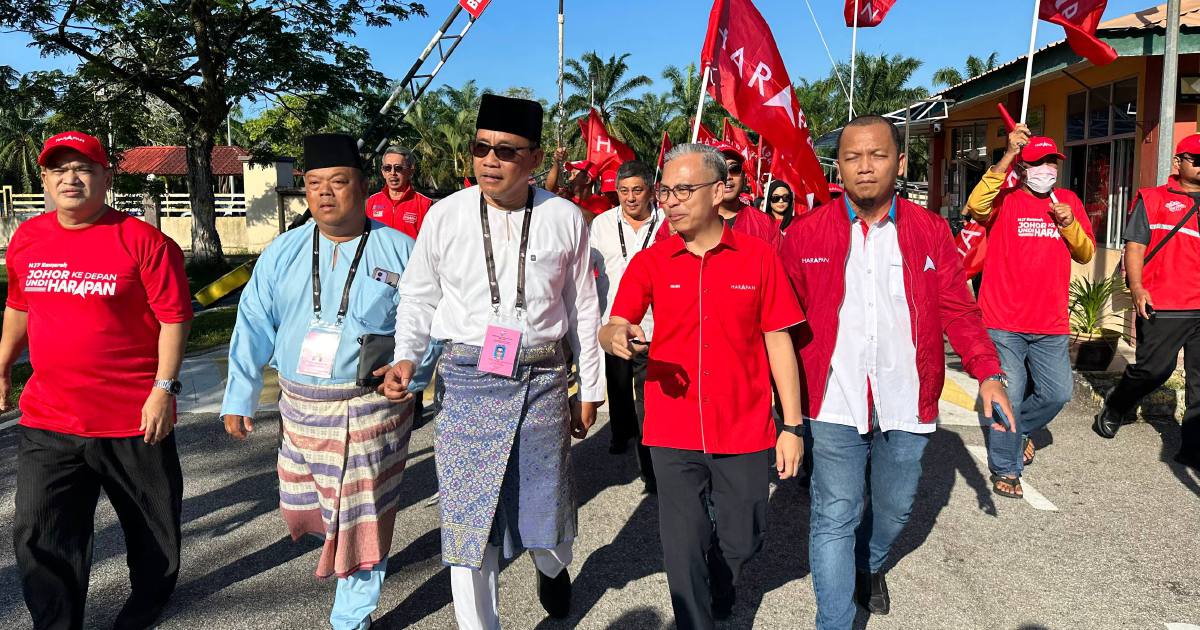
Nomination day for the Semerah state seat erupted with spirited campaigning as candidates arrived at Dewan Mahkota in Maktab Rendah Sains Mara, Batu Pahat, where supporters chanted "Reformasi" and offered selawat in a display of electoral enthusiasm. The gathering underscored the intensity surrounding this particular contest, one of several fiercely contested seats in the forthcoming Johor state election that will determine the political direction of Malaysia's southern gateway state.
The expected rematch between the ruling coalition and the opposition alliance carries significant weight beyond the individual seat itself. Both Barisan Nasional and Pakatan Harapan have invested considerable political capital in Semerah, viewing the outcome as a barometer of voter sentiment in Johor. This particular matchup reflects the broader tussle for state-level supremacy that has characterised Malaysian politics since the 2018 general election, when the political landscape underwent seismic shifts. The familiarity between candidates who have previously contested the seat suggests that voters will base their decisions on performance, local grievances, and the track records of both coalitions.
Semerah's position within the larger Johor political ecosystem makes it strategically important. The constituency encompasses areas with diverse demographic profiles, including rural communities dependent on agriculture and smallholder businesses, alongside semi-urban populations engaged in commerce and small enterprise. This mix of voter profiles means that campaign messaging must address multifaceted concerns ranging from rural development and infrastructure to livelihood support and educational opportunities. Candidates who can articulate credible responses to these varied needs are more likely to secure voter confidence.
The presence of established candidates rather than fresh faces potentially works in favour of voters who can assess tangible achievements. Incumbents carry records of constituency service that constituents can evaluate, while opposition candidates can point to proposals and alternative visions for development. This transparency allows for substantive electoral contests based on performance rather than rhetoric alone. However, it also means that any unpopular decisions or unfulfilled promises from the previous term will weigh heavily on candidate prospects.
The nomination atmosphere itself revealed the emotional investment that supporters bring to electoral contests. The invocation of "Reformasi," a rallying cry associated with political transformation and anti-corruption messaging, indicates that opposition campaigners are framing the election around governance and institutional reform. This theme has resonated with Malaysian voters in recent elections, particularly in urban and semi-urban constituencies where governance quality and transparency are high-priority concerns.
For Barisan Nasional, defending Semerah represents part of a broader effort to shore up its traditional support base in Johor, which has become increasingly competitive since 2018. The coalition must balance its historical dominance in the state with the reality that voter preferences have become more volatile and less predictable. Winning back ground lost to Pakatan Harapan in previous contests requires both maintaining core support and persuading swing voters that the coalition offers better governance and development prospects.
Packatan Harapan's nomination of established candidates demonstrates that the opposition is mounting a serious challenge rather than treating Semerah as a peripheral contest. The coalition has invested in candidate selection designed to project credibility and competence, recognising that voters increasingly demand substantive proof of capability before casting ballots. The "Reformasi" rhetoric serves as both an emotional connector with supporters and a stark differentiation from Barisan Nasional's more technocratic messaging.
Local issues will likely dominate campaign discourse. Semerah voters care about employment opportunities, healthcare accessibility, educational quality, and infrastructure development. The degree to which either coalition can convincingly address these bread-and-butter concerns will determine electoral outcomes far more than abstract political positioning. Candidates who ground their campaigns in concrete proposals and demonstrate understanding of local challenges will find themselves at an advantage over those offering only broad ideological appeals.
The nomination process itself marks the formal beginning of what promises to be an intensive campaign period. Both coalitions will now deploy resources, field volunteers, and sharpen their messaging in pursuit of victory. Social media platforms, traditional campaigning, and grassroots engagement will all feature prominently as candidates attempt to build momentum and influence undecided voters. The density of campaign activity in coming weeks will test both organisational capacity and the enduring appeal of each coalition's political brand.
Johor's significance within the Malaysian federation makes individual state elections consequential for national politics. How Semerah and similar constituencies perform will signal whether Barisan Nasional is consolidating recovery efforts or whether Pakatan Harapan maintains momentum from the 2022 general election gains. The state election thus transcends local politics, potentially influencing calculations about national political trajectories and the viability of different coalition arrangements.

