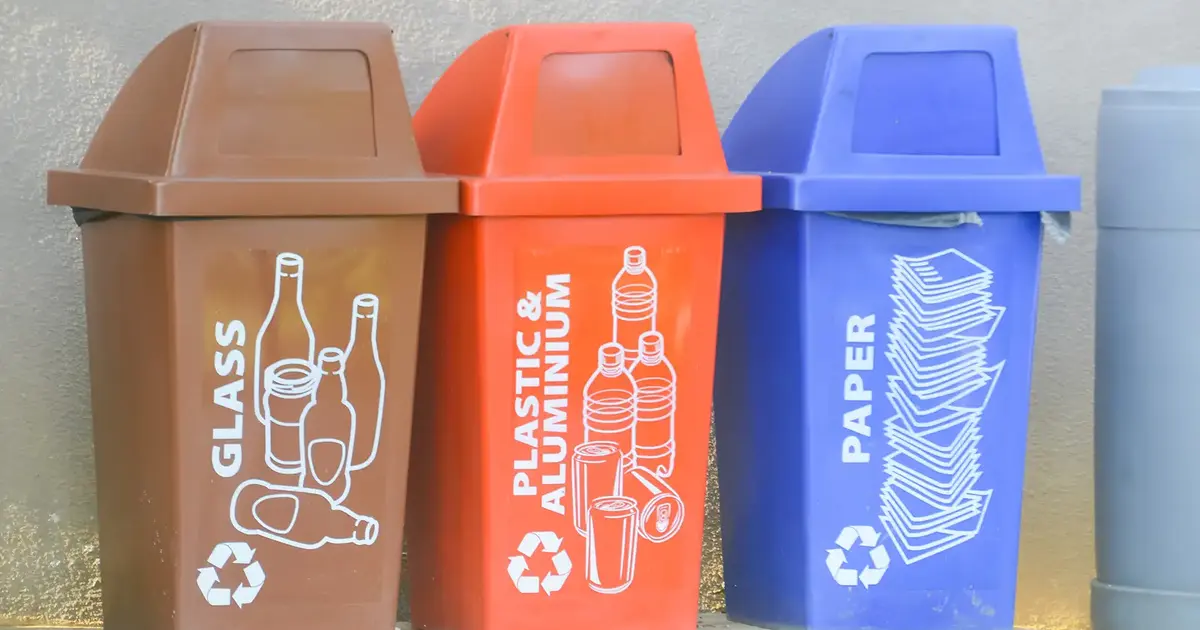
The Selangor government has committed to a thorough review of its waste management guidelines in response to concerns that the current regulatory framework permits inconsistent application across municipalities. Local Government Committee Chairman Ng Suee Lim has publicly recognised that existing provisions contain language susceptible to multiple interpretations, a vulnerability that has generated considerable confusion among both enforcement agencies and waste management operators throughout the state.
This acknowledgement marks a significant turning point in how Selangor approaches its waste disposal and recycling infrastructure. The state, which encompasses the Klang Valley metropolitan area and several high-density urban centres, processes substantial volumes of municipal waste daily. The ambiguity in existing guidelines has created operational challenges that extend beyond administrative inconvenience, potentially undermining efforts to implement coordinated environmental policy across the region.
The decision to undertake a comprehensive review reflects growing recognition that clarity in regulatory language is essential for effective enforcement. When different local authorities interpret the same guidelines divergently, waste management systems become fragmented, creating gaps that undermine overall environmental protection objectives. Ng's acknowledgement that the current provisions are open to conflicting readings represents a candid assessment of a structural weakness in the state's regulatory framework.
Selangor's waste management challenges occur within a broader Southeast Asian context of rapid urbanisation and increasing pressure on disposal infrastructure. As one of Malaysia's most populous and economically dynamic states, Selangor faces constant demand for improved waste handling capacity. The state's waste management system must accommodate not only residential waste from its substantial population but also commercial and industrial waste streams from the thriving manufacturing and services sectors concentrated in the Klang Valley.
The involvement of the relevant state agency alongside the state government indicates a coordinated approach to resolving interpretative inconsistencies. This two-tier involvement suggests that problems identified may span both regulatory design and implementation mechanisms. Agencies responsible for overseeing waste disposal contracts, monitoring compliance, and enforcing environmental standards will need to contribute technical expertise to the review process, ensuring that revised guidelines reflect practical operational realities.
Among the key issues likely to be examined are the delineation of responsibilities between different municipalities, the classification criteria for various waste streams, and the technical specifications that waste management operators must meet. Current confusion may also extend to the permitting process for new facilities, landfill operations, and the handling of hazardous waste materials. Without clear definitional boundaries, operators and local authorities cannot reliably determine which regulations apply to specific situations.
The implications for waste management companies operating across multiple Selangor municipalities are substantial. Currently, differing local interpretations may force operators to maintain multiple compliance standards simultaneously or to seek costly legal clarification. A unified, well-drafted framework would reduce compliance costs and allow these companies to invest more efficiently in infrastructure improvements and technological innovation in waste processing and recycling.
For residents and businesses in Selangor, the outcome of this review will directly influence waste collection schedules, recycling programme effectiveness, and the state's progress toward circular economy principles. Many Southeast Asian governments, including Malaysia, have committed to reducing landfill dependency and increasing recycling rates. Effective waste management guidelines are fundamental infrastructure for achieving these targets, yet they remain difficult to implement when regulatory language permits conflicting interpretations.
The timing of this review also reflects international pressure on Asian nations to strengthen environmental governance. Selangor, as Malaysia's economic engine, faces scrutiny from both domestic stakeholders and international observers regarding its environmental management practices. Countries throughout Southeast Asia are competing to establish reputations as responsible environmental stewards, and waste management excellence has become increasingly important for foreign investor confidence and international standing.
The review process itself will require consultation with multiple stakeholders beyond government agencies. Waste management contractors, environmental non-governmental organisations, local authority officials, and community representatives all hold valuable perspectives on where current guidelines fail or create unintended consequences. Incorporating diverse viewpoints will strengthen the revised framework and increase stakeholder buy-in when new provisions are introduced.
Implementation of revised guidelines will require training programmes for local authority staff, updated enforcement protocols, and clear communication strategies to inform operators and the public. The state government will need to establish transition periods allowing operators time to adjust to any substantially revised requirements. Without careful change management, even well-designed new guidelines risk creating temporary confusion before the intended benefits materialise.
This review also provides an opportunity for Selangor to align its waste management framework with emerging best practices in the region. States like Johor and Penang have pursued innovative approaches to waste reduction and resource recovery. By examining their experience alongside international examples, Selangor can develop guidelines that not only resolve current interpretative ambiguities but also position the state as a leader in Southeast Asian environmental management.
Ultimately, the success of this initiative will be measured not merely by the quality of revised guidelines but by their effective implementation across Selangor's numerous municipalities and their demonstrable impact on waste handling efficiency and environmental outcomes. Clear regulatory language is a necessary but insufficient condition for excellence; sustained commitment to enforcement and continuous improvement remains essential for long-term success.

