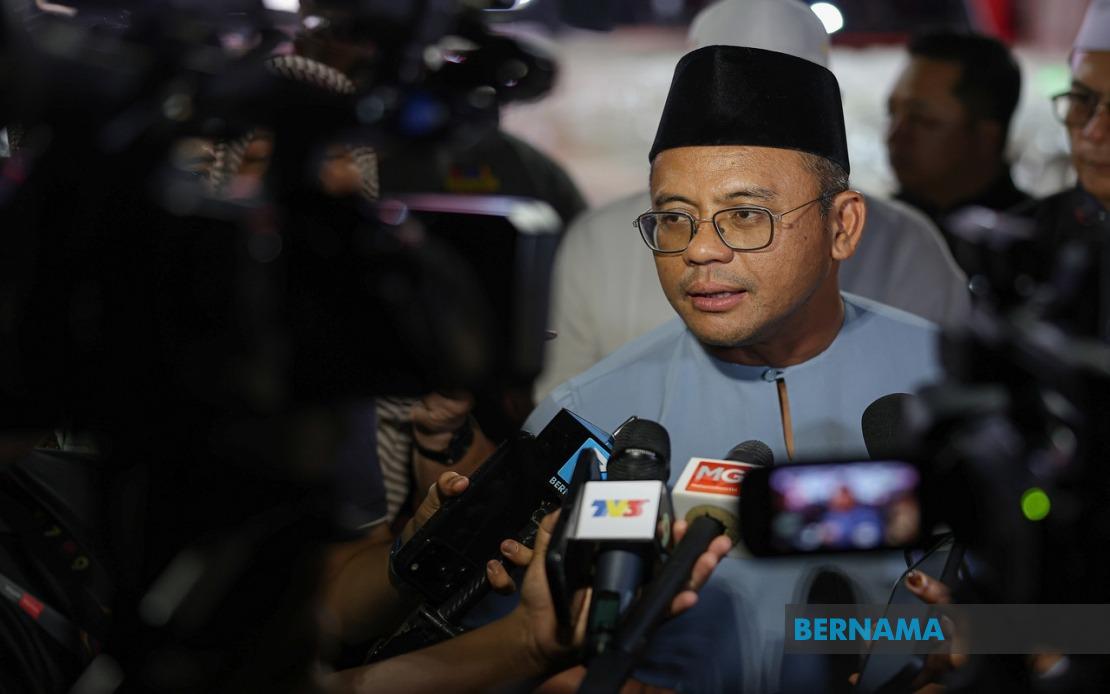
Selangor Menteri Besar Datuk Seri Amirudin Shari has signalled that a crucial announcement regarding a state assemblyman's position will come before the legislature convenes on Monday, August 3. The Speaker of the State Assembly is poised to clarify the outcome of an ongoing examination into allegations affecting the assemblyman's eligibility to hold office. Amirudin disclosed the timeline during a statement to journalists in Kuala Pilah on July 31, indicating that administrative processes are nearing completion before any public disclosure occurs.
The matter has prompted considerable behind-the-scenes activity within Selangor's governance structures. Amirudin explained that his administration has been collaborating with the State Legal Adviser to thoroughly assess the allegations and their legal implications. This consultation phase represents standard procedure when constitutional or statutory qualifications of elected representatives come into question. The involvement of legal expertise underscores the gravity of the situation and the need for meticulous verification before proceeding with formal action.
While Amirudin refrained from specifying the nature of the allegations or identifying the assemblyman involved, the political landscape has already begun speculating about the potential ramifications. If the Speaker's review concludes that the assemblyman lacks the necessary qualifications to represent his constituency, the seat would be declared vacant, triggering automatic by-election proceedings. This prospect carries significant consequences for Selangor's political balance, particularly given the state's status as Malaysia's most populous and economically vital region.
By-elections in Selangor have historically commanded substantial attention from national political parties, serving as barometers for public sentiment and party performance. A vacancy in the state assembly would necessitate electoral machinery mobilization, campaign activities, and resource allocation from competing political coalitions. For the ruling Pakatan Harapan coalition and the Selangor government specifically, such an election could test their popularity and organizational capacity following recent political developments at both state and federal levels.
The timing of the Speaker's anticipated announcement during the August 3 assembly sitting ensures maximum transparency and formal documentation of the decision. Assembly sittings provide the appropriate institutional venue for such announcements, allowing all legislators to be informed simultaneously and enabling parliamentary questions or responses. This procedural approach reflects constitutional norms and demonstrates respect for legislative processes, notwithstanding the potential upheaval such an announcement might trigger.
The allegations themselves remain shrouded in relative secrecy at this stage, though speculation has centred on questions of constitutional eligibility. State assemblyman positions carry specific statutory requirements regarding citizenship, age, residency, and other qualifications established under the Selangor Constitution. Should the legal review determine that an assemblyman fails to meet any such prerequisite, the grounds for declaring the seat vacant would be established. The State Legal Adviser's role is therefore pivotal in ensuring that any such determination stands on legally unassailable footing.
For Malaysian politics more broadly, the situation illustrates the ongoing importance of constitutional vigilance and proper verification of elected representatives' qualifications. Eligibility disputes, while uncommon, periodically surface in Malaysian electoral contexts and underscore the necessity of thorough vetting processes during candidate nomination stages. This case may prompt political parties to intensify their internal verification procedures, ensuring that prospective candidates definitively meet all statutory requirements before nomination papers are submitted.
The Selangor government's transparent communication regarding the pending decision reflects a commitment to procedural propriety despite the sensitive nature of the matter. Rather than allowing speculation to proliferate unchecked, Amirudin's announcement of a concrete timeline provides stakeholders—including the affected assemblyman, other legislators, and the public—with clarity regarding when formal clarity will emerge. This approach contrasts with administrative approaches that might delay disclosure indefinitely, thereby prolonging uncertainty.
From a constitutional perspective, the Speaker's role as arbiter of such matters is well-established in parliamentary practice. The Speaker functions as guardian of assembly procedures and, in conjunction with legal advice, determines whether members continue to qualify for their positions. This responsibility necessitates independence and impartiality, reinforcing the significance of reliance on objective legal counsel rather than purely political considerations. The consultation with the State Legal Adviser thus assumes critical importance in maintaining institutional credibility.
Should a by-election become necessary, Selangor voters would face an opportunity to either reinforce their previous electoral choice or register changed preferences. By-elections typically generate heightened voter turnout compared to routine constituency engagement, as they represent the rare occasion when individual voters can directly alter governmental composition between general elections. For Selangor, currently governed by Pakatan Harapan, such an electoral contest could carry implications extending beyond the single seat in question.
The broader political context cannot be divorced from this technical constitutional matter. Selangor remains a crucial battleground in Malaysian politics, and any shift in the assembly's composition—whether through seat declaration or subsequent by-election outcomes—carries weight for state governance and party positioning. The state's economic prominence and population density mean that developments in Selangor's legislature reverberate through national political calculations.
As Monday's assembly sitting approaches, all eyes will focus on the Speaker's pronouncement and its specifics regarding the assemblyman's status. The legal advisers' findings will determine not only whether a seat is vacated but potentially influence broader questions about candidate vetting protocols across Malaysian political parties. The situation exemplifies how constitutional procedures, while often arcane to general audiences, function as critical safeguards ensuring the integrity of elected institutions.

