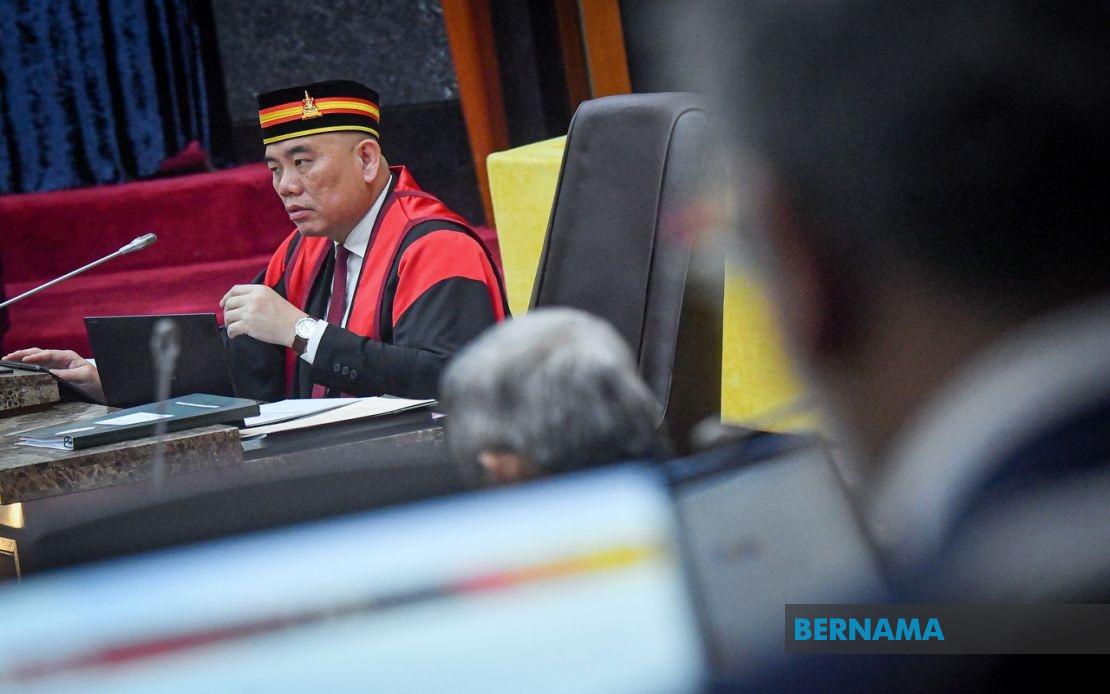
Selangor State Legislative Assembly Speaker Lau Weng San is methodically examining the parliamentary standing of all assemblymen across the legislature, with the specific purpose of establishing whether any seats warrant formal vacancy declarations. The comprehensive audit encompasses representatives from every political faction within the chamber, underscoring the speaker's commitment to basing any determinations on concrete evidence and strict adherence to constitutional protocols governing the state assembly.
During remarks to journalists at Wisma Dewan Negeri Selangor, Lau acknowledged that the assessment process remains active and multifaceted in nature. His careful emphasis on examining "every party, every corner" reflects both the cross-party scope of the inquiry and the delicate political environment surrounding potential seat vacancies in Malaysia's most urbanized and economically significant state. The speaker declined to specify a completion date, preferring instead to furnish a comprehensive report once all preliminary investigations conclude.
The constitutional framework underpinning this review establishes that Selangor assemblymen forfeiting their legislative positions must demonstrate an absence exceeding six consecutive months without either formal authorization or prior notice to the speaker's office. This provision represents a standard safeguard against prolonged parliamentary vacancies arising from unexplained member absences. The speaker's current examination therefore carries significant weight, as it will ultimately determine whether any representatives have inadvertently triggered automatic disqualification mechanisms.
Questions naturally arose regarding several assemblymen who did not participate in the day's sitting, prompting speculation about possible connection to the ongoing review. Lau firmly cautioned against rushing to premature judgments, noting that occasional non-attendance carries multiple plausible explanations unrelated to constitutional violations. Several members had previously communicated legitimate justifications for absences, encompassing health emergencies and personal circumstances that require individualized consideration rather than blanket conclusions.
Menuteri Besar Datuk Seri Amirudin Shari injected temporal urgency into the proceedings by indicating that a conclusive determination regarding the particular seat in question was anticipated before the week concluded. This accelerated timeline reflects growing pressure to resolve the matter expeditiously, particularly given the cascade of administrative processes that follow any official vacancy declaration. The state government has assumed a position of waiting for the speaker's formal notification before proceeding with subsequent procedural steps.
The machinery of government administration stands poised to engage once the speaker's review crystallizes into formal recommendations. Selangor's legal advisory apparatus is currently preparing the requisite documentation that will facilitate transmission of the matter to the Election Commission and other competent authorities. This procedural sequencing underscores the institutional complexity inherent in navigating constitutional provisions governing legislative vacancies within Malaysia's federal framework.
The Election Commission's subsequent role becomes operative only upon receipt of official notification confirming a seat vacancy, at which juncture the electoral body must determine whether triggering a by-election serves the interests of democratic representation and constitutional compliance. The timing and mechanics of such a by-election—should one materialize—carry broader implications for Selangor's political configuration and the balance of legislative forces within the assembly.
For Malaysian constituencies broadly, this Selangor situation illuminates the functioning of institutional checks within state legislatures and the careful application of constitutional provisions designed to maintain parliamentary integrity. The speaker's systematic approach demonstrates that questions concerning assemblymen's continued eligibility warrant thorough, impartial investigation rather than precipitous action, a principle applicable across all state assemblies and the federal parliament.
The broader context reveals how attendance records and constitutional safeguards intersect with contemporary Malaysian politics, where shifting coalition alignments occasionally generate questions about representatives' continued participation in legislative duties. The Selangor assembly, encompassing 56 seats distributed among multiple political parties, represents a microcosm of Malaysian political complexity where transparent application of constitutional rules becomes essential for maintaining institutional credibility.
This situation also highlights the delicate equilibrium required when legislative speakers exercise their constitutional authority over member status. Lau's measured approach—encompassing comprehensive review, individual case assessment, and transparent communication—establishes a model emphasizing procedural regularity and factual foundation over expedient but potentially arbitrary determinations. The outcome will inform not merely Selangor's legislative composition but broader understanding of how state assemblies administer their constitutional prerogatives.

