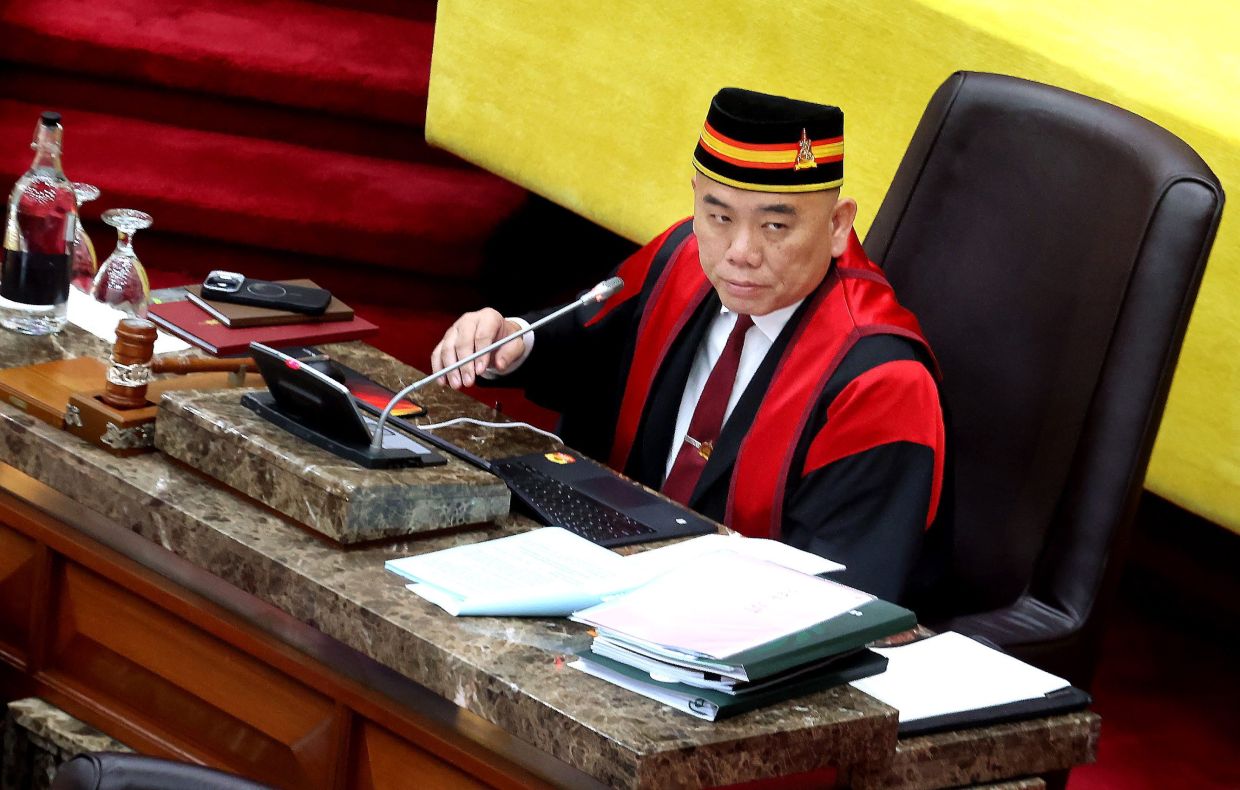
A comprehensive investigation is underway into a Selangor state assemblyman who faces allegations of being declared bankrupt, according to Speaker Lau Weng San, though he has maintained secrecy around the legislator's identity and the probe's timeline. Speaking during the Selangor State Legislative Assembly sitting at Bangunan Dewan Negeri Selangor on Monday, August 3, Lau emphasised that the inquiry remains preliminary and incomplete, necessitating a cautious approach before any public statements are made about the matter or its implications.
The Speaker's measured stance reflects the sensitivity surrounding the allegation, as bankruptcy declarations can have serious constitutional consequences for elected representatives in Malaysia. Under existing electoral and state constitutional frameworks, the discovery that a lawmaker holds such a status could trigger mandatory inquiries into their continued fitness to hold office. Lau's decision to withhold the assemblyman's name until investigations conclude demonstrates the Speaker's awareness that premature disclosure could prejudice the individual's reputation or unduly influence public perception before facts are fully established.
Lau confirmed that the probe will encompass multiple dimensions beyond the bankruptcy allegation itself. "The investigation will involve all parties, all constituencies and all other relevant aspects," he stated, indicating a thorough examination extending beyond the individual concerned to encompass broader procedural and administrative considerations. This comprehensive approach suggests that investigators are examining not only the veracity of the bankruptcy claim but also potential implications for legislative representation, compliance with state constitutional requirements, and the proper exercise of parliamentary duties by the assemblyman in question.
When pressed on whether the alleged bankrupt legislator might be among those absent from Monday's assembly sitting, Lau provided contextual clarification on legitimate grounds for non-attendance. He noted that lawmakers routinely miss proceedings for justified reasons, including medical leave and other personal circumstances. This response underscores an important distinction between casual or inexplicable absences and those grounded in valid justification, a distinction that carries weight under Selangor's constitutional framework governing vacant seats.
The Speaker outlined the constitutional mechanism for declaring a state assembly seat vacant, explaining that under the Selangor State Constitution, such a declaration can only occur if a representative fails to attend sittings for six consecutive months without formal notice or legitimate excuse. This provision represents a safeguard against hasty removal of lawmakers and reflects the principle that elected representatives retain their positions absent clear dereliction of duty or procedural breach. The threshold of six months without permission establishes a high bar, acknowledging that temporary absences or those with proper notification do not jeopardise parliamentary standing.
Lau referenced the precedent of former Batang Kali assemblyman Harumaini Omar, whose seat was formally declared vacant on February 16, 2023, following persistent failure to attend assembly sessions for more than six months without permission. This case study illustrates the procedural pathway by which seats become vacant and demonstrates that the Speaker has previously exercised this constitutional power when circumstances warrant. The Harumaini Omar case also shows that such actions, while significant, are taken only after exhaustive documentation of non-compliance with attendance requirements.
The question of what unfolds should the bankruptcy allegations be substantiated remains contingent on determinations by other constitutional authorities. Lau explicitly deferred to the Election Commission regarding whether a by-election would be necessary, emphasising that potential electoral consequences fall outside the Speaker's purview. This demarcation of responsibilities reflects Malaysia's constitutional architecture, wherein the Election Commission possesses exclusive authority over electoral matters, including the calling and conduct of by-elections necessitated by vacancies or disqualifications.
For Malaysian readers and observers across Southeast Asia, this situation highlights the ongoing tension between privacy rights during investigation and public accountability expectations surrounding elected officials. The Speaker's refusal to comment on the investigation's expected completion date reflects institutional caution, though it also raises questions about public access to information regarding potential fitness-to-serve matters. The prolonged period of silence could test public patience, particularly if the assemblyman remains active in parliamentary functions throughout the probe.
The implications for Selangor's legislative balance remain unclear, particularly if the investigation results in a parliamentary vacancy. The state government's narrow majority has made every seat consequential, and any by-election would carry significance beyond the individual constituency involved. Opposition parties and interested observers will likely monitor developments closely, aware that the outcome could reshape the composition and dynamics of the state assembly.
Bankruptcy declarations carry substantial weight in Malaysian politics and governance. Beyond their implications for personal finances, such declarations can trigger disqualification under various statutes and constitutional provisions. The existence of an unresolved bankruptcy allegation targeting an active legislator represents an unusual circumstance in Selangor's recent political history, underscoring the stakes involved in ensuring thorough and impartial investigation. Lau's insistence on completing inquiries before any announcement reflects appropriate institutional caution, though the extended timeline for resolution may generate speculation and concern among constituents and fellow lawmakers alike.

