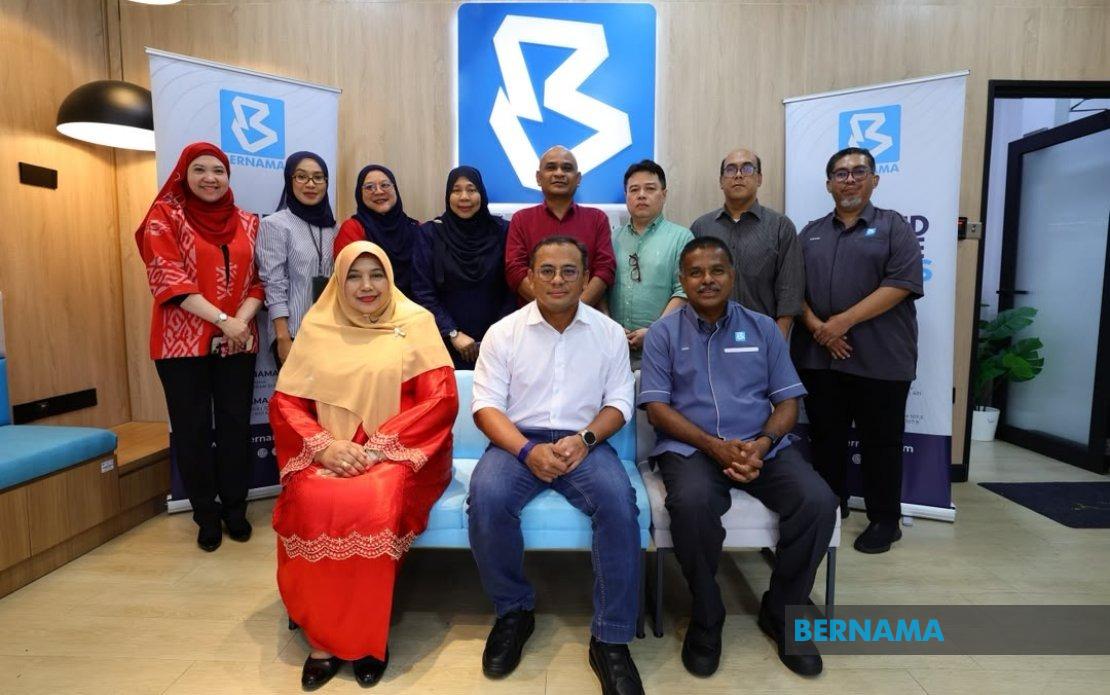
Datuk Seri Amirudin Shari, the Selangor Menteri Besar and Pakatan Harapan election director, made an unscheduled inspection of Bernama's Negeri Sembilan operations headquarters on Saturday afternoon, gaining firsthand insight into the Malaysian National News Agency's logistical preparations for covering the state election campaign. The visit underscored the importance both political leadership and major media institutions place on ensuring comprehensive and timely reporting during electoral contests, particularly in competitive states where information dissemination shapes voter perception.
Arriving at the Seremban bureau at 2 pm, Amirudin was received by senior management including chief executive officer Datin Paduka Nur-ul Afida Kamaludin and editor-in-chief Arul Rajoo Durar Raj, alongside deputy editor-in-chief Mohd Shukri Ishak and bureau chief Nursyabiha Sukri. The presence of Bernama's top echelon reflected the agency's commitment to facilitating access for high-level political figures, a practice that maintains the news organisation's position as a central player in Malaysia's electoral information ecosystem.
During his time at the facility, Amirudin received a comprehensive briefing from Negeri Sembilan election coverage coordinating editor Mohd Hisham Abdul Rafar, who outlined Bernama's news gathering strategy across the campaign period. The presentation covered the agency's operational workflow, resource deployment, and editorial protocols guiding its third day of election coverage. For Malaysian readers, such visits illuminate how state and federal institutions coordinate during elections, demonstrating the infrastructure underlying media coverage that voters rely upon when forming electoral judgments.
Bernama's role as the official national news agency carries particular significance in Malaysian politics, where its reporting reaches newsrooms, government offices, and media outlets nationwide. The Negeri Sembilan bureau's transformation into a temporary election command centre reflects broader practices whereby major news organisations centralise resources during state polls. This concentration of journalistic capability allows for systematic monitoring of campaign developments, candidate activities, and electoral logistics—information that subsequently flows through Malaysian media networks and shapes public discourse.
The timing of Amirudin's visit, arriving during the third day of campaigning, suggests a routine check-in by the PH election machinery to assess how major news outlets are covering the contest. Such interactions, while ostensibly about maintaining communications channels, also reflect the political calculus surrounding media relations during elections. For observers tracking how different parties engage with news organisations, these visits provide indicators of campaign priorities and political leadership's confidence in specific institutions.
Amirudin's scheduled recording of a special interview with Bernama TV later in the day represented the broader cross-platform approach contemporary Malaysian politics adopts. Rather than limiting statements to print or single broadcast channels, political leaders increasingly leverage multiple media formats simultaneously, ensuring their messages reach audiences through television, online platforms, and traditional news wire services. This multimedia strategy acknowledges the fragmented media consumption patterns among Malaysian voters, particularly younger demographics that consume news across diverse channels.
The Negeri Sembilan state election constituted the 16th such contest under Malaysia's federal system, occurring within a broader context of heightened electoral activity across the peninsula. The Election Commission's scheduling of early voting for July 28 with polling day set for August 1 compressed the campaign window, intensifying demand on news organisations to provide rapid, accurate coverage. Bernama's centralised operations room approach enabled the agency to maintain consistent editorial standards while managing the increased reporting volume characteristic of state election periods.
For Malaysian media consumers, understanding the infrastructure supporting election coverage remains essential, particularly as misinformation and fragmented reporting challenges grow more pronounced. Bernama's status as the national news agency provides it with certain advantages in accessing official information and coordinating with government institutions, though this proximity to state structures occasionally generates debate among media critics regarding editorial independence. The agency's transparent operation of visible command centres during elections represents an attempt to demonstrate professional standards and institutional accountability, though assessments of whether such visibility translates to genuinely independent reporting remain contested among Malaysian journalism observers.
The visit also contextualised broader questions about how Malaysia's political leadership engages with news media during elections. Amirudin's presence as PH election director visiting a major news agency's operations room exemplified how contemporary campaign strategies integrate media engagement into core electoral planning. Rather than maintaining distance from news organisations, modern Malaysian political campaigns actively cultivate relationships with media institutions, recognising that information flow significantly influences campaign momentum and voter decision-making.
Negeri Sembilan's electoral significance extends beyond the immediate state-level competition, as the results carry implications for federal political calculations. The state's shifting political alignments in recent election cycles have influenced broader coalition dynamics at the national level, making comprehensive, credible election coverage particularly valuable for national political observers and international commentators tracking Malaysian democratic developments. Bernama's coverage, reaching government offices and international correspondents alike, thus carries weight extending far beyond the state itself.
The election coverage operations Bernama established for the Negeri Sembilan contest reflect institutional learning from previous state elections, incorporating technological advances in information gathering and dissemination. Modern election coverage centres maintain real-time monitoring capabilities, coordinate with polling station observers, and manage multiple reporting streams simultaneously—a complexity that requires significant organisational resources and editorial expertise. Amirudin's tour of these facilities provided him with practical understanding of the logistical demands supporting contemporary election journalism in Malaysia.
Looking forward, the 16th Negeri Sembilan election campaign would continue generating substantial media coverage through August 1, with news organisations competing to provide comprehensive, timely reporting that serves voters attempting to assess candidate credentials and party platforms. Bernama's visible operational presence, confirmed through senior political leadership visits, reinforced its position as a central node in Malaysia's election information infrastructure, even as digital platforms and alternative media sources increasingly challenge traditional news agencies' gatekeeping roles in shaping electoral narratives.

