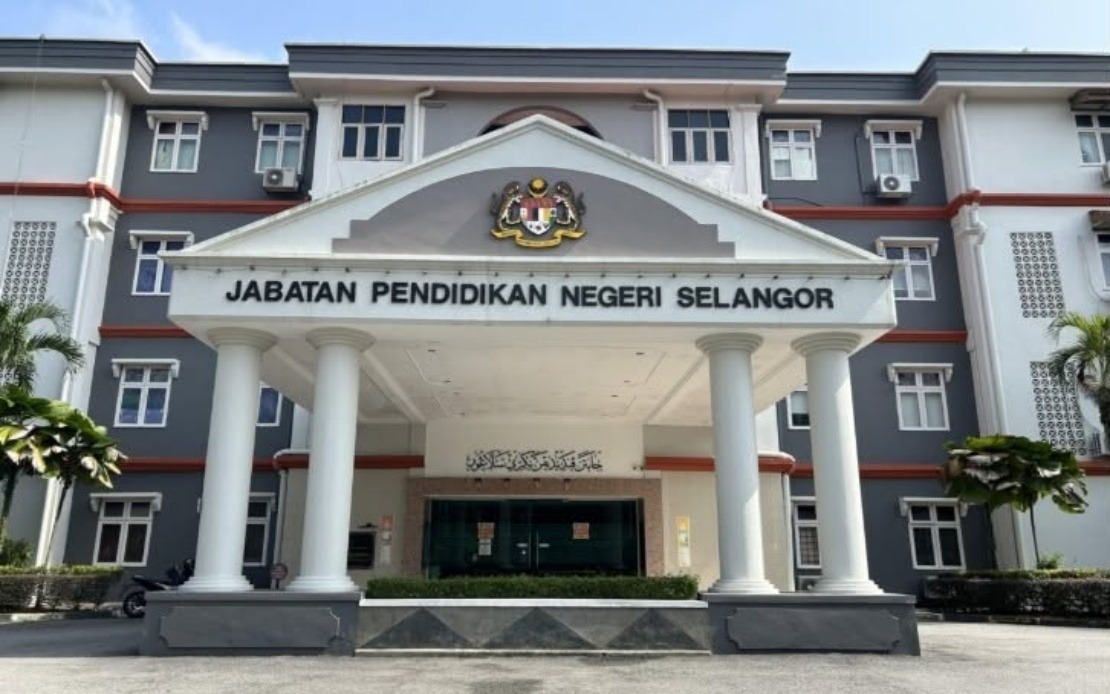
The Selangor State Education Department has declared its unwavering commitment to investigating an alleged bullying incident involving secondary school students in Rawang that ignited widespread public concern after video evidence circulated across social media platforms. In a formal statement released on July 12, the department made clear that its response would be uncompromising, with assurances that no individual implicated in the matter would receive preferential treatment regardless of their circumstances or connections.
The incident, which captured public attention through viral social media posts, has prompted coordinated action between multiple authorities. Police investigations are already underway into the allegations, with the education department coordinating its efforts alongside law enforcement to establish a complete factual record of events. This multi-agency approach reflects the seriousness with which officials are treating what appears to be a significant breach of student conduct and safety protocols.
The Selangor JPN emphasised that incidents of student misconduct—particularly those involving bullying that threatens the physical or psychological wellbeing of other students—represent a critical failure of the school environment's duty of care. The department's statement underscored that any form of bullying fundamentally undermines the safety and welfare protections that must exist within educational institutions. This messaging signals an institutional acknowledgment that such behaviour cannot be tolerated or minimised within Malaysian schools.
The viral nature of this incident illustrates how social media has transformed the landscape of school accountability in Malaysia. What might once have remained confined to local communities now reaches hundreds of thousands of viewers within hours, creating immediate public pressure for institutional response. Education authorities across the country are increasingly aware that their handling of such cases directly affects public confidence in school safety and institutional credibility.
By explicitly stating that strict action would be taken against those found responsible in accordance with existing regulations, the Selangor JPN has signalled that established disciplinary frameworks—including potential expulsion, parental involvement, and counselling requirements—will be fully deployed. This regulatory approach provides a clear pathway for accountability while maintaining procedural fairness throughout the investigation process. The emphasis on regulation rather than ad hoc punishment demonstrates the department's commitment to systematic, consistent responses to serious misconduct.
The timing of this bullying case coincides with broader national conversations about student safety and the effectiveness of school management systems in preventing and responding to misconduct. Parents and educators across Malaysia have become increasingly vocal about incidents of bullying, with particular concern about cases involving physical violence or sustained harassment. The Selangor case thus carries implications beyond its immediate school community, potentially influencing how education authorities nationwide approach similar situations.
Public appeals for restraint and respect for the investigative process represent an important aspect of the department's statement. By urging the public to allow authorities to conduct their work without interference or predetermined conclusions, the Selangor JPN is attempting to preserve the integrity of evidence-gathering while also managing social media speculation that can sometimes distort understanding of incidents. This balancing act—between transparency and proper procedure—presents a genuine challenge for modern educational administrators navigating both public accountability and legal fairness.
The incident also raises questions about broader bullying prevention strategies within Selangor schools. Whether this case represents an isolated incident or symptomatic of wider systemic issues remains unclear, but the department's response will likely prompt reviews of anti-bullying protocols, staff training programmes, and reporting mechanisms across the state's secondary school system. Such reviews could lead to more comprehensive preventative measures, improved peer support systems, and clearer guidelines for student conduct.
For Malaysian parents and students, this case serves as a sobering reminder of the realities that exist within school environments despite official safety policies. The incident demonstrates that strong institutional responses, while necessary, can only work effectively when supported by community vigilance, parental engagement, and a broader cultural shift that treats bullying as unacceptable rather than a normal part of school life. The challenge facing education authorities extends beyond investigating individual incidents to reshaping school culture itself.
The Selangor JPN's commitment to full cooperation and strict accountability reflects international best practices in addressing school misconduct, yet implementation remains the crucial test. How thoroughly the investigation proceeds, how transparently its outcomes are communicated to the school community, and what systemic changes emerge from this incident will ultimately determine whether this case prompts meaningful institutional improvement or simply represents another viral moment that fades from public memory without lasting reform.

