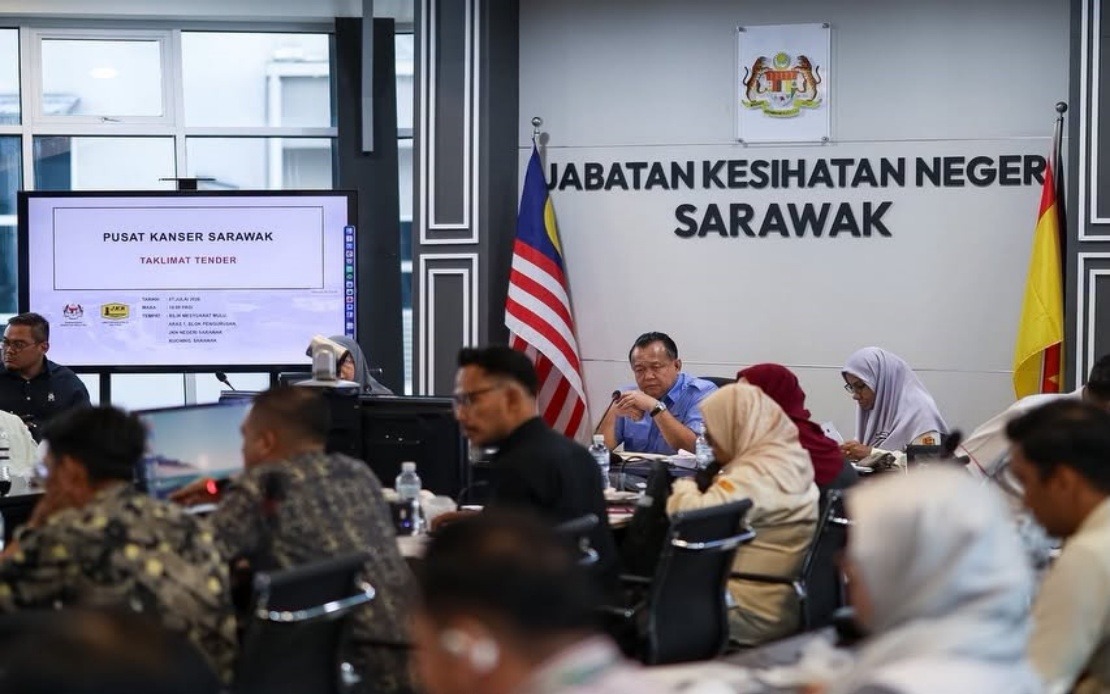
Sarawak's ambitious cancer centre project is poised to move into its construction phase early next year, marking a significant milestone in the state's healthcare infrastructure development. Works Minister Datuk Seri Alexander Nanta Linggi confirmed that the Kota Samarahan facility will begin work once the successful contractor receives its Letter of Acceptance, expected in early January 2027. The timeline represents a coordinated approach between state authorities and prospective builders to deliver what officials describe as a modern, comprehensive cancer treatment hub serving the region.
The procurement process is currently in its critical design-and-build tender stage, with ten contractors having cleared the pre-qualification hurdle. These firms attended a detailed project briefing to familiarise themselves with the full scope of work before preparing their formal proposals. The three-month window given to bidders reflects the complexity of delivering a healthcare facility that must satisfy both architectural and medical specifications. Once proposals land, the evaluation process will determine which contractor secures the lucrative contract to manage both design and construction phases.
The successful bidder faces an ambitious delivery schedule. They will be allocated 60 months—five years—to complete all design work and construction, with an additional two-year Defects Liability Period following practical completion. This extended timeline ensures quality control and allows for rectification of any defects before the state assumes full operational responsibility. The staggered approach is common for major public healthcare projects across Southeast Asia, where rigorous testing and compliance verification are non-negotiable.
Design standards represent a non-negotiable element of the contract. All architectural and engineering plans must adhere strictly to requirements stipulated by Malaysia's Health Ministry while simultaneously embracing contemporary healthcare facility best practices. This dual obligation ensures the centre meets national regulatory standards while offering patients and staff a modern therapeutic environment. The integration of the latest medical technology and patient-centred design principles will position the facility as a regional benchmark.
The physical footprint underscores the ambition of this development. The cancer centre will occupy 10.9 hectares adjacent to the existing Sarawak Heart Centre, creating a specialised medical precinct. This strategic co-location allows for shared infrastructure, centralised emergency services, and potential collaboration between cardio-oncology specialists treating patients with complex conditions. The 310-bed capacity addresses projected demand for cancer treatment across Sarawak and surrounding areas, with facilities designed to accommodate both outpatient consultations and inpatient hospitalisation.
Financial commitments highlight the project's importance to Sarawak's long-term healthcare agenda. The total project cost is estimated to exceed RM1 billion, a substantial investment that reflects the complexity of constructing a modern tertiary hospital. The Sarawak state government has allocated RM1 billion for the initiative, with reimbursement mechanisms agreed between state and federal authorities. This funding model, common for major infrastructure projects, ensures fiscal responsibility while securing necessary capital for timely completion.
The broader healthcare context gives this project heightened significance. Cancer incidence across Malaysia and Southeast Asia continues climbing, driven by aging populations, lifestyle changes, and improved diagnostic capabilities. Sarawak, with its dispersed geography and significant rural populations, faces particular challenges in delivering specialist oncology services. A dedicated cancer centre anchored in Kota Samarahan positions the state to provide centralised, high-quality treatment while establishing training facilities for healthcare professionals across the region.
Regional implications extend beyond Sarawak's borders. The facility will likely attract patients from Brunei and Indonesian Kalimantan, consolidating Sarawak's position as a healthcare destination. The centre's establishment creates opportunities for knowledge exchange with international cancer research institutions and supports medical tourism, generating economic activity beyond direct patient care. For Malaysian readers, the project exemplifies how state governments are investing in specialised healthcare infrastructure to reduce treatment bottlenecks and improve survival outcomes.
The timing of this announcement underscores Sarawak's commitment to infrastructure modernisation under current state leadership. Healthcare capacity expansion aligns with broader regional development goals, including population retention and economic diversification. By investing in tertiary healthcare, Sarawak strengthens its appeal to skilled workers and demonstrates confidence in sustained economic growth. The cancer centre becomes not merely a medical facility but a symbol of developmental progress and governance competence.
Looking ahead, successful project delivery depends on contractor performance and regulatory coordination. The three-month bidding period will test whether the Malaysian construction sector possesses the technical capacity for complex healthcare delivery. International best practice suggests similar projects face common challenges: design coordination, supply chain resilience, and skilled labour availability. Close monitoring by the Works Ministry and Health Ministry will be essential to maintain timelines and quality standards. For patients and families across Sarawak and beyond, the January 2027 commencement date represents genuine hope for improved access to specialised cancer treatment within the region.

