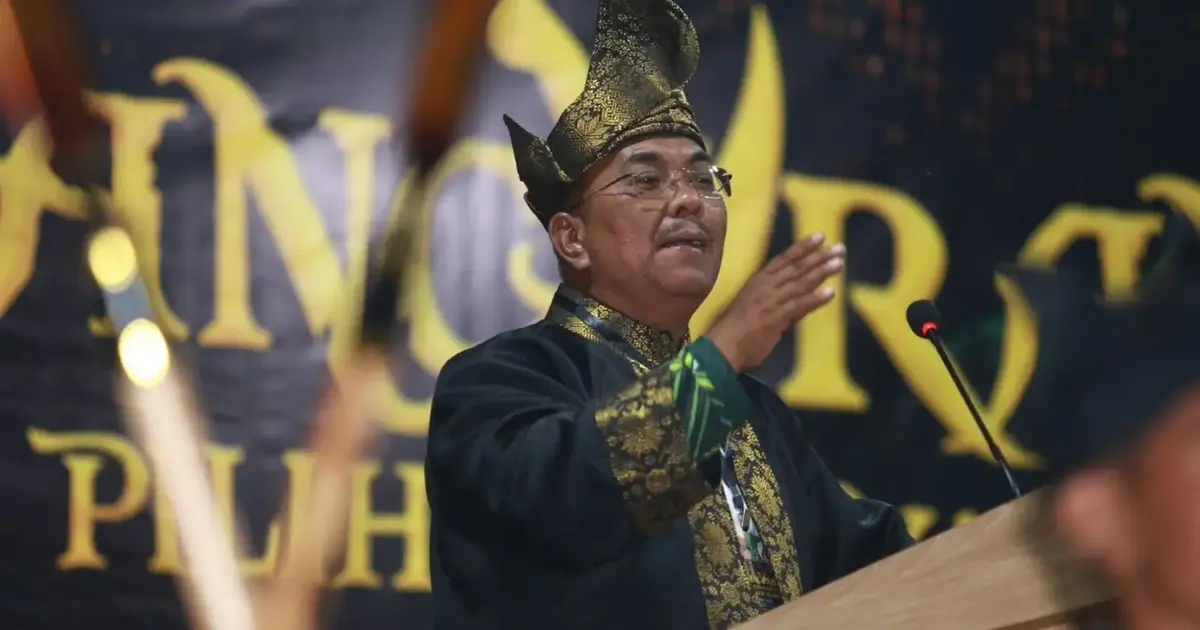
Prospects of a dominant electoral performance by Kedah's Menteri Besar Datuk Seri Sanusi Md Nor face serious scepticism from within the Pakatan Harapan coalition, with senior representatives from two of its component parties dismissing his ambitions as unrealistic. The assertions come as the nation's political landscape continues to shift ahead of potential state-level contests, with various leaders staking claims about their electoral capabilities.
PKR strategist Wong Bau Ek articulated a fundamental principle governing electoral contests: voter decisions ultimately rest upon tangible governmental achievements rather than rhetorical positioning or perceived momentum. According to Wong, constituents evaluate their representatives based on concrete policy outcomes, economic benefits, and service delivery rather than abstract political narratives. This assessment suggests that simply claiming electoral dominance—without demonstrable improvements to citizens' daily lives—carries limited persuasive power in the electoral arena. The emphasis on performance metrics reflects a broader understanding within the coalition that Malaysian voters, particularly in Kedah, have grown increasingly discerning about distinguishing between campaign promises and administrative reality.
Paralleling this analysis, DAP representative Teh Swee Leong offered a contrasting perspective on the political dynamics at play. Rather than focusing solely on performance metrics, Teh contended that the purported "wave" benefiting PAS and Perikatan Nasional appears considerably less formidable when examined beyond headline claims. This characterisation challenges the narrative that has dominated recent political discourse, where PN's electoral prospects have been prominently featured in news coverage and polling discussions. Teh's statement implies that media amplification and political rhetoric have inflated perceptions of opposition strength beyond what grassroots sentiment actually demonstrates.
The Kedah political scene represents a microcosm of broader coalition tensions across Malaysia. The state has traditionally been a PAS stronghold, though the 2018 general election witnessed a historic transition when Pakatan Harapan briefly held the state before internal conflicts fractured the coalition's governance. The subsequent return to PAS-led administration, particularly with Sanusi's appointment as Menteri Besar, reflected the complex realignment of Malaysian politics during a period of institutional and constitutional flux. Understanding current assessments of Sanusi's electoral prospects therefore requires grasping these deeper historical currents.
Pakatan Harapan's internal statements regarding Kedah elections carry particular significance given the coalition's reduced parliamentary representation and the need to consolidate remaining strongholds. The scepticism expressed by PKR and DAP representatives suggests these parties view the electoral landscape as considerably more contested than PN leadership claims. Such divergences between coalition members and opposition parties often provide windows into genuine political calculations occurring beyond public rhetoric, indicating where strategists genuinely believe vulnerability or strength exists.
Wong's emphasis on performance-based voter assessment aligns with broader patterns observed across Malaysian electoral behaviour. Voters in states with extended experience of particular administrations tend to evaluate them against their predecessors and against manifesto commitments. In Kedah's case, this means Sanusi's tenure would be measured against both the brief Pakatan Harapan period and the earlier PAS governance era, with voters potentially weighing factors including economic development, infrastructure investment, and public service quality. Performance thus becomes not merely a rhetorical tool but an objective measure upon which electoral verdicts ultimately depend.
Teh's assessment of a weakened political "wave" warrants closer examination within Southeast Asian context. Malaysian politics has historically experienced periods of sudden electoral realignment, yet predicting their trajectory remains notoriously difficult. The characterisation that PN's momentum appears overstated suggests DAP strategists believe media narratives have outpaced genuine grassroots enthusiasm, a distinction with significant implications for state-level electoral calculations. If accurate, this assessment would indicate that while PN maintains substantial political presence, it lacks the overwhelming momentum that absolute sweeps would require.
The coalition dynamics revealed through these statements also illuminate tensions within Malaysia's ruling structures. Pakatan Harapan's continued emphasis on electoral viability despite reduced parliamentary seats reflects determination to remain electorally competitive, while simultaneous scepticism toward opposition claims suggests coalition partners maintain realistic assessments of their respective vulnerabilities and strengths. These internal discussions, when filtered through public statements, provide strategic signals to voters and analysts about genuine political calculations occurring within institutional frameworks.
For Kedah voters specifically, the competing claims from various political actors present a landscape requiring discernment. Wong's insistence that performance metrics determine electoral outcomes implicitly invites voters to evaluate their current state government against stated objectives and tangible results. Teh's cautioning against presumed PN momentum similarly encourages citizens to look beyond headline political narratives and assess actual governance capacity and demonstrated commitment to constituent welfare. Together, these statements frame the electoral conversation around substantive governance rather than mere partisan positioning.
The broader implications for Malaysian politics remain significant. If PH representatives' assessments prove accurate, it would suggest the political pendulum has stabilised toward equilibrium rather than swinging decisively toward any single bloc. Such stability could enable more predictable governance while simultaneously reducing the likelihood of the transformative electoral mandates that periodically reshape Malaysian politics. Conversely, should PN indeed achieve dominant electoral performances despite these cautionary statements, it would vindicate claims about substantial political realignment that transcends traditional coalition boundaries and voter demographics.
As potential electoral contests loom, the scepticism articulated by Wong and Teh represents more than routine political commentary. It constitutes a calculated strategic response indicating where PH representatives believe their most defensible positions exist and where they perceive genuine vulnerability. Whether voters ultimately validate or reject these competing assessments will substantially influence the trajectory of Malaysian politics across multiple governance levels and determine which parties possess mandate for implementing their respective policy agendas throughout the coming term.