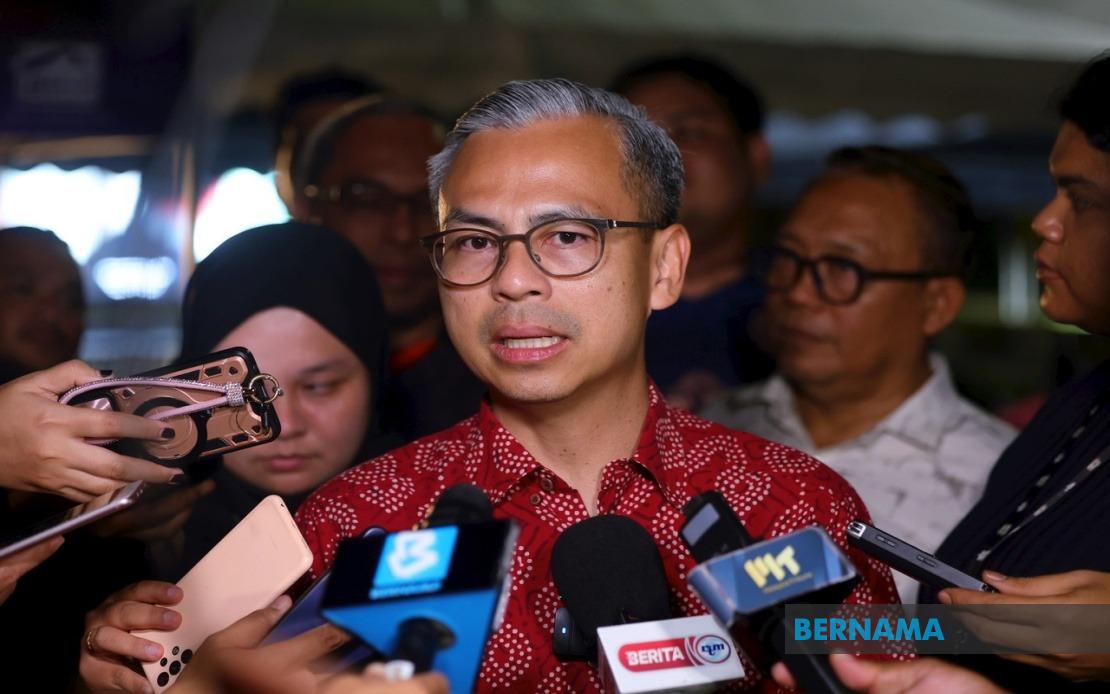
Pakatan Harapan communications director Datuk Seri Fahmi Fadzil has levelled sharp criticism at Kedah Menteri Besar Datuk Seri Muhammad Sanusi Md Nor, asserting that recent statements touching on racial and immigrant issues epitomise the approach PAS leadership routinely employs to inflame communal tensions and fragment society. Speaking to reporters at the Wayang Pacak community engagement programme in Taman Saujana Rompin near Jempol on July 25, Fahmi characterised such rhetoric as fundamentally at odds with responsible governance, particularly in a nation as ethnically heterogeneous as Malaysia.
Sanusi had previously generated controversy during a Barisan Nasional and Perikatan Nasional Premier Talk held in Jempol on July 24, coinciding with campaigning for the Negeri Sembilan state election. In those remarks, the PAS election director asserted that Malaysia represents exclusively Malay territory, suggesting that other ethnic communities possess their own countries of origin including India and China. The statement encapsulates a recurring rhetorical pattern within PAS that frames Malaysia's constitutional social contract through a narrowly particularistic lens rather than as a shared civic foundation binding all Malaysians regardless of ethnicity.
Fahmi's critique extends beyond isolated commentary, positioning Sanusi's language within what he describes as an institutional tendency within PAS to weaponise identity politics. He noted that similar divisive utterances have emanated from PAS's own party president, suggesting a systematic rather than occasional phenomenon. This framing carries significance for Malaysian politics, as it seeks to establish that such statements reflect organisational culture rather than individual missteps. By connecting Sanusi's remarks to broader PAS governance philosophy, Fahmi attempts to undermine the credibility of PAS's claim to represent all Malaysians equitably.
The communications minister articulated an alternative vision centred on national integration and mutual respect for diversity. He emphasised that authentic political leadership should consciously foster societal cohesion, actively acknowledge differences without weaponising them, and work systematically toward binding citizens together rather than emphasising fractious boundaries. This formulation presents a direct ideological opposition to what Fahmi characterises as PAS's approach, positioning Pakatan Harapan as the custodian of inclusive Malaysian nationalism.
Fahmi further contextualised his objections within Malaysia's historical trajectory and national commemorations. He underscored that the nation has enjoyed independence for decades and regularly marks National Month celebrations, making it incumbent upon all political actors to prioritise unifying endeavours rather than issuing statements embodying discriminatory messaging. This invocation of established national traditions and symbols serves to delegitimise Sanusi's framing by suggesting it contradicts long-established Malaysian civic practices and constitutional values.
While expressing hope that Sanusi would reflect upon his statements and modify his political conduct, Fahmi expressed studied pessimism about the likelihood of such transformation occurring. This rhetorical move simultaneously appeals to conscience while simultaneously delegitimising the target by implying their character renders reform improbable. The tactical ambivalence allows Fahmi to position himself as calling for responsible behaviour whilst signalling to his political base that fundamental change in PAS orientations should not be anticipated.
Fahmi additionally directed criticism toward Datuk Dr Asyraf Wajdi Dusuki, chairman of the Malaysian Reconstruction Agency, for statements linking Democratic Action Party secretary-general Anthony Loke as a potential Menteri Besar candidate should the incumbent Datuk Seri Aminuddin Harun lose the Negeri Sembilan election. Fahmi highlighted that the Negeri Sembilan Constitution has long reserved the Menteri Besar position exclusively for Malays, rendering Asyraf Wajdi's insinuation constitutionally groundless. He called upon Asyraf Wajdi to issue a formal apology to Negeri Sembilan residents for what Fahmi characterised as a deliberate falsehood designed to generate fear-based electoral mobilisation.
Rejecting assertions from former Rembau member of parliament Khairy Jamaluddin that Malay voters in Johor extend merely ten percent support to Pakatan Harapan, Fahmi contended that electoral dynamics vary significantly across different states. He expressed confidence in the Aminuddin administration's demonstrated commitment to advancing the welfare of all Negeri Sembilan residents across ethnic lines, suggesting that such inclusive governance generates electoral reward among voters of all communities.
Fahmi also addressed speculation from UMNO deputy president Datuk Seri Mohamad Hasan regarding the possibility of holding the sixteenth general election by year's end. Characterising such commentary as personal conjecture rather than government policy, Fahmi explained that Cabinet discussions have not touched upon early election scheduling. He stressed that Prime Minister Datuk Seri Anwar Ibrahim and the current ministerial team have prioritised economic stabilisation and recovery from geopolitical disruptions in Western Asia, positioning electoral contests as secondary to fundamental economic imperatives.
These exchanges underscore deepening tensions within Malaysia's political landscape as the Negeri Sembilan state election approaches. The contest has become a canvas upon which broader questions about national identity, constitutional interpretation, and the proper conduct of Malaysian politics are contested. Fahmi's comprehensive critique attempts to paint PAS and allied figures as unfit custodians of pluralistic governance, whilst simultaneously defending the Aminuddin administration's record as genuinely serving all constituencies. The rhetorical battle reflects genuine divisions over whether Malaysian politics should emphasise collective national identity and inclusive institutions or whether particularistic communal interests should take priority in political organising and resource distribution.

