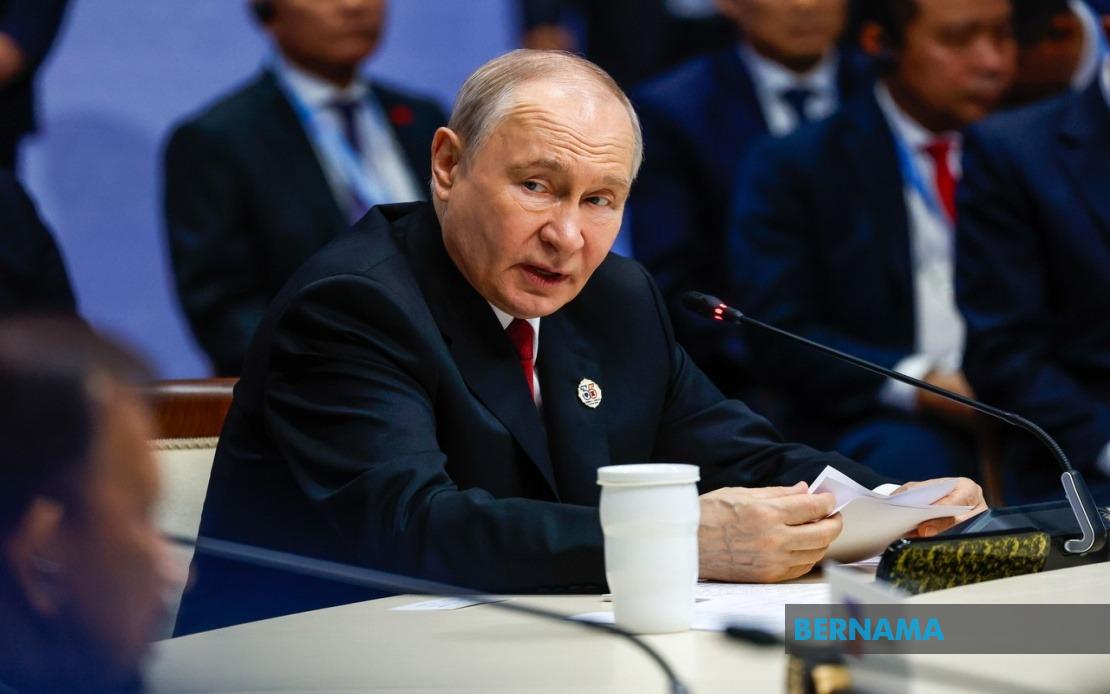
President Vladimir Putin has underscored the significance of Russia's three-and-a-half-decade relationship with the Association of Southeast Asian Nations, describing it as a crucial stabilising presence in an increasingly turbulent Asia-Pacific region. The assessment came during the opening of the ASEAN-Russia Commemorative Summit held in Kazan, which brought together Russian leadership and ASEAN member states to mark the milestone anniversary of formal diplomatic engagement established in 1991 at Kuala Lumpur.
The partnership between Russia and Southeast Asia has evolved considerably over this period, progressing through several institutional stages that reflect deepening commitment. Moscow attained full ASEAN Dialogue Partner status in 1996, a designation that provided formal mechanisms for engagement across multiple policy domains. The relationship reached its current elevated status in 2018 when it was formally designated a Strategic Partnership, recognising the breadth and depth of cooperation that had accumulated across political, security, economic and cultural spheres. This trajectory demonstrates how bilateral frameworks can mature through sustained engagement even across the vast geographic and geopolitical distances separating Russia from Southeast Asia.
Putin emphasised that the foundation of Russia-ASEAN relations rests on universally accepted principles of international law and recognition of mutual interests, framing these commitments as enduring even as the regional and global landscape shifts. He highlighted the extensive legal and contractual framework that now governs cooperation, alongside an intricate web of joint mechanisms that facilitate coordination across numerous sectors. This institutional architecture represents decades of accumulated diplomatic investment and reflects the intention of both parties to maintain engagement regardless of external pressures or policy divergences.
The scope of Russia-ASEAN cooperation spans an impressive range of domains, extending well beyond traditional security and political considerations. Trade and investment relationships form an economic backbone, while energy security has emerged as particularly significant given Russia's position as a major hydrocarbon exporter and ASEAN nations' substantial energy demands. Agricultural cooperation addresses food security concerns that resonate throughout the region, whilst collaboration in digitalisation reflects recognition of shared interests in technology governance and economic modernisation. Educational exchanges and scientific partnerships have fostered people-to-people connections, with Russian universities attracting Southeast Asian students and research institutions pursuing joint projects.
For Malaysia and other ASEAN members, Russia represents a distinctive type of strategic partner offering capabilities and interests that complement those of other major powers. Russian strength in energy technology, agricultural expertise, and higher education creates tangible benefits for Southeast Asian economies seeking diversified partnerships and technology transfer. Malaysia, as a regional heavyweight with its own significant energy sector, has particular interest in maintaining robust technical collaboration and investment flows with Moscow, while the broader ASEAN grouping values Russia as a major power willing to engage without the historical baggage or regional military presence that characterises some other dialogue partners.
The timing of this commemorative summit carries particular significance in the context of contemporary geopolitical uncertainties. Both the summit's agenda and Putin's remarks reflected concern with how Russia and ASEAN can contribute to constructing a more balanced security architecture in the Asia-Pacific. This framing suggests Russian awareness that Southeast Asian nations maintain careful diplomatic equilibrium, engaging with multiple major powers while seeking to avoid becoming proxy battlegrounds in great-power competition. ASEAN's doctrine of strategic autonomy and its commitment to centrality in regional affairs require relationships with Russia, the United States, China, India and others that remain sufficiently balanced to preserve organisational coherence.
The summit programme centred on three interconnected objectives: reviewing the accumulated achievements of three-and-a-half decades of cooperation, examining current regional and international developments through a bilateral lens, and identifying future priorities and strategic objectives. This retrospective-prospective approach acknowledges both satisfaction with historical relationship-building and recognition that evolving circumstances demand reassessment of cooperation modalities. Food and energy security concerns, digital transformation challenges, educational advancement and people-to-people exchange represent areas where Russia and ASEAN perceive mutual benefit despite other international disagreements.
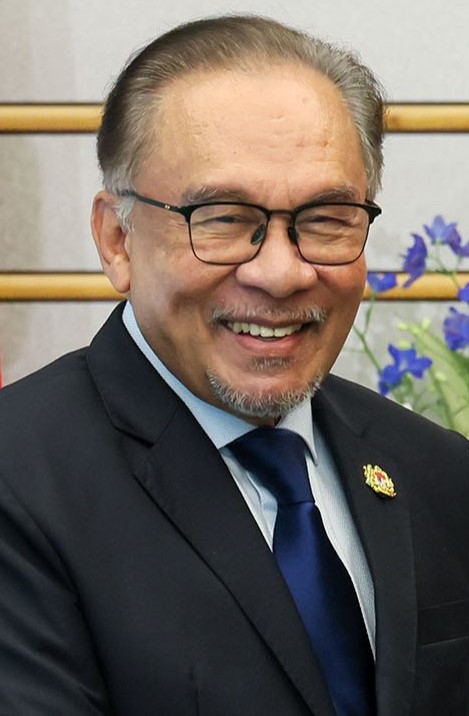
The attendance of Prime Minister Datuk Seri Anwar Ibrahim alongside Philippine President Ferdinand Marcos Jr—who held the ASEAN Chair at the time—and other ASEAN leaders demonstrated senior-level commitment to the relationship. Malaysian representation at such a high level reflects the country's interest in maintaining constructive engagement with Russia while fulfilling ASEAN obligations to preserve dialogue with major powers. The two-day format allowed for substantive discussions beyond ceremonial functions, suggesting serious intent to advance specific cooperative projects and address practical implementation challenges.
Russia's perspective on ASEAN positioning reflects broader strategic calculations about Asia-Pacific relevance and influence. Moscow views ASEAN as instrumental to its endeavours to strengthen engagement with the region's dynamic economies and rising geopolitical weight. Conversely, ASEAN's continued willingness to designate Russia as a key dialogue partner—despite various international pressures and disagreements on specific issues—underscores the regional bloc's commitment to maintaining relationships with all significant powers while managing competing interests through mechanisms like ASEAN Regional Forum and East Asia Summit processes.
For Malaysian observers and policymakers, this summit reinforces several analytical points. Southeast Asia's success in maintaining strategic autonomy depends partly on preserving functional relationships with major powers including Russia, regardless of periodic tensions or disagreements. The breadth of Russia-ASEAN cooperation mechanisms demonstrates that strategic partnership need not require alignment on all international issues but rather commitment to structured dialogue and mutual benefit identification. As geopolitical competition intensifies in the region, ASEAN's capacity to engage constructively with multiple partners—including Russia—contributes to overall stability and reduces pressure on Southeast Asian nations to choose sides in broader international conflicts.