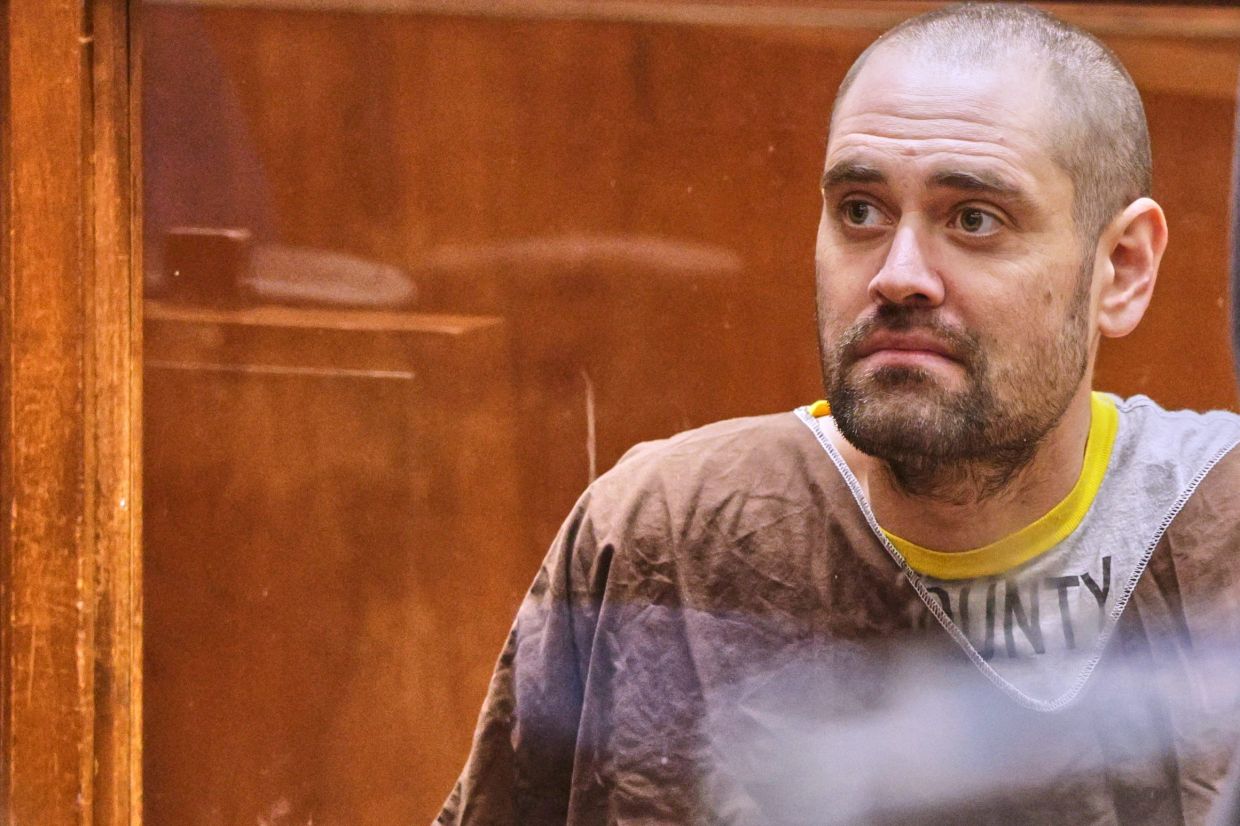
Nick Reiner, the 32-year-old son of acclaimed Hollywood director Rob Reiner, has filed a petition in Los Angeles County court seeking immediate access to funds held in a trust established by his parents. The move marks a significant development in the extraordinary case, as Reiner seeks to secure financial resources to defend himself against charges that he murdered both his mother and father in their Brentwood home on December 14 last year.
According to court documents filed on Monday, Reiner's civil attorneys contend that the trustees managing the trust have wrongfully withheld the money despite having no legal justification for doing so. The petition emphasises that Reiner maintains his presumption of innocence and, like any defendant, should have access to his own lawful assets to mount a proper defence. The filing states: "Nick loved his parents, and he is devastated by their deaths. But the facts about what did and did not happen to them are not at issue in this Trust litigation." This separation between Reiner's grief and his legal entitlements forms the crux of his argument to the court.
The circumstances leading to this petition reveal deepening complications in Reiner's legal situation. He initially retained Alan Jackson, a high-profile private attorney, but Jackson withdrew from the case less than a month into representation, citing reasons he declined to disclose publicly. The newly filed court documents reveal that Reiner's siblings, Jake and Romy Reiner, had initially agreed to fund Jackson's legal work but subsequently reversed their position, effectively leaving him without means to pay for representation. In a declaration accompanying the petition, Jackson signalled his willingness to return to the case should funds become available, suggesting financial constraints rather than substantive legal disagreements prompted his departure.
The trust in question represents one of several financial instruments Rob and Michele Singer Reiner established for their children. Apart from the larger family trust, which remains uninvolved in this dispute, the couple created individual trusts for Nick and his siblings. According to the petition, the trust established for Nick in 1993 contained explicit instructions that he receive half of its assets upon turning 30 and the remainder at 35. The filing alleges that Reiner never received the funds due at 30, and the current trustee has since employed what the petition characterises as "a shifting series of excuses and justifications" to deny him access to the money.
The trustee in question, attorney Paul R. Kanin, has cited concerns about Reiner's competence as grounds for withholding distributions, according to the filing. However, Reiner's lawyers argue that such concerns are irrelevant to a mandatory payout governed by clear, unambiguous trust language. This argument highlights a tension in trust law between protective measures designed to safeguard beneficiaries and their fundamental right to receive distributions to which they are entitled. The filing suggests Kanin's objections, however well-intentioned, exceed the legal authority granted to him as trustee. Kanin has not yet responded to requests for comment on the allegations.
The financial stakes involved in this dispute are substantial. Court documents indicate the trust holds at least 1.5 million dollars in assets, though Kanin has reportedly declined to disclose the exact value. Reiner's petition seeks not only the funds he should have received at 30 but also an immediate distribution of the money designated for his 35th birthday, arguing that both his legal defence and basic necessities while incarcerated require immediate access to these resources. This dual argument—combining legal necessity with humanitarian need—represents a strategic framing designed to appeal to judicial discretion in an already extraordinary case.
The murder case itself has proceeded with notable caution and opacity. Rob Reiner, the 77-year-old directing veteran whose filmography spans some of cinema's most celebrated works, and Michele Singer Reiner, a photographer and producer, were found fatally stabbed in their home. Nick Reiner was arrested hours after the discovery and has pleaded not guilty to two counts of murder. He currently faces the possibility of capital punishment, though District Attorney Nathan Hochman has indicated that his office has not yet finalised its decision on whether to pursue the death penalty. Pretrial proceedings are scheduled to resume in September, suggesting the legal process remains in its early stages.
The conspicuous absence of information about motive or detailed evidence has defined public understanding of the case. Court orders have sealed critical autopsy details, and both prosecutors and defence have maintained extraordinary discipline regarding case leaks. This information vacuum has left fundamental questions unanswered: what investigators believe happened in the Reiner home that night, whether physical or forensic evidence points toward or away from guilt, and what potential explanations exist for the alleged crime. The sealed nature of the proceedings reflects the sensitivity and complexity of the case, yet it also leaves observers, including Reiner's extended family, without crucial context.
The family dynamics exposed by these proceedings underscore the tragedy's scope. In April, Jake Reiner, Nick's brother, provided his first detailed public account of the ordeal, describing it as "a living nightmare" that remains "too devastating to comprehend." The fact that siblings have positioned themselves as financial gatekeepers against their brother's legal defence efforts suggests the family remains fractured by suspicion and grief. Whether that withholding reflects genuine concern for trust assets or implicit judgment about Nick's guilt remains unclear, but it has concrete consequences for his ability to afford adequate legal representation.
For Malaysian and Southeast Asian observers, this case presents a sobering illustration of how even substantial family wealth offers no protection against the convergence of tragedy and the criminal justice system. The access-to-justice questions at stake—the ability of an accused person to mount a meaningful defence when resources are constrained—resonate across legal systems. Whether Reiner ultimately succeeds in accessing his trust funds, and how that financial resolution relates to the underlying murder charges, will likely set precedent regarding trustees' obligations to release distributions to beneficiaries facing criminal prosecution. The Los Angeles court's decision on this petition will illuminate the boundaries between fiduciary protection and individual rights.