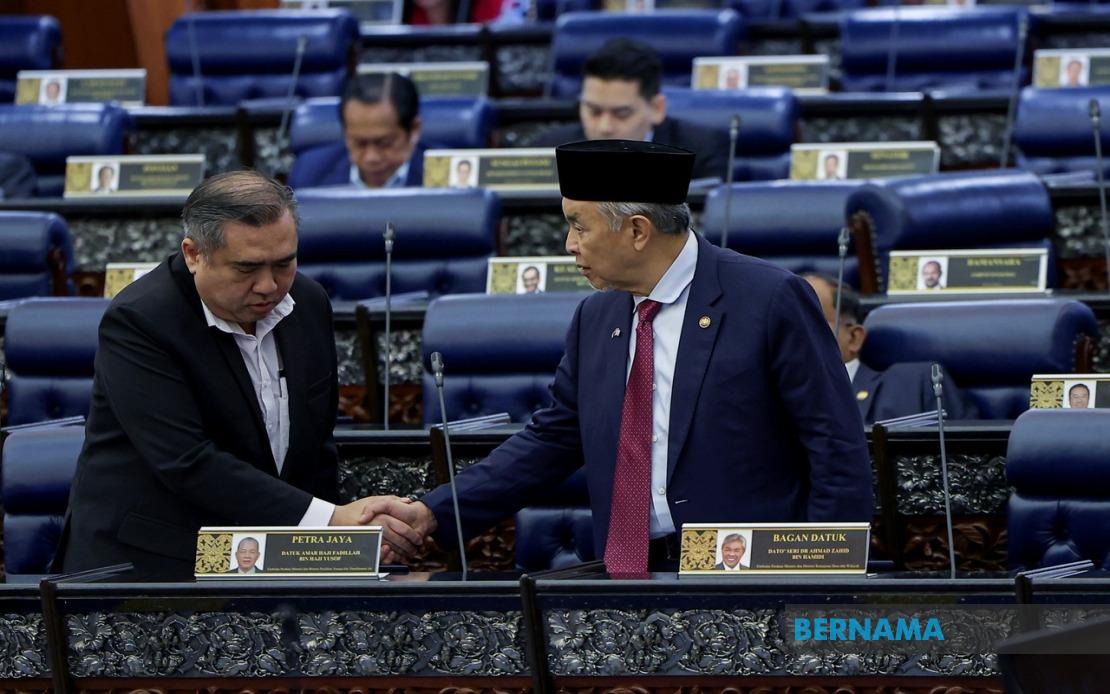
Parliament has begun legislative deliberations on the Road Transport (Amendment) Bill 2026, with Transport Minister Anthony Loke presenting the measure for its first reading in the Dewan Rakyat on June 22. The Bill represents a comprehensive overhaul of Malaysia's traffic enforcement framework, introducing significantly steeper financial penalties and extended custodial sentences for a broad range of road violations. The minister indicated that the second reading will proceed during the current parliamentary session, signalling the government's intent to move the legislation forward expeditiously.
The proposed amendments reflect a shift towards more stringent road safety regulation across multiple violation categories. Basic traffic offences will see minimum fines nearly doubled, rising from RM300 to RM500 for infractions such as failing to display a vehicle registration plate, operating a vehicle without a valid driving licence, exceeding speed limits, and disregarding traffic control devices. The framework also encompasses violations related to vehicle construction standards and equipment compliance, suggesting the authorities aim to tighten oversight of vehicle condition and roadworthiness standards alongside driver behaviour.
Particularly severe penalties target street racing and high-speed driving on public roads, activities that have become increasingly problematic in urban and periurban areas across Malaysia and the wider region. The new Section 42A creates a specific offence for racing or speed-testing on public roads, with first-time offenders facing fines ranging from RM2,000 to RM10,000, imprisonment up to two years, or both. Repeat offenders face substantially harsher consequences, including mandatory jail sentences of at least five years combined with fines between RM5,000 and RM20,000. This escalating penalty structure aims to deter repeat offenders and addresses public concern about dangerous driving behaviour that endangers road users.
The government has identified driving with a suspended licence as meriting particularly severe intervention. Under Clause 13, individuals caught operating vehicles during licence suspension periods will face imprisonment up to three years or financial penalties between RM3,000 and RM10,000, compared with the previous maximum of one year's jail or RM5,000 in fines. This tripling of potential jail time signals government determination to remove dangerous drivers from roads, particularly those whose licences have been suspended due to serious traffic violations or accumulation of offence points.
Administrative penalties for compoundable offences will also increase substantially. Clause 37 proposes raising the maximum compound amount from RM300 to RM500, providing enforcement officers greater flexibility in imposing financial settlements for minor infractions without requiring court proceedings. This adjustment recognises inflation and aims to maintain the deterrent effect of fines that have remained static for extended periods, though such increases may disproportionately affect lower-income road users unable to pay higher compound amounts quickly.
False statements and fraud-related offences receive the harshest treatment in the proposed legislation. Clauses 28 and associated sub-clauses impose penalties of up to RM200,000 in fines or ten years' imprisonment for individuals who make false declarations or provide misleading information to road transport authorities. These offences might include fabricating accident reports, submitting fraudulent vehicle documentation, or making dishonest insurance-related statements, reflecting government concern about systemic honesty in the transport regulatory system.
The amendments substantially expand enforcement capabilities for traffic and law enforcement personnel. Police officers and road transport officers receive broader powers to manage traffic flow, redirect vehicles, and exercise discretionary control in managing road conditions. Additionally, the legislation introduces specific mechanisms for handling micromobility vehicles—such as e-scooters and similar devices—that have proliferated in Malaysian urban areas, establishing procedures for detention and disposal of illegally parked or abandoned micromobility devices. This represents the first comprehensive legislative response to the challenges posed by these new transport modes.
Protection of enforcement personnel emerges as another key legislative priority. The amendments create a new arrestable offence for obstructing or assaulting road transport and enforcement officers during their official duties. Categorising such behaviour as arrestable—permitting detention without warrant—strengthens safeguards for officers facing hostile interactions and underscores government commitment to supporting enforcement operations. This provision reflects increasing instances of confrontations between enforcement personnel and drivers across Southeast Asian jurisdictions.
Clause 22 grants the Transport Minister enhanced regulatory authority over foreign motor vehicle entry permits, transferring Section 66 powers to ministerial control. This administrative centralisation allows the minister to prescribe fees and conditions for issuing permits to foreign vehicles operating within Malaysian territory, potentially affecting cross-border transport operators and international logistics firms utilising Malaysia's road networks. The change may influence regional transport connectivity, particularly given Malaysia's position as a transit hub connecting Thailand and Singapore.
The comprehensive nature of these amendments suggests the government perceives mounting concerns about road safety and enforcement consistency across the country. With Malaysia recording persistently high fatal accident rates relative to regional comparators, policymakers evidently believe that increased penalties, expanded enforcement powers, and stricter regulations targeting habitual offenders will improve compliance and reduce the incidence of dangerous driving behaviours. However, effectiveness will ultimately depend on consistent enforcement, public education campaigns explaining the new penalties, and police and transport authority capacity to implement the expanded legal framework uniformly across urban and rural areas.
Implementation challenges will likely prove significant, particularly regarding the detention and disposal procedures for micromobility devices and ensuring officers apply the expanded powers consistently without discriminatory application. The legislation's emphasis on financial penalties raises questions about equity, as lower-income Malaysians may disproportionately experience financial burden from increased fines, though mandatory imprisonment terms for serious violations like driving with suspended licences may prove more effective deterrents across socioeconomic groups. The parliamentary process will reveal whether opposition MPs propose amendments addressing equity concerns or enforcement feasibility questions.

