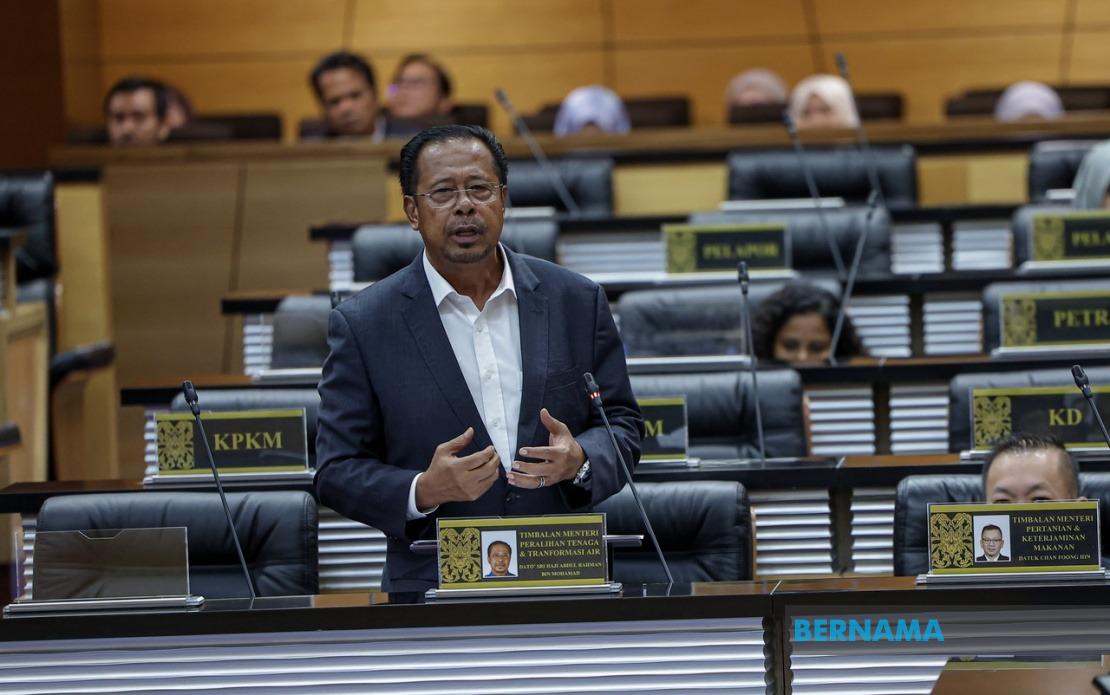
A major flood mitigation initiative targeting Sungai Skudai in Johor has moved into its planning phase, with government authorities projecting substantial benefits for surrounding communities once completed. The RM99.8 million Integrated River Basin Development project, funded under the 12th Malaysia Plan, is anticipated to serve approximately 15,000 residents while addressing flood vulnerabilities across a 50-hectare zone. Deputy Minister of Energy Transition and Water Transformation Datuk Seri Abdul Rahman Mohamad outlined the project's trajectory during parliamentary proceedings, signalling the government's commitment to water security in one of the nation's flood-prone regions.
The initiative currently sits in its pre-implementation phase, a critical stage involving meticulous site assessments, hydrological surveys, and administrative groundwork essential before heavy machinery arrives. A consulting firm was engaged in May 2025 to conduct detailed feasibility studies and prepare the project's conceptual blueprint. These preliminary investigations, which commenced in November 2025, are on track for completion by May 2027. Concurrently, the land acquisition process—initiated in June 2026—should conclude by August 2027, clearing a significant administrative hurdle that often delays major infrastructure ventures in Malaysia.
Once technical specifications are finalised, the government will proceed with competitive procurement and contractor selection, with construction mobilisation targeted for mid-2027. This timeline positions the project for a multi-year execution phase, though such schedules in Malaysian development projects frequently experience adjustments due to weather, regulatory changes, or unforeseen ground conditions. The Sungai Skudai basin, stretching 46 kilometres, will undergo substantial structural modifications including bank reinforcement and strategic widening to approximately 15 metres in select sections, substantially improving water conveyance capacity during high-flow periods.
Beyond flood mitigation, the initiative addresses multiple dimensions of river management that resonate with local communities. The enhanced drainage infrastructure and improved water flow management will reduce inundation in chronically flood-affected neighbourhoods, a persistent challenge for Johor residents particularly during monsoon seasons. The project also aims to rehabilitate the river ecosystem, which has degraded owing to rapid urbanisation and industrial development. For fishermen dependent on Sungai Skudai's resources, improved navigability and a revitalised aquatic environment represent economic opportunities that transcend simple flood protection.
The enhanced operational capabilities of maritime security and emergency management agencies constitute another dimension of the project's scope. Better river management and clearer waterways facilitate surveillance operations and emergency response protocols, addressing broader security and safety concerns beyond traditional flood defence. Deputy Minister Abdul Rahman acknowledged 50 identified flood hotspots along the river corridor, including five concentrated in the Kulai area, which will receive targeted intervention. Resolving these vulnerability zones could substantially compress overall flood risk profiles for the region.
Acknowledging delays inherent in major project development, the government is deploying interim measures to provide immediate relief to affected residents. Six smaller-scale initiatives worth approximately RM700,000 are proceeding in parallel, functioning as stopgap measures until the comprehensive main project achieves operational status. This pragmatic approach reflects understanding that flood protection cannot await completion of multi-year infrastructure programmes, particularly when communities face seasonal inundation threats annually. These interim projects likely target drainage improvements, localised embankment reinforcements, and early warning system enhancements.
The Sungai Skudai initiative sits within a broader Southeast Asian context of intensifying climate pressures and urbanisation challenges affecting river systems across the region. Malaysia's flood management strategy has evolved significantly over recent decades, shifting from reactive emergency response toward preventive infrastructure investment. The RM99.8 million outlay for Sungai Skudai reflects this modernised approach, though funding for comparable regional projects in neighbouring countries often substantially exceeds these allocations. For Malaysian policymakers and development specialists, the project methodology—integrating ecosystem restoration with flood defence—aligns with contemporary best practices in integrated water resource management.
Parallel to the Sungai Skudai initiative, the Ministry of Works advanced another significant transport infrastructure project affecting Johor. The RM174.53 million Phase Three upgrading of Pasir Gudang Highway (FT17) will proceed without requiring land acquisition from Keretapi Tanah Melayu Berhad (KTMB), averting potential implementation complications. Minister Datuk Seri Alexander Nanta Linggi clarified that railway proximity works will operate under work permits and right-of-way approvals negotiated directly with KTMB, a more streamlined approach than traditional land acquisition. Works scheduled between February 2027 and December 2028 will proceed through this permissions-based framework, potentially accelerating project delivery.
The coordination between the water authority's Sungai Skudai initiative and transport ministry activities demonstrates integrated government planning affecting Johor's infrastructure landscape. The simultaneous advancement of these projects indicates prioritisation of Johor's development trajectory, reflecting the state's demographic growth and economic significance. Both initiatives target mid-2027 commencement, suggesting resource allocation and contractor availability considerations across multiple government portfolios.
For Malaysian readers and regional observers, these projects illustrate contemporary challenges facing tropical developing economies managing rapid urbanisation alongside climate variability. Sungai Skudai's transformation from a degraded waterway into a managed, flood-resistant river system exemplifies the investment intensity required for sustainable urban development. The RM99.8 million commitment—substantial though it is—represents a calculated investment in risk reduction, asset protection, and livelihood enhancement for a significant population segment. Success will depend not only on technical execution but also on post-implementation maintenance, community engagement, and adaptive management as climate patterns continue evolving across Southeast Asia.

