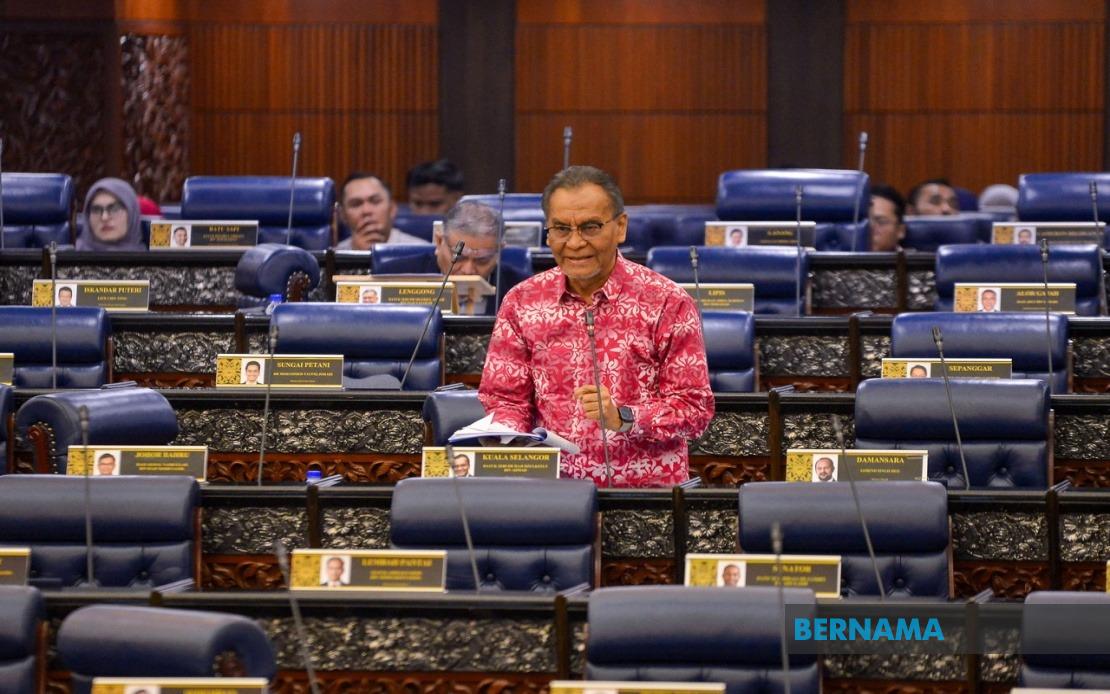
Malaysia's Health Minister Datuk Seri Dr Dzulkefly Ahmad has sought to allay public anxiety over a RM500 million expenditure restriction imposed on the Ministry of Health, describing the measure as a routine technical adjustment that poses no threat to the country's healthcare delivery. The clarification comes as the government navigates budget management during a fiscal consolidation period, with the minister providing reassurance during parliamentary proceedings that core medical services remain uncompromised.
The expenditure warrant, issued by the Finance Ministry on June 5, represents approximately 1.07 per cent of the MOH's annual allocation of nearly RM46.52 billion. Rather than cutting actual spending on healthcare delivery, the adjustment stems from budgetary provisions set aside for positions that have gone unfilled throughout the year. Dzulkefly explained that while the Public Service Department approved 18,641 positions for the MOH in 2024, the ministry found itself unable to recruit sufficient candidates to occupy all these vacancies, creating a surplus in the personnel budget line that could be redirected.
The minister's clarification addresses a critical distinction that had potentially alarmed healthcare stakeholders and the public. The restriction deliberately excludes funding designated for operational expenses, development projects, staff remuneration and benefits, training initiatives, and procurement of medical equipment and supplies. Instead, the RM500 million adjustment reflects a reallocation of resources through improved budgetary planning and a commitment to the efficient deployment of available funds across the health system.
Dzulkefly was responding to parliamentary questions from Datuk Shahelmey Yahya representing Putatan under the Barisan Nasional coalition and supplementary questions from Abdul Latiff Abdul Rahman of Kuala Krai under the Perikatan Nasional alignment. Both parliamentarians had raised concerns that fiscal adjustments could compromise healthcare provision, particularly in underserved rural communities where dependency on public facilities runs high. The minister's response directly contradicted suggestions that the adjustment would necessitate cutbacks to hospital services or impede health infrastructure development initiatives.
The clarification holds particular significance for Malaysia's healthcare landscape, where the public system serves as the primary health provider for millions of citizens and remains under constant pressure from rising patient volumes, an ageing population, and expanding disease burdens. Rural hospitals and clinics, which depend entirely on MOH funding and struggle with staff shortages even with approved positions unfilled, represented a specific concern for parliamentarians. The minister's assurance that basic services and health development projects would proceed uninterrupted addresses these structural vulnerabilities in the system.
Beyond defending the budget adjustment, Dzulkefly announced parallel initiatives aimed at controlling escalating costs within Malaysia's private healthcare sector. The Ministry of Health, collaborating through the Joint Committee on Private Healthcare Costs known as GBMKKS, plans to introduce a fundamental health protection scheme designated as Base Medical and Health Insurance or Takaful (MHIT). Initial deployment at selected hospitals is scheduled for this month, with comprehensive nationwide rollout anticipated in January 2027. This insurance model seeks to provide essential coverage that balances affordability with meaningful consumer protection against catastrophic healthcare expenses.
The MHIT initiative responds to a persistent challenge confronting Malaysian healthcare consumers: the rising burden of private healthcare costs and the escalating premiums charged by commercial health insurance providers. As more Malaysians seek treatment in private facilities due to perceived advantages in waiting times and facility amenities, uncontrolled costs threaten financial security for middle and lower-income households. The government's intervention through a standardised basic protection plan represents an attempt to create a regulated option that discourages cost inflation while ensuring access to fundamental treatments.
Complementing the insurance initiative, the MOH is implementing a Diagnosis Related Groups payment system intended to standardise hospital charges and payment methodologies across the entire Malaysian healthcare landscape. This system will encompass public sector hospitals, private institutions, university teaching hospitals, and military medical facilities, creating a unified benchmarking framework that enhances pricing transparency and facilitates meaningful cost comparisons. By establishing consistent charging standards nationally, the DRG system aims to prevent exploitative pricing practices while promoting operational efficiency across diverse hospital operators.
These concurrent announcements suggest the government is pursuing a multifaceted strategy to strengthen healthcare sustainability: managing public sector finances through disciplined budgeting, stabilising private sector costs through regulatory frameworks, and expanding consumer protection through affordable insurance mechanisms. For Malaysian patients and healthcare consumers, the initiatives signal official recognition that the current trajectory of healthcare expenditure, particularly in the private sector, is unsustainable and requires coordinated intervention across multiple policy levers.
The RM500 million budget adjustment, viewed within this broader policy context, emerges as part of prudent fiscal administration rather than a constraint on healthcare capacity. The government's willingness to detail the nature of the restriction and emphasise its technical character suggests awareness that public confidence in healthcare funding requires transparency and specific reassurance. Whether the MHIT scheme and DRG payment system prove effective in controlling costs while maintaining quality will likely determine public and professional satisfaction with these emerging health policy directions.

