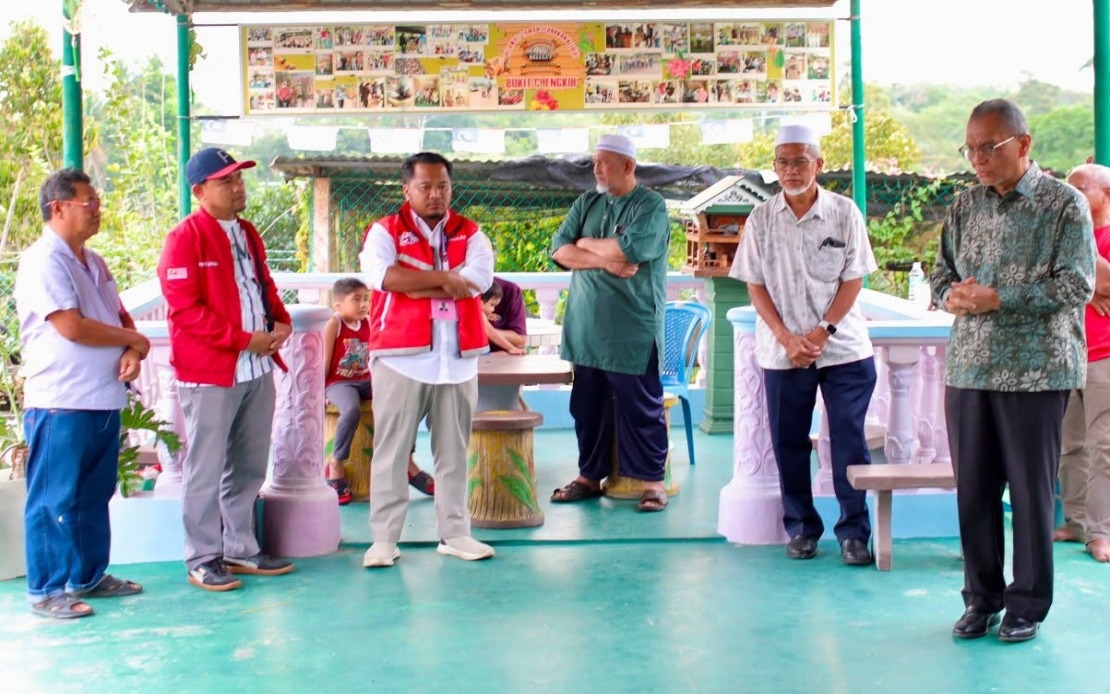
The Pakatan Harapan administration is directing substantial resources toward overhauling Negeri Sembilan's healthcare infrastructure, with RM328 million committed to implementing 24 development and upgrading initiatives designed to broaden public access to quality medical services across the state. The investment represents a significant portion of the government's broader commitment to modernising healthcare delivery in one of Malaysia's smaller states, where rural healthcare access remains a persistent challenge for many communities.
Health Minister and Amanah vice-president Datuk Seri Dr Dzulkefly Ahmad outlined the government's strategic approach to addressing gaps in the state's medical facilities. Beyond the primary RM328 million allocation, authorities have earmarked an additional RM26.6 million specifically through the Bitara MADANI initiative to restore and upgrade 88 dilapidated clinics and healthcare facilities scattered throughout Negeri Sembilan's districts. This dual-track approach suggests recognition that infrastructure renewal requires both major capital projects and systematic restoration of primary healthcare touchpoints that serve rural populations.
In remarks shared on social media, Dzulkefly framed the healthcare investments as evidence of the PH government's commitment to distributing economic gains beyond elite circles. The minister emphasised that tangible welfare improvements through facility upgrades and service enhancements distinguish the current administration's governance model from predecessors who relied primarily on campaign promises without substantive delivery. This rhetorical positioning reflects broader PH messaging that contrasts competent execution with populist rhetoric, particularly relevant as Negeri Sembilan prepares for state elections.
The state's fiscal trajectory provides the financial foundation for these healthcare commitments. Investment into Negeri Sembilan has expanded dramatically to RM19 billion under PH stewardship, representing a 6.6-fold increase and signalling growing private sector confidence in the state's economic climate. This expansion demonstrates how healthcare investments exist within a larger framework of state economic development, where improved infrastructure attracts talent and businesses while simultaneously serving resident welfare needs.
Financial management has directly enabled healthcare spending levels. Under Menteri Besar Datuk Seri Aminuddin Harun's administration, Negeri Sembilan has accumulated a revenue surplus of RM203 million—a figure approximately 1,450 times larger than surpluses recorded during the previous administration. This fiscal performance reflects improved tax collection, reduced wastage, and prudent expenditure controls that have freed resources for strategic investments like healthcare upgrading. The stark comparison underscores how governance efficiency translates into capacity for welfare spending.
For Malaysian healthcare observers, Negeri Sembilan's experience offers insights into how state-level authorities can leverage improved financial discipline to address infrastructure deficits. Many Malaysian states struggle with aging facilities, inadequate equipment, and insufficient primary care capacity. The coordinated approach combining major project implementation with systematic clinic renovation provides a replicable model for other state governments seeking to modernise their health sectors within constrained budgets.
The timing of these announcements carries electoral significance. Malaysia's 16th Negeri Sembilan state election will see 859,760 registered voters, including 7,391 postal voters, determine representatives for 36 state constituencies. The infrastructure investments serve dual purposes: addressing genuine healthcare gaps while simultaneously providing PH with tangible accomplishments to present voters. This convergence of policy substance and political messaging is standard in Malaysian electoral cycles, yet the scale of healthcare commitment suggests genuine priority rather than purely opportunistic spending.
Competitive dynamics in the election shape how these investments are positioned. Pakatan Harapan contests all 36 seats, facing challenges from Barisan Nasional's 25 candidates, Parti Pribumi Bersatu Malaysia's 24 candidates, and Perikatan Nasional's 11 candidates. Four independent hopefuls round out the field, while smaller parties including Berjasa, ASLI, and PSM each field single candidates. This fragmented opposition potentially advantages PH if healthcare improvements resonate with voters prioritising service delivery over partisan identity.
The healthcare investment strategy addresses substantive concerns in Negeri Sembilan's medical landscape. Rural areas particularly benefit from clinic restoration programs, as primary care facilities serve as critical entry points for patients with limited transportation access to district hospitals. The RM26.6 million clinic refurbishment initiative directly targets these accessibility challenges, potentially reducing unnecessary hospital referrals and improving preventive health outcomes in underserved communities.
State-level healthcare improvements also reflect Malaysia's broader federal-state healthcare architecture. While the federal government controls major teaching hospitals and disease surveillance systems, state authorities bear substantial responsibility for primary care infrastructure and specialist hospital operations. Negeri Sembilan's commitment to healthcare modernisation demonstrates how state administrations can meaningfully improve health service delivery within their constitutional purview, independent of federal policy directions.
Looking beyond immediate electoral considerations, these healthcare investments carry implications for Negeri Sembilan's medium-term development trajectory. Modern healthcare facilities attract healthcare workers, support medical tourism potential, and enable early disease detection that reduces long-term treatment costs. For a state competing with Selangor and Kuala Lumpur for economic attention, healthcare infrastructure serves as both welfare provision and competitive advantage in regional economic development.
The government's emphasis on transparent governance and people-centred administration through healthcare delivery reflects evolving Malaysian political expectations. Voters increasingly evaluate governments based on tangible service improvements rather than rhetorical promises alone. Negeri Sembilan's healthcare initiative exemplifies how state administrations seeking re-election must demonstrate concrete accomplishments in healthcare, education, and infrastructure if they expect to retain voter confidence in competitive electoral environments.
Sustaining this investment momentum remains critical to the long-term healthcare strategy Dzulkefly articulated. Infrastructure improvements represent initial steps; ensuring adequate staffing, maintenance funding, and operational capacity requires consistent commitment extending beyond election cycles. Whether Negeri Sembilan can maintain healthcare investment priorities after electoral contests conclude will determine whether these initiatives represent transformative healthcare modernisation or primarily serve as election-period policy announcements.

